From July 7, 1937- September 2, 1945, China was at war with Japan. After the Pearl harbor attack in 1941, the conflicts, also known in Asia as the Second Sino-Japanese War, would merge into WWII. Overall, China suffered more than 1.3 million military casualties, and an astounding 10-20 million civilian deaths due to bombings and massacres over those 8 years.
To commemorate the 70th anniversary since the end of WWII and the allied Victory over Japan, China announced a new national holiday. It was celebrated on September 3rd with a military parade led by Presdent Xi through the streets of Beijing. In efforts to boost national pride and showcase China’s military presence, the parade was broadcast as a loop on national television and consisted of perfectly poised military personnel, tanks trailing large warheads, Second Sino-Japanese War veterans, proud citizen-lined streets, and pristine “parade blue” skies.
Taking advantage of the long weekend with a trip to Xi’an sounded like a great idea…
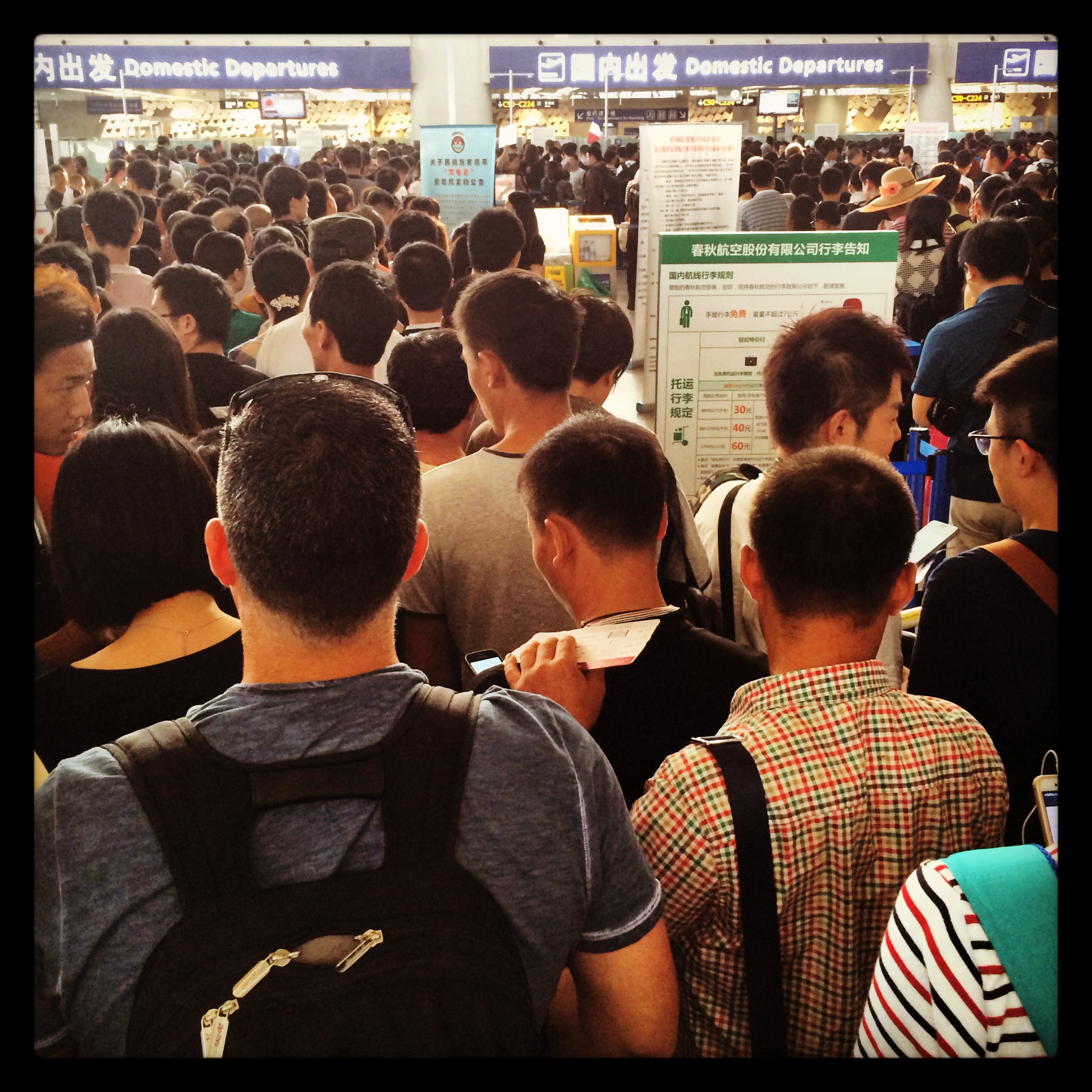
…until we arrived at the airport where we were literally herded like cattle. Rén shān rén hǎi!
Xi’an : 西安 : “Western Peace”
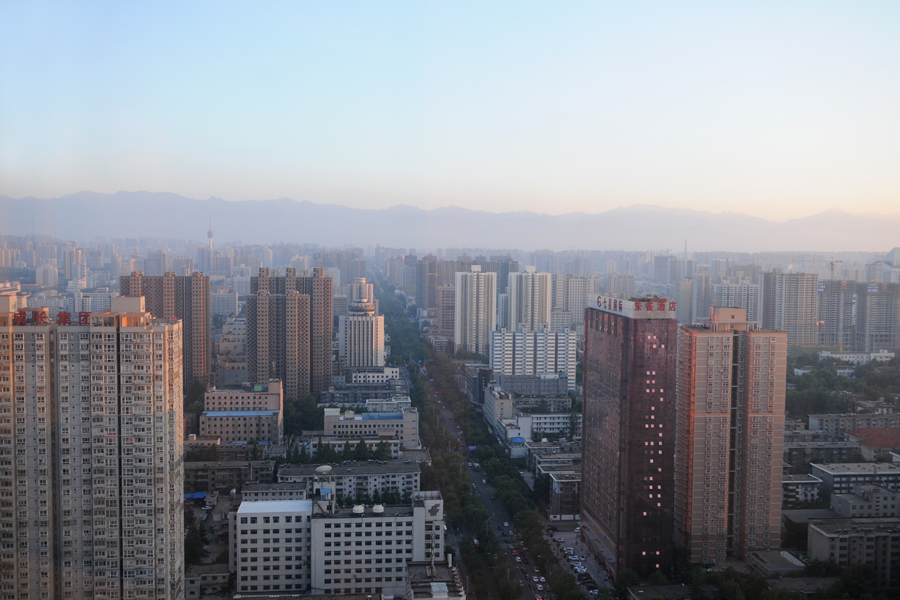
Looking south towards the Qin mountains.
One of the oldest cities in China, Xi’an is the oldest of the Four Great Ancient Capitals of China as well as the starting point of the Silk Road. During WWII, the city of Xi’an became a destination for Chinese refugees fleeing Japanese invasion. Today, Xi’an is the capital of the northwestern Shaanxi province with a population of more than 8 million people. The emerging mega-city serves as a major cultural, industrial, and educational center within China.
But let’s start from the beginning….
Banpo Village: 5000BC
In 1953, the well-organized neolithic Banpo Village was discovered. The archaeological site, dating to 4800BC, is the most complete example of an agricultural neolithic village. It has also given archaeologists insight into a matriarchal society with women as the head of the family and no permanent partnership between male and female. Each can have as many partners as they want, therefore creating a society where children can only recognize their mothers and are unable to identify their fathers.
The Banpo Museum contains a large settlement surrounded by a moat, communal burial areas, pottery, tools, and 46 foundations where mud and wood were used to build circular houses with thatched roofs.
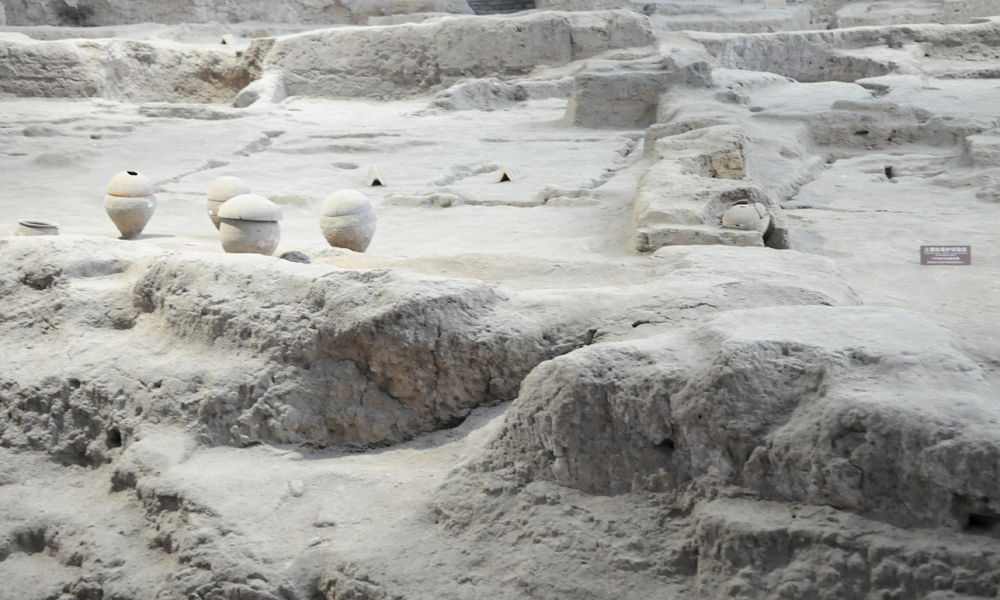
Banpo settlement with pottery
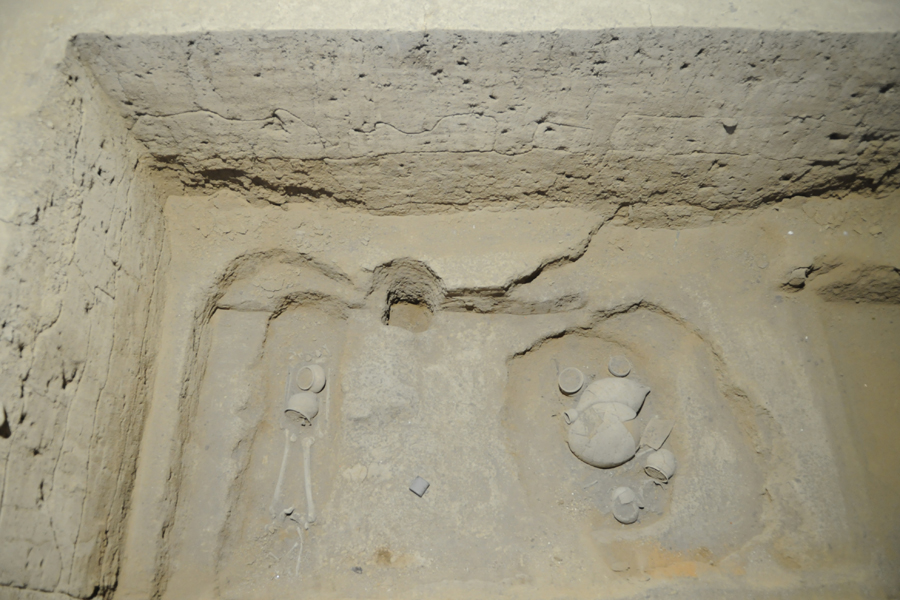
Banpo tomb with grave-goods.
Terracotta Army and Horses : 211-206 BC : Qin Dynasty
The 1974 discovery of the Terracotta Army is one of the most significant archaeological excavations of the 20th century. Created for China’s first emperor, Qin Shi Huang, an army consisting of more than 8,000 pottery soldiers, 520 horses, and 130 chariots stand guarding Emperor Qin’s mausoleum for the purpose of protection in his afterlife. Work on creating the mausoleum began shortly after Emperor Qin ascended the throne in 246 BC at the age of 13. It took 11 years to complete and is estimated to have required 700,000 workers.
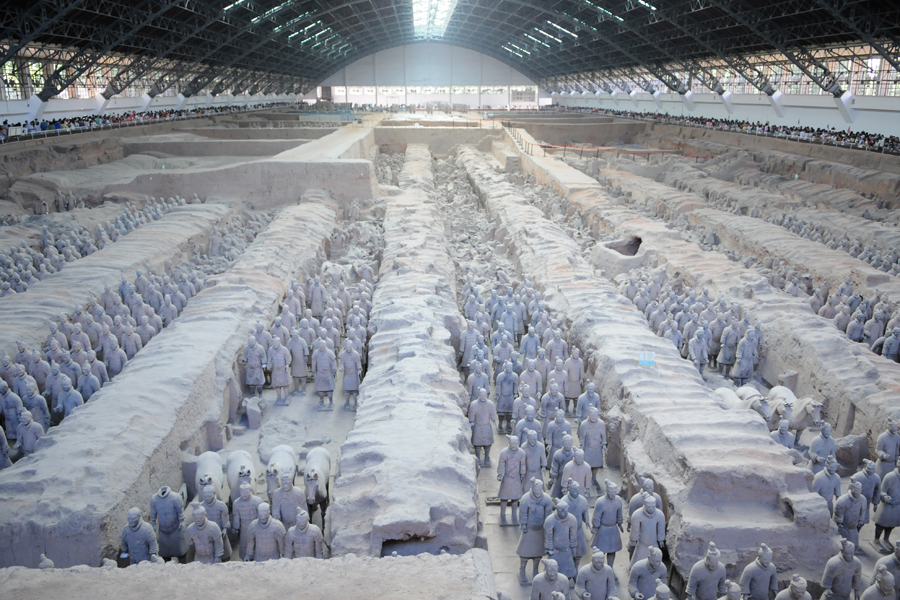
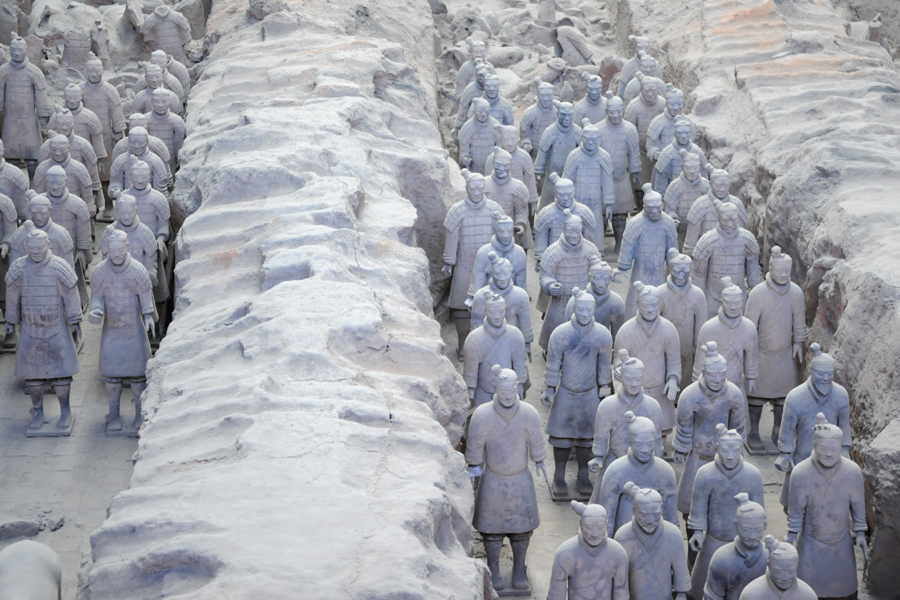
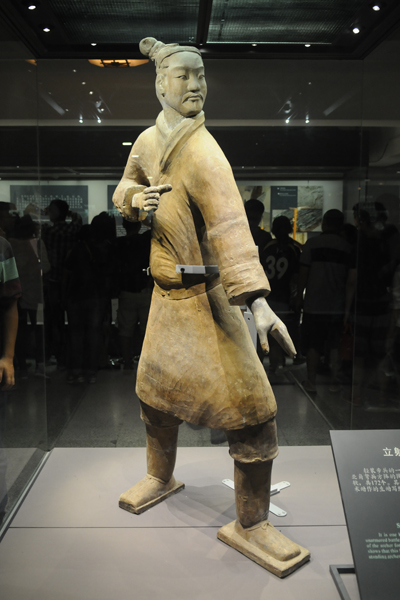
Each life-size statue was created with unique facial and clothing details.
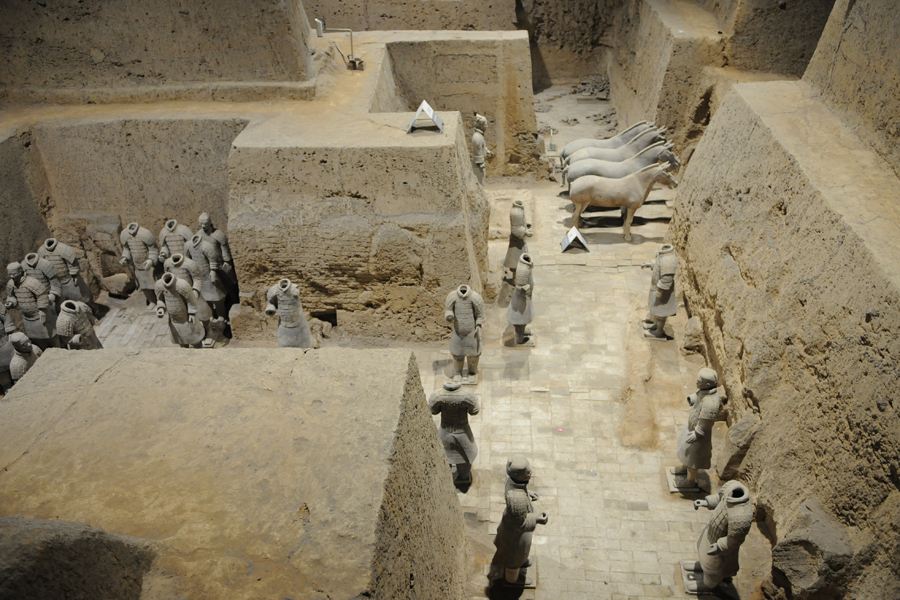
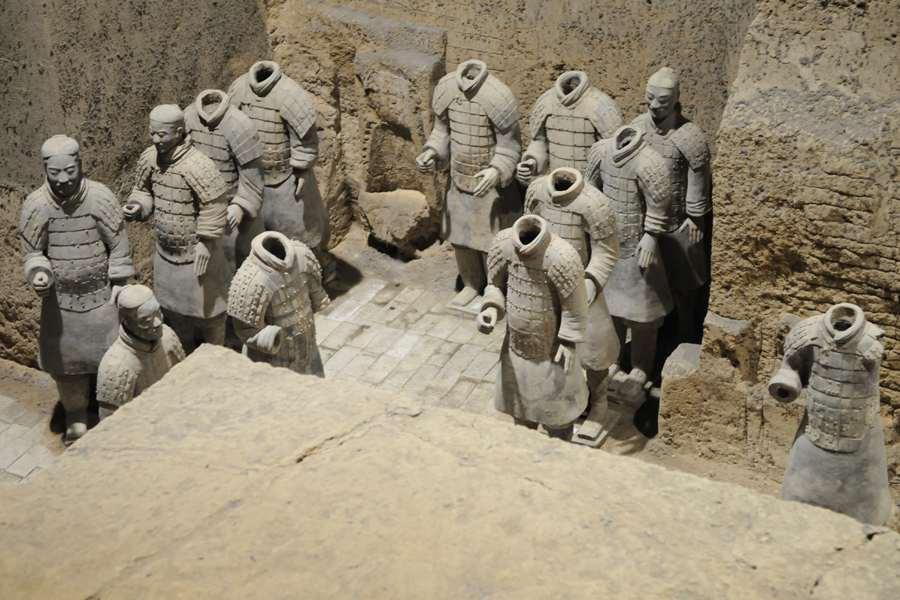
The heads, arms, legs, and torsos were all created seperately using moulds and later assembled with details added after.
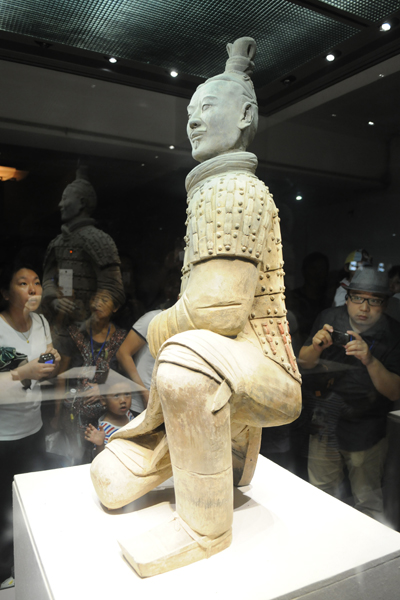
Originally, each figure was painted with bright pigments. Unfortunately, the colors quickly faded upon excavation. (Note the hint of red still present on back of this archer.)
Xi’an City Walls : (original walls) 619 AD- (existing walls) 1370 AD : Tang and Ming Dynasty
Since the 11th century BC, Xi’an has played a key role in China’s cultural and political history. Emperors from the Zhou, Qin, Han. Sui, Tang, and Ming dynasties ruled from what is today considered the city of Xi’an. Originally built during the Tang Dynasty in 619 AD, the city walls were enlarged by Emperor Zhu Yuanzhang in 1368 during the Ming Dynasty.
Today, the Xi’an City Walls encompass 14 square kilometers of the old city and is considered to be the most complete and well-preserved city wall within China, as well as one of the largest ancient military defense systems in the world.
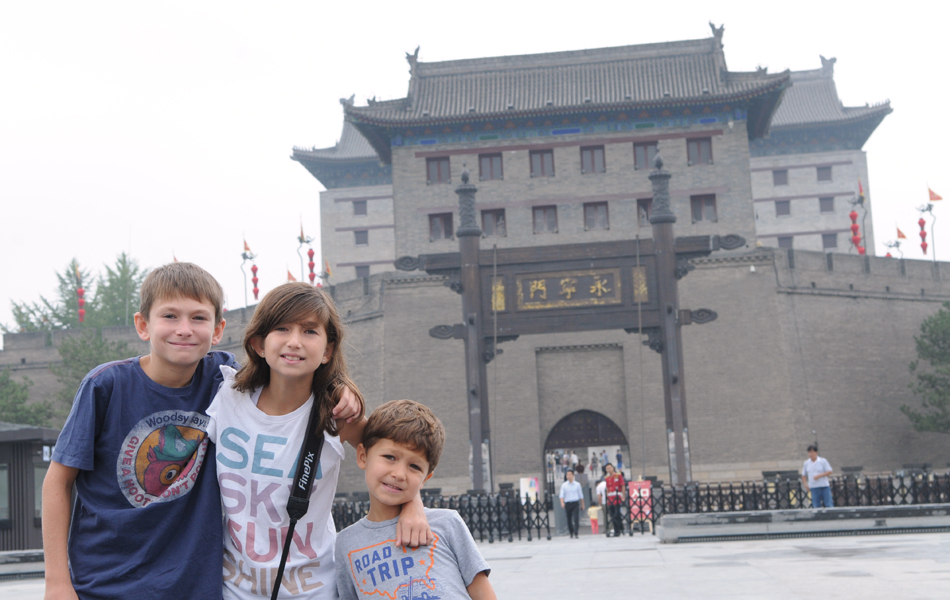
Entering the city walls at the south gate’s drawbridge over the moat.
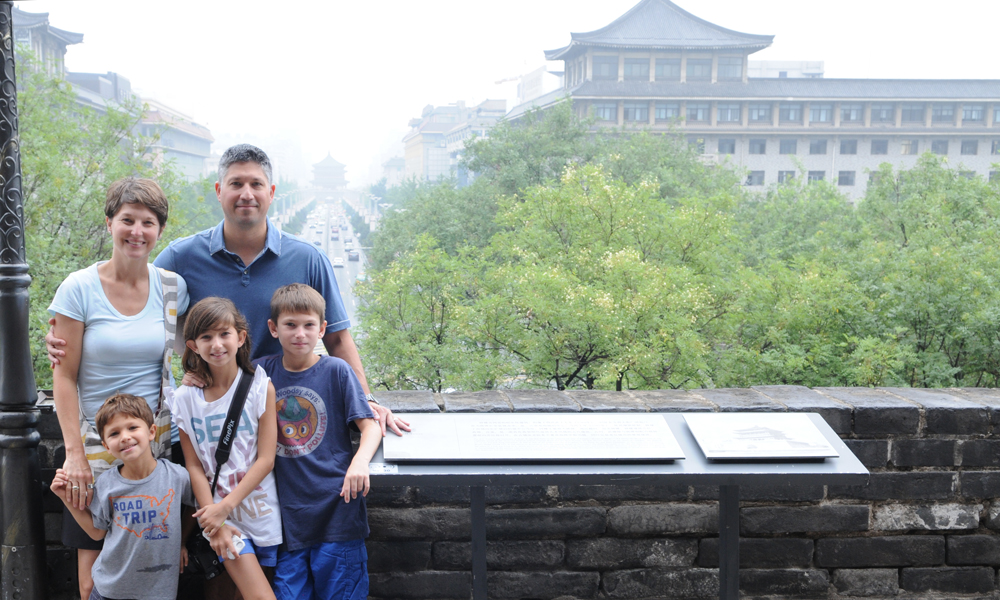
Overlooking the inner city from atop the city walls.
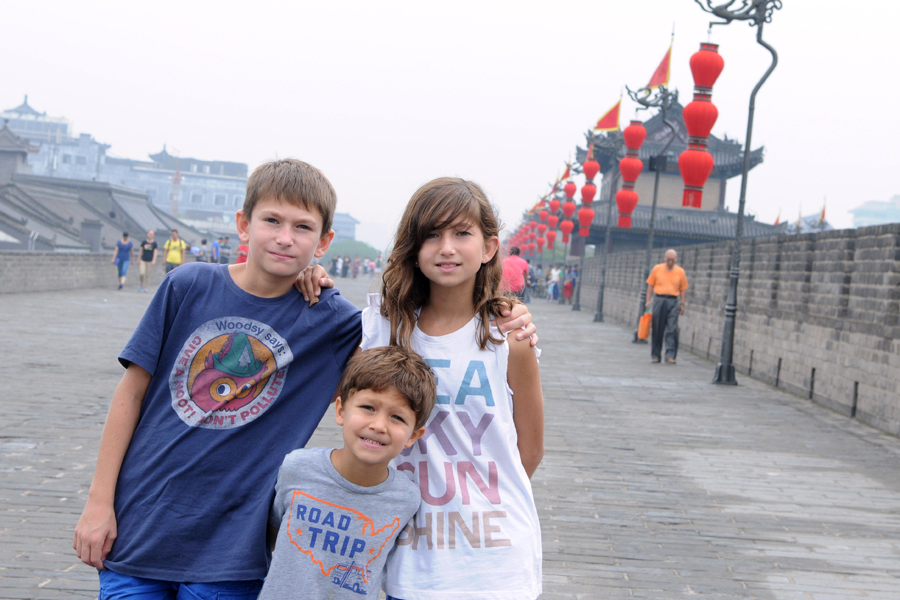
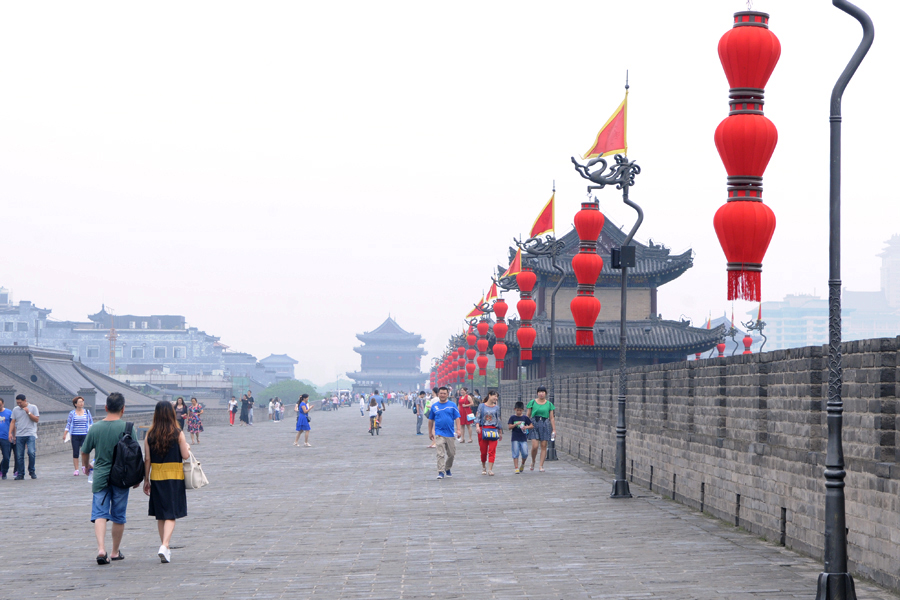
Can you spy John and Kate biking on the city wall? (center of image)
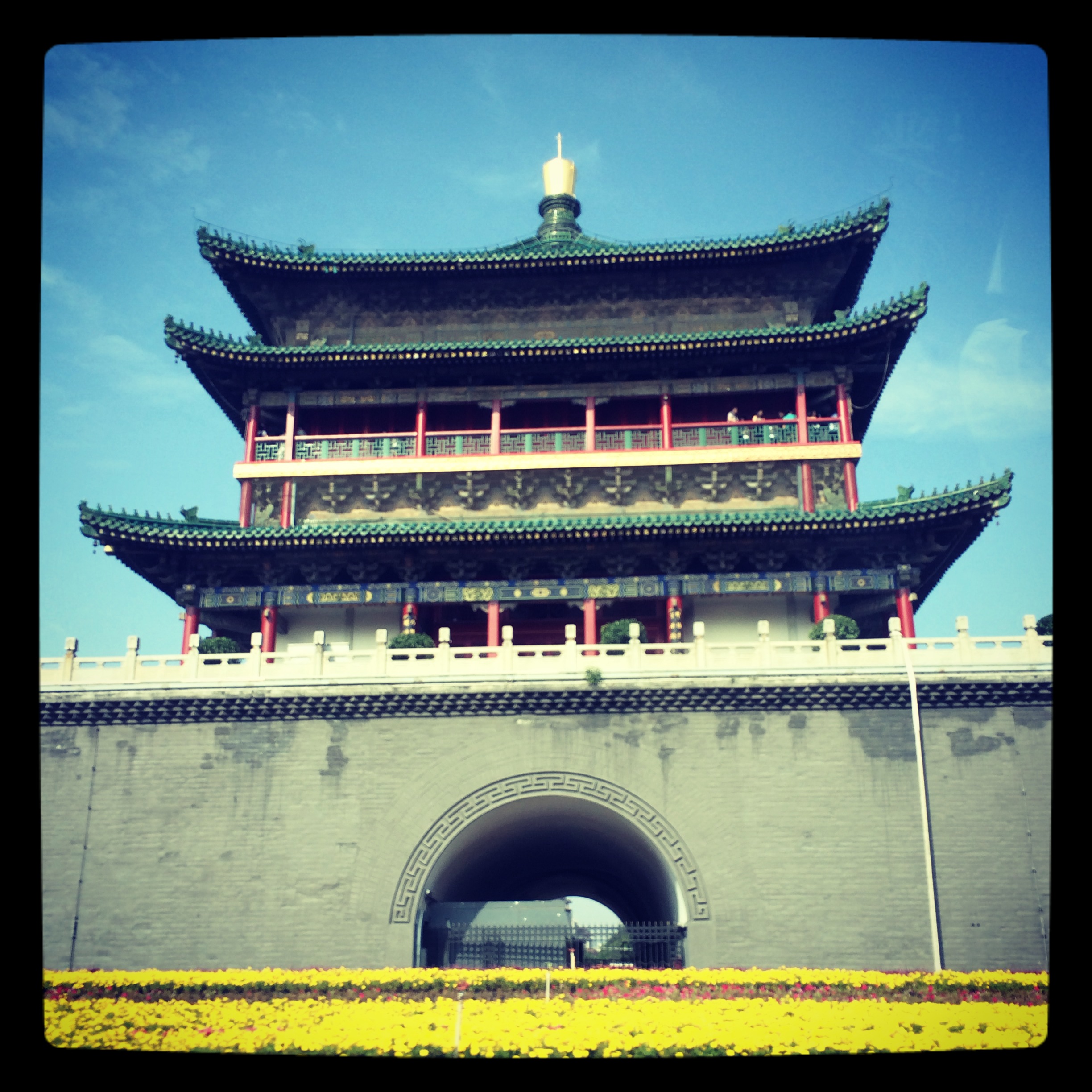
Bell tower located in the center of the inner city. Built in 1384 AD
Great Mosque and Muslim Quarter : 742 AD : Tang Dynasty
Not only did the Silk Road provide access to western imports, it also provided a source for western religion being introduced to China. Most notably, Buddhism in the 1st century BC, and Islam in the 7th century AD. Today in Xi’an, both religions are still prevalent alongside the more traditional Chinese religion and Taoism.
Known as the hub for Xi’an’s Muslim community, the Muslim Quarter houses one of the oldest, largest, and best preserved Islamic mosques in China. Built in 742 AD, the Great Mosque still serves as a place of worship.
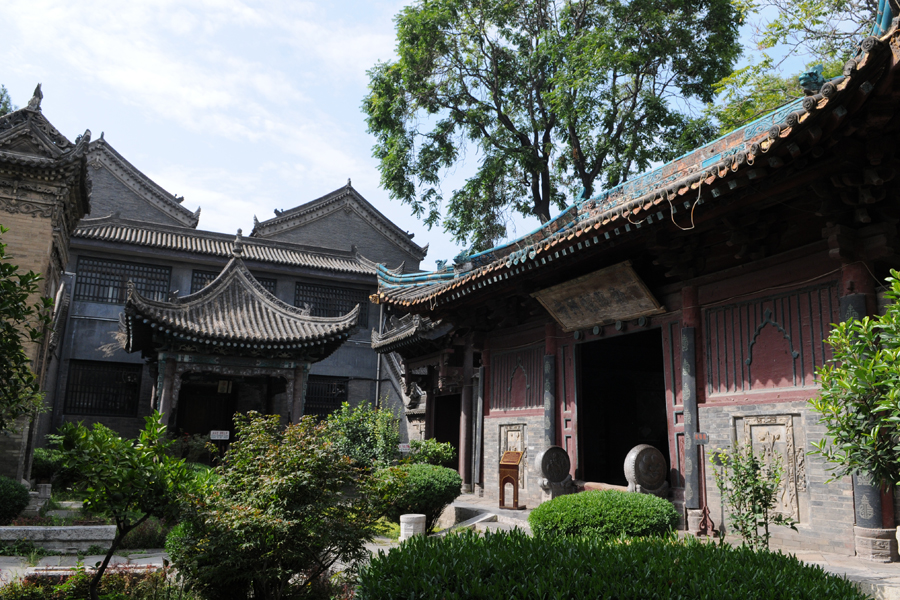
Inside the Great Mosque courtyard.
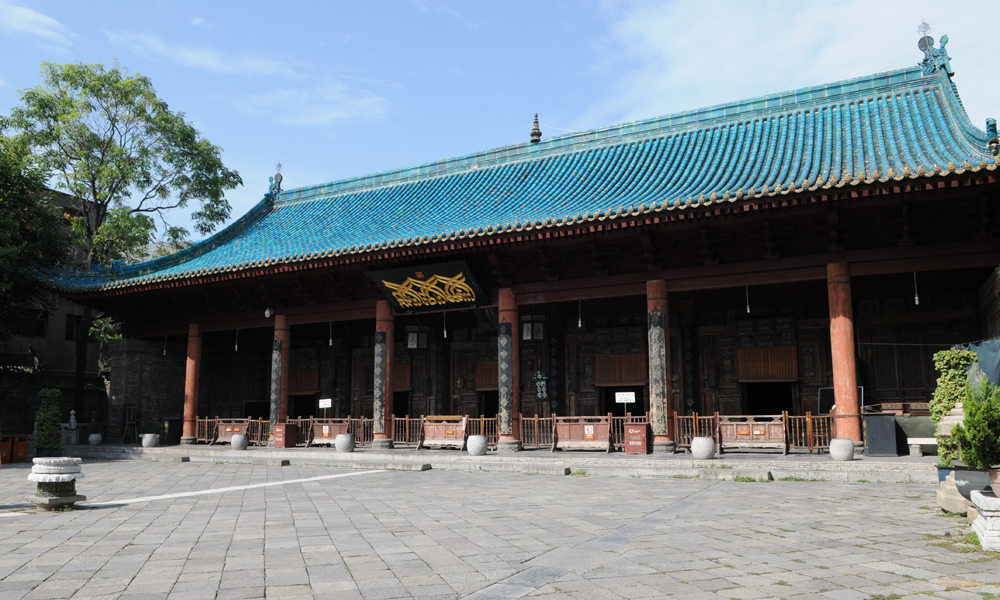
Great Mosque Prayer Hall
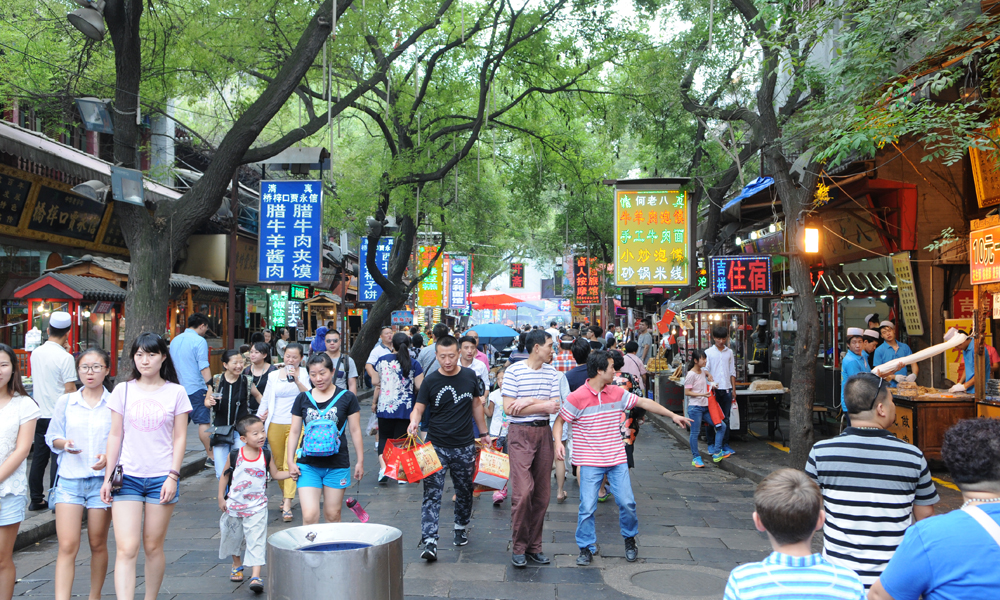
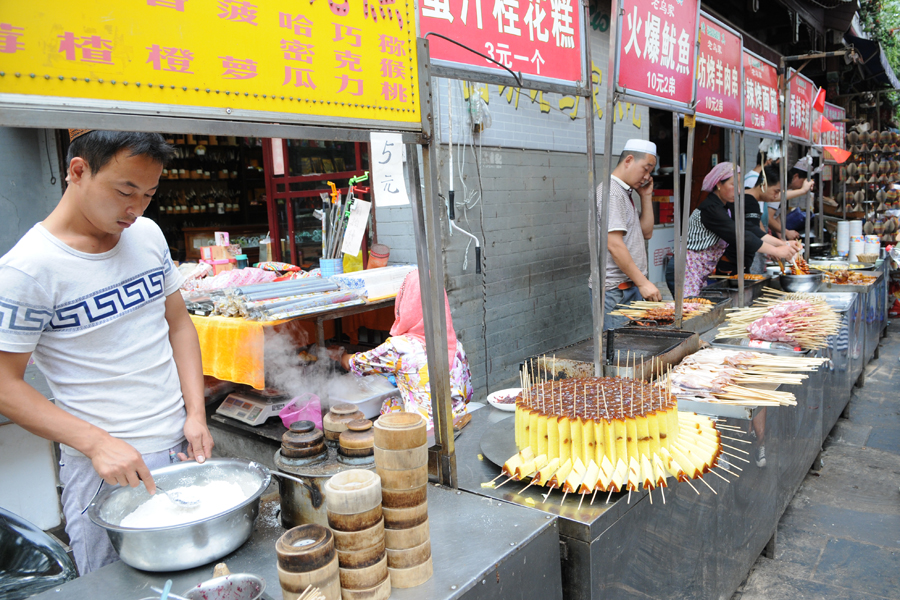
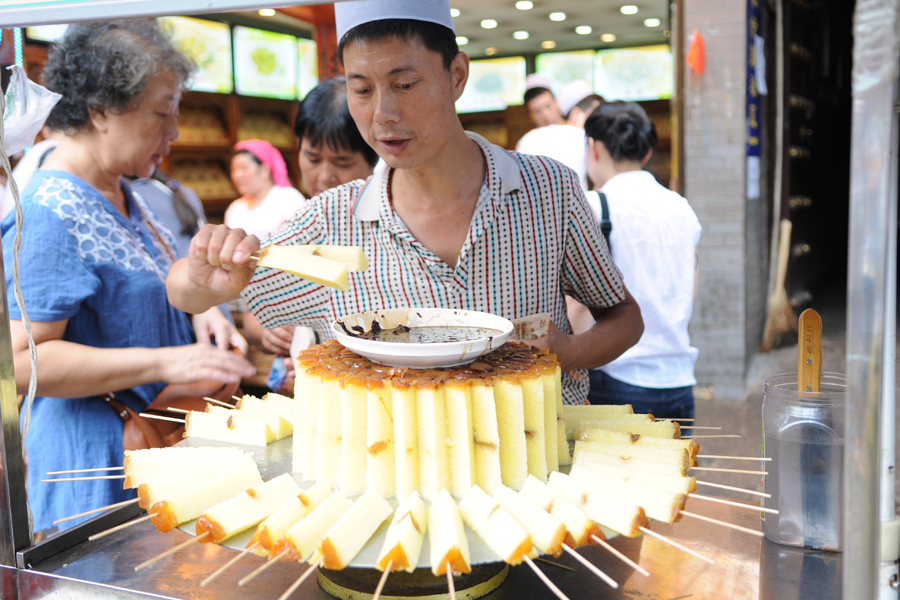
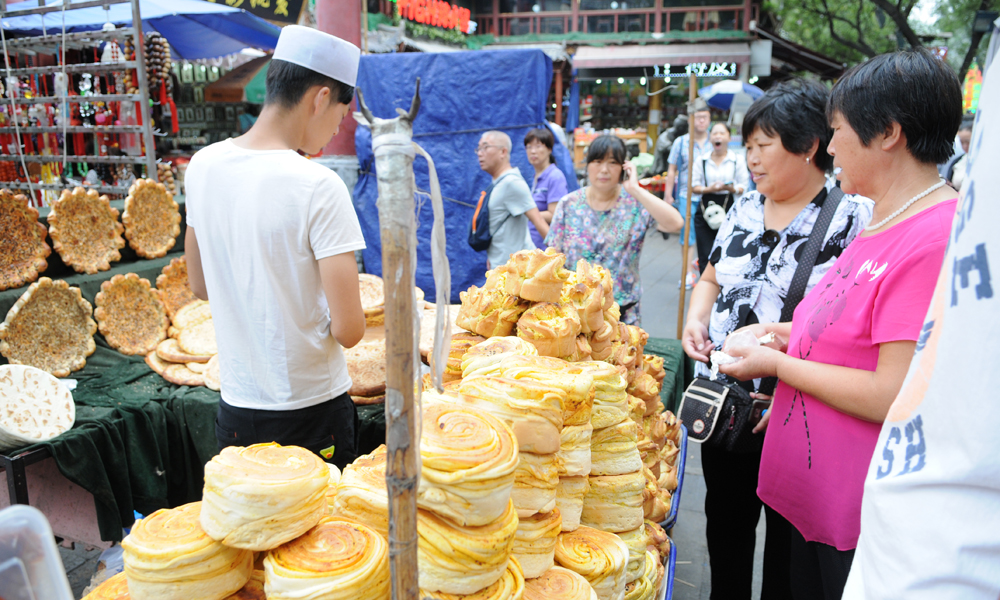
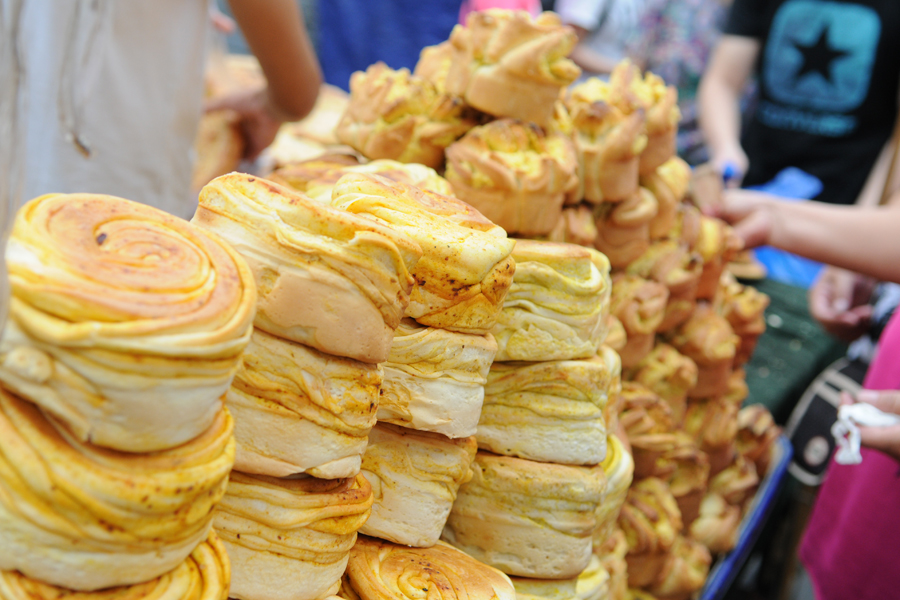
Beiyuanmen Muslim Street is known for it’s authentic Muslim street food vendors.
Tang Dynasty Dinner Show: 618-907 AD
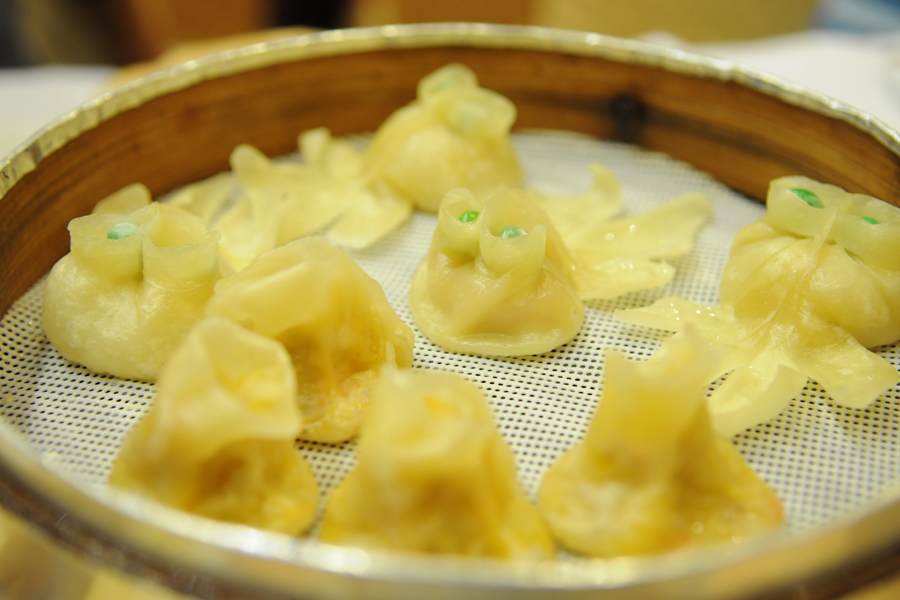
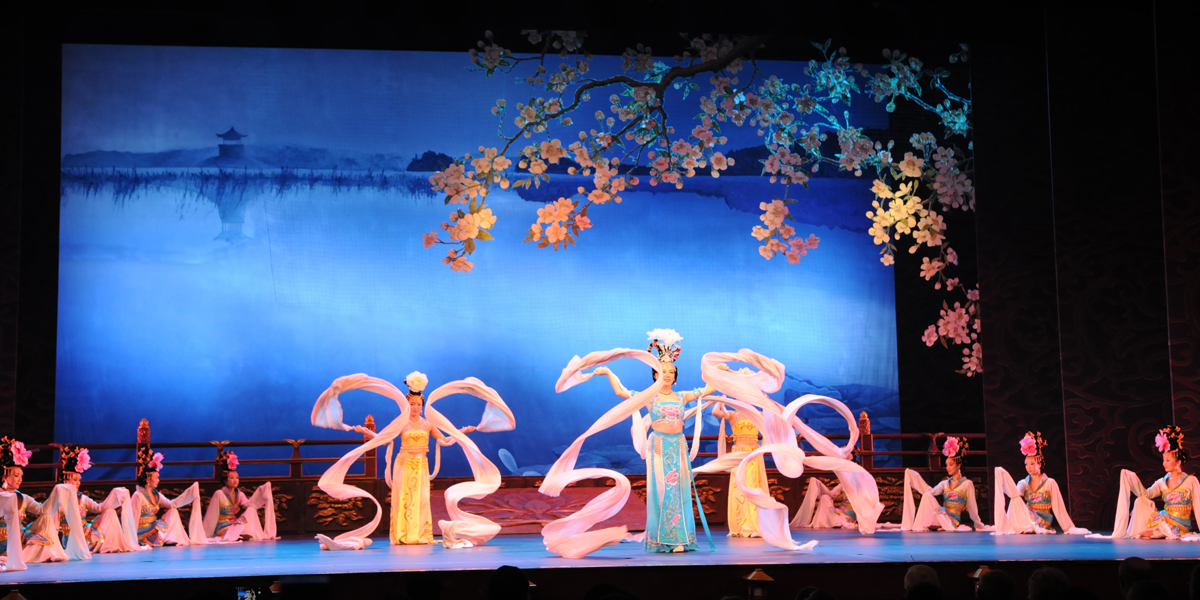
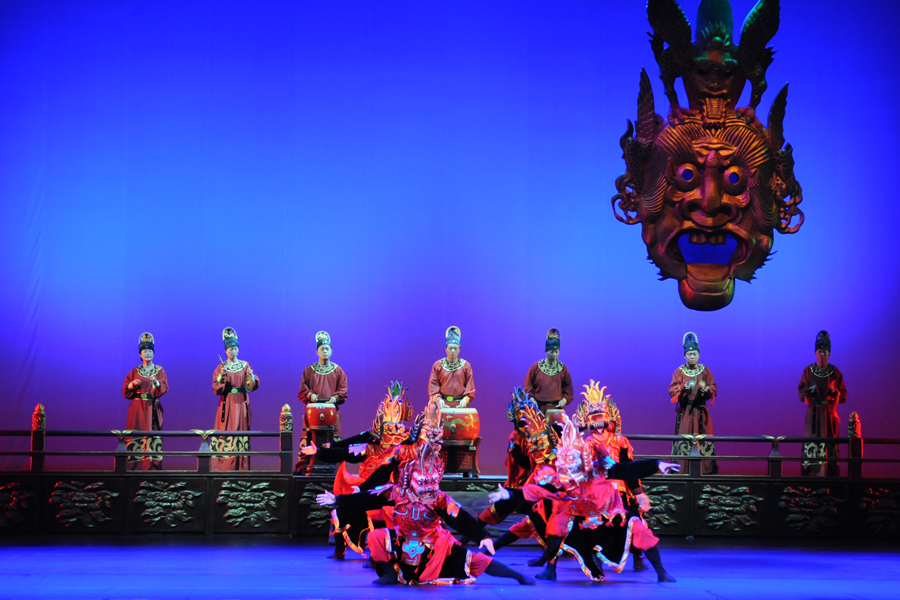
After walking through the history of Xi’an, we ended our trip with a Tang Dynasty Show and Dumpling Dinner. Recognized as one of the most prosperous dynasties in Chinese history, the Tang Dynasty was instrumental in the development of Chinese music and dance. The Shaanxi province is known for the delicious homemade dumplings. YUM!


 ourshanghaidays