Taking advantage of a long weekend, we headed to Osaka, Japan. With a population of 2.5 million people, Osaka is the third largest city in Japan and contains a rich history including serving as Japan’s first capital, formerly known as Naniwa. The city suffered major destruction after US bombers attacked in 1945 and has since re-established itself as an economic powerhouse for the Kansai region.
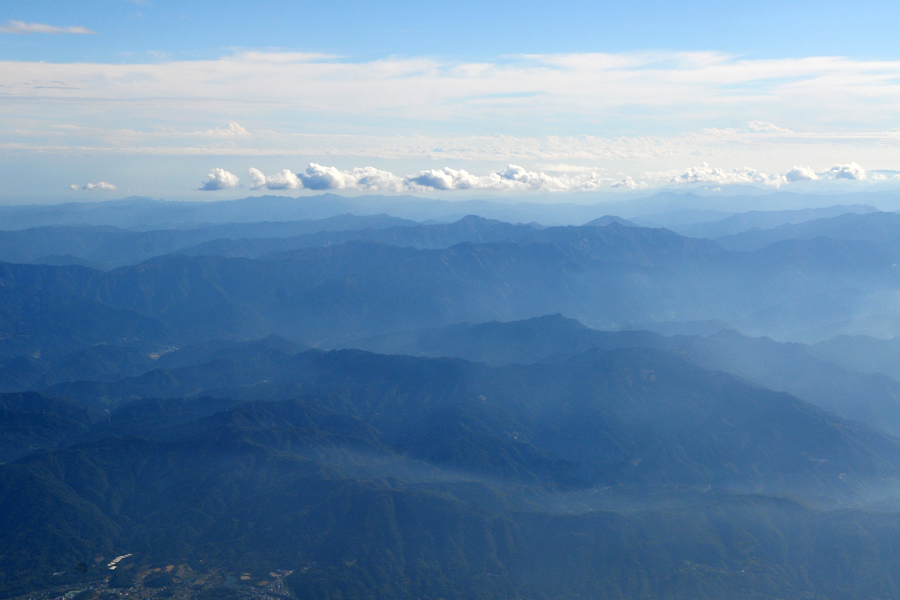
Just beautiful… in every direction.
With only 70 hours to embrace this beautiful culture and landscape, Osaka served as our central location from which we could access various destinations via bullet train. Once we set foot on Japanese soil, our pace quickened, only slowing enough to try and soak in all the beauty.
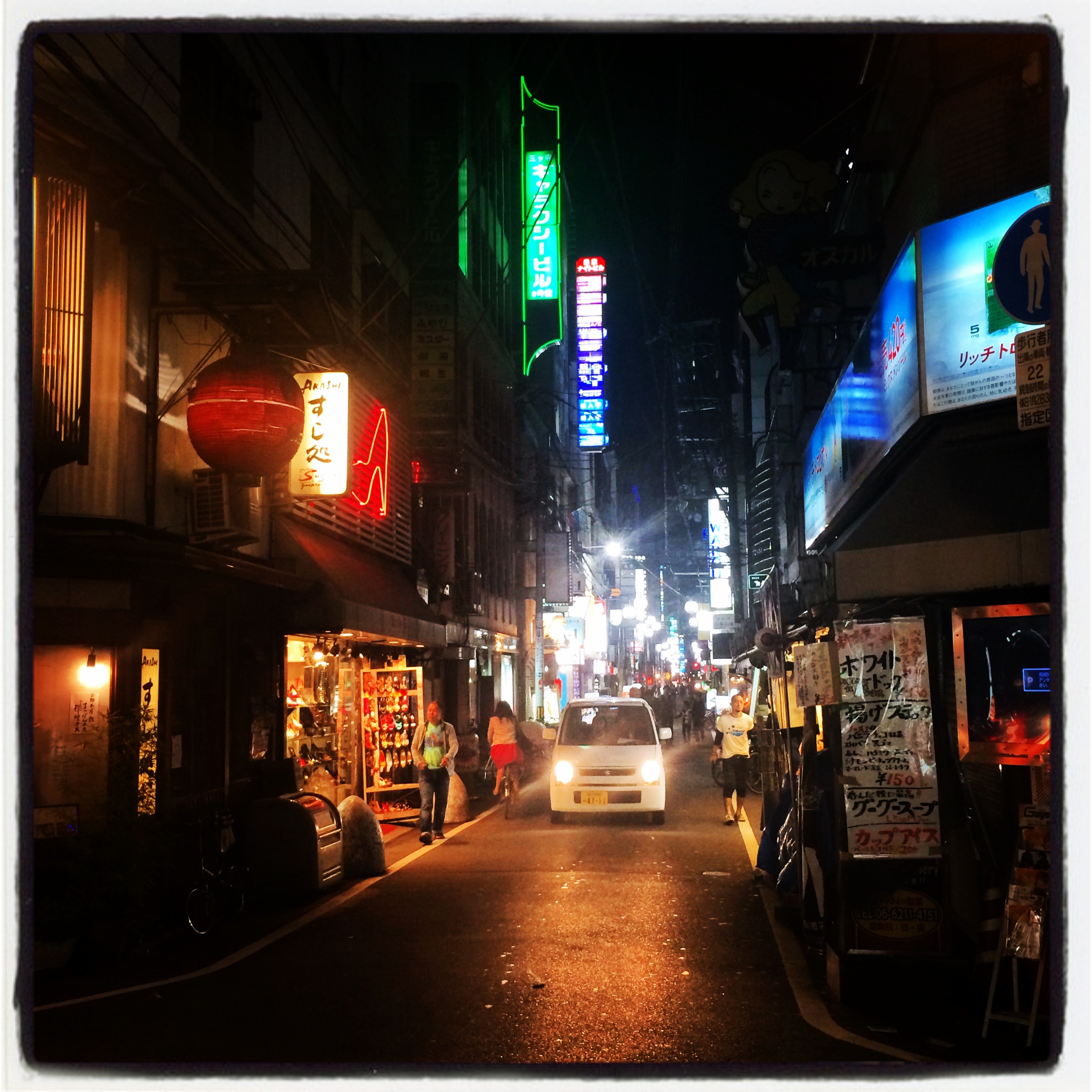
Narrow lanes in the Namba district.
And to eat. We slowed down enough to eat. A lot.
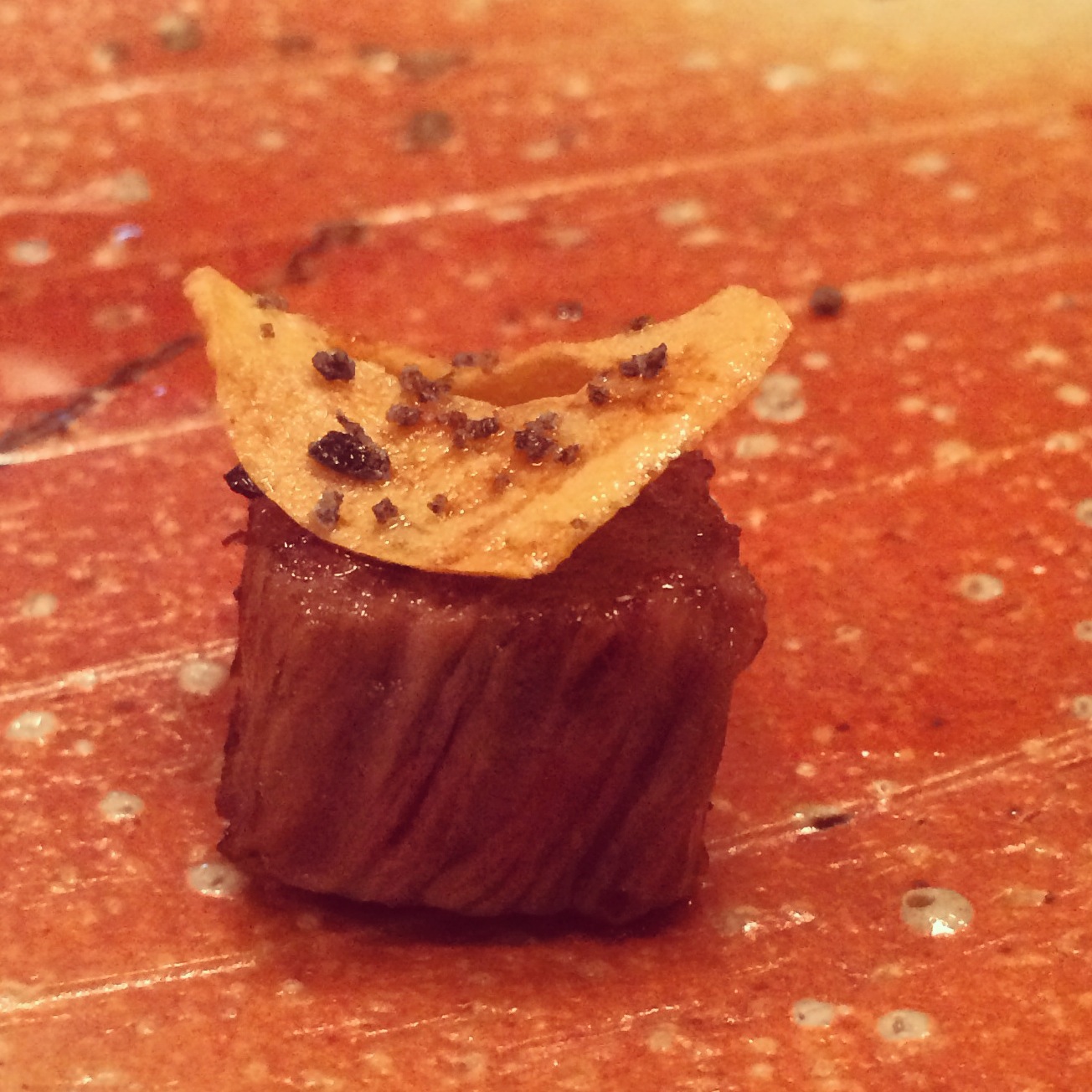
Kobe, Japan is a 15 minute train ride from Osaka. Therefore, Kobe beef.
Next up, Kyoto:
Our first destination was Kyoto. This beautiful city also served as Japan’s capital for over a thousand years and has also been destroyed by numerous fires and wars throughout the years. But due to it’s historic importance, the city was spared from WWII air raids, and more importantly, dropped from the list of atomic bomb targets. Thus, 1,600 temples, 400 shrines, and countless other historically important structures still dot Kyoto’s surrounding mountainous terrain making it one of Japan’s best preserved cities today.

Overlooking Kyoto from Kiyomizu-dera, an ancient Buddhist temple.
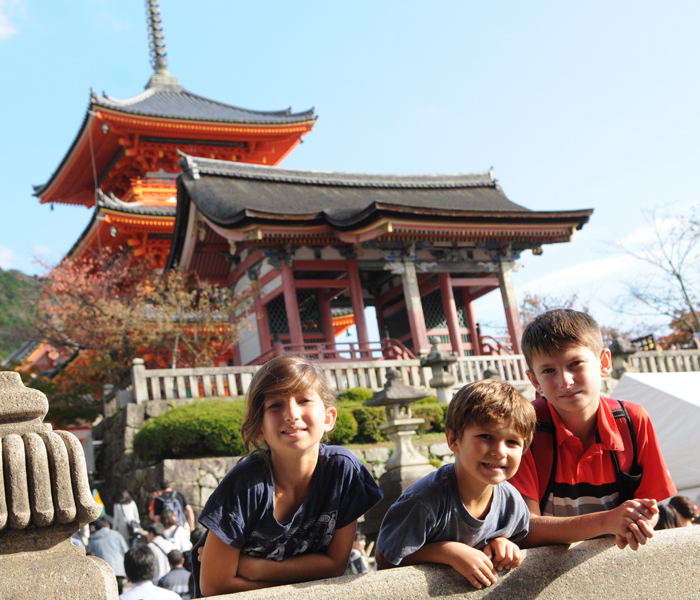
In front of the Kiyomizu-dera Pagoda.
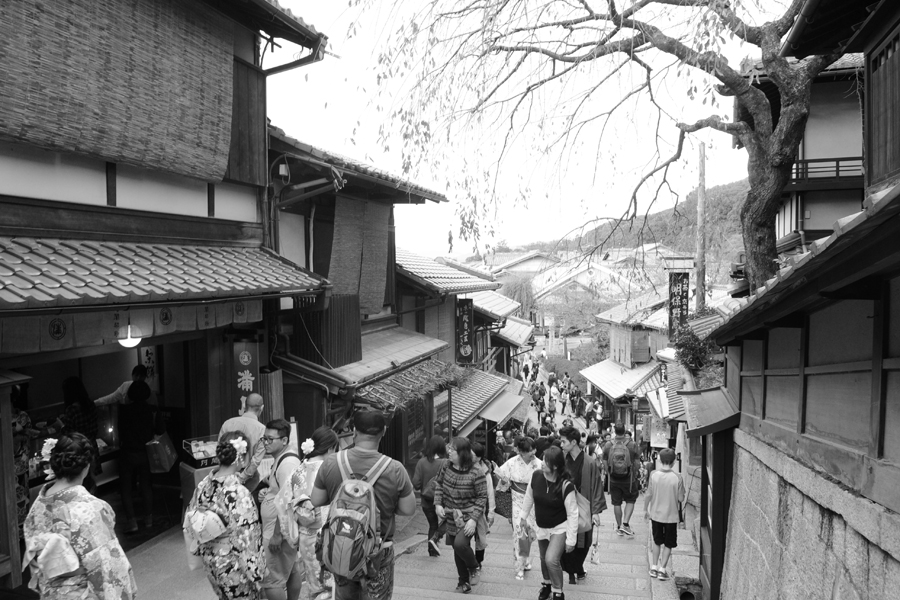
Descending the mountain through Higashiyama, a well preserved historic district around Kiyomizu-dera.
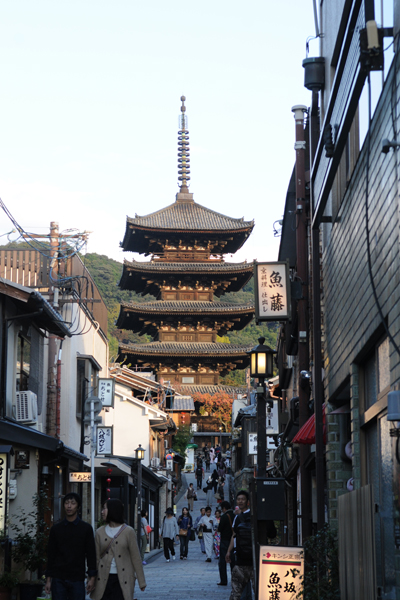
Yasaka Pagoda in Higashiyama.
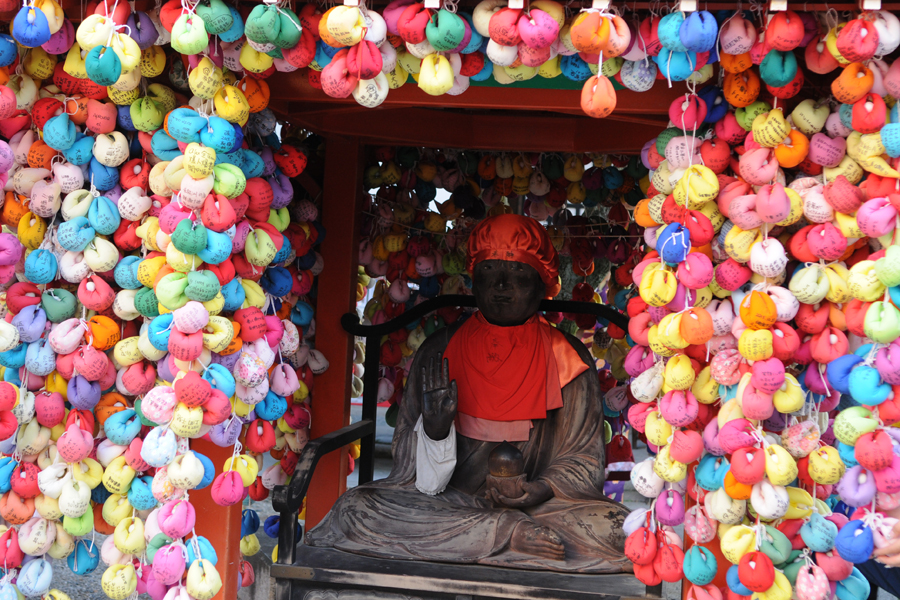
One of many small shrines within Kyoto.
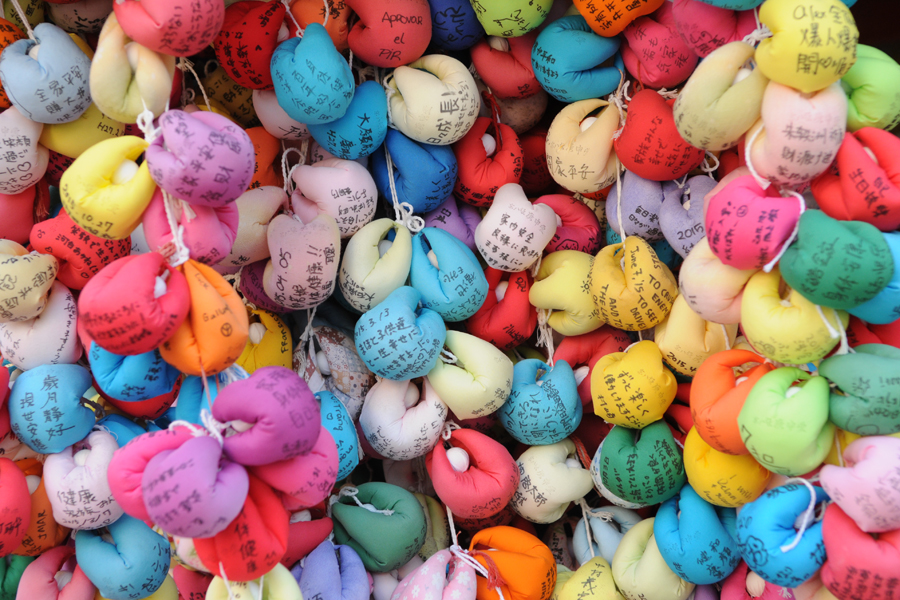
Surrounding the shrine are notes left in hopes of wishes being granted.

Even the kids loved every meal in Japan.
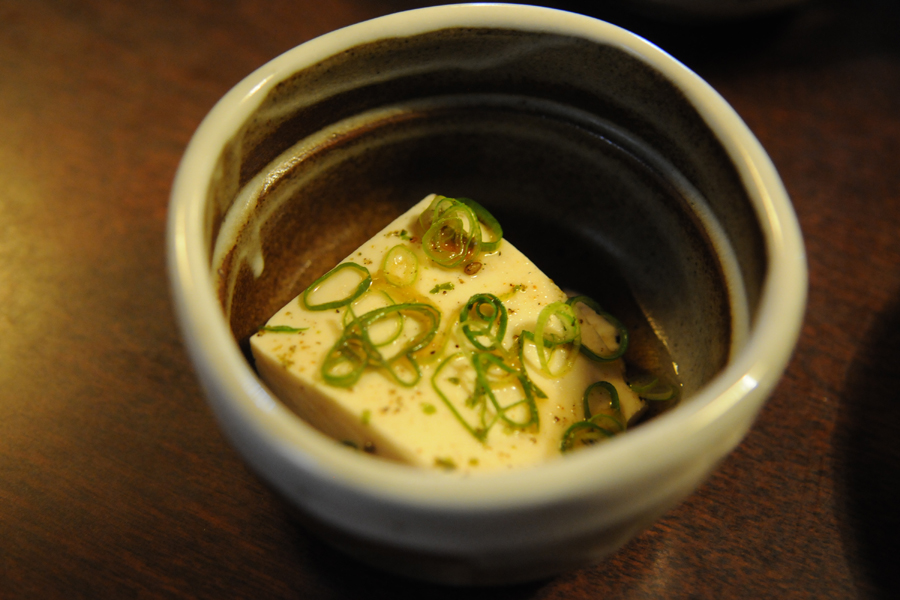
So simple yet so delicious.
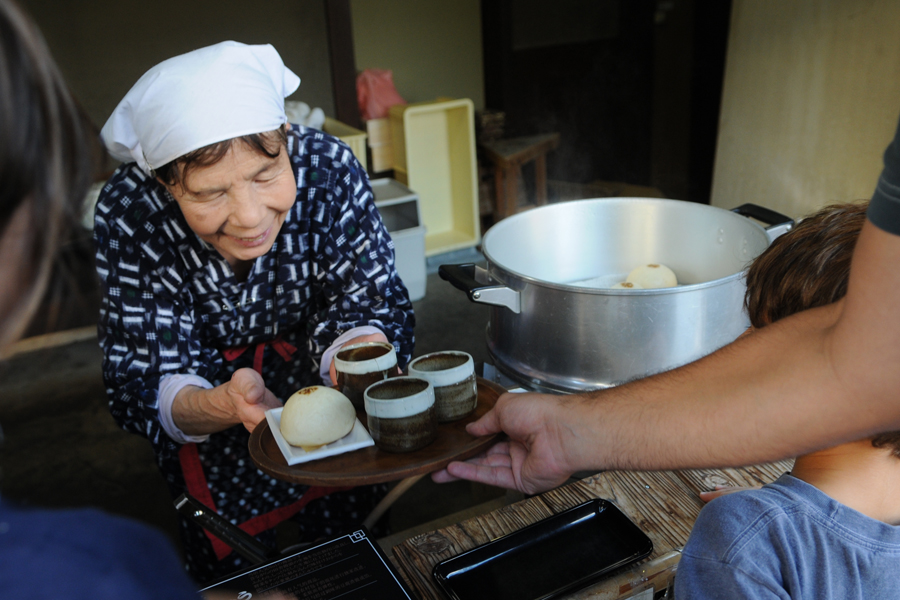
This is what street food should be like everywhere.
Pottery is one of Kyoto’s most influential specialties. Kiyomizu pottery has become one of the most important representing the art form’s perfection developed during Kyoto’s imperial palace days.
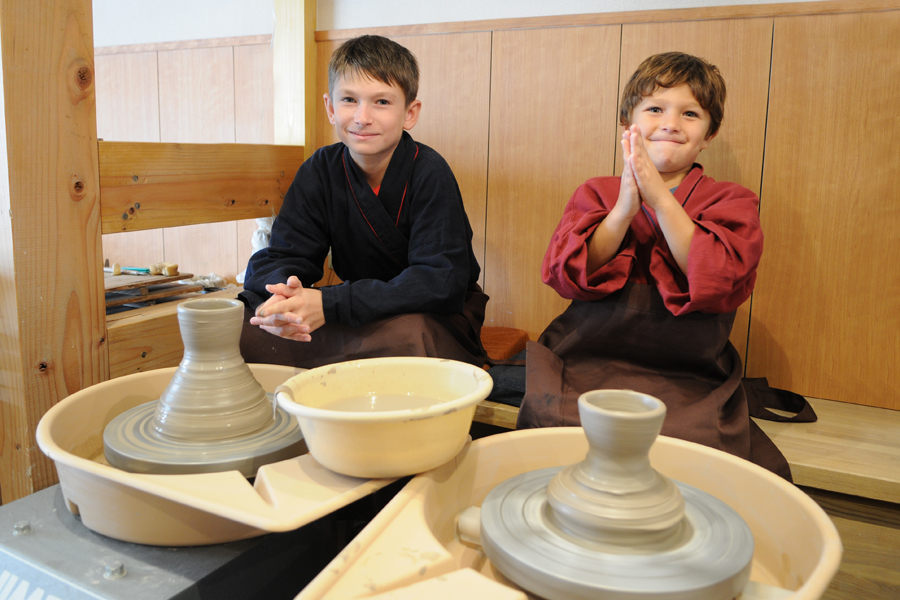
SO excited to be at the wheel!
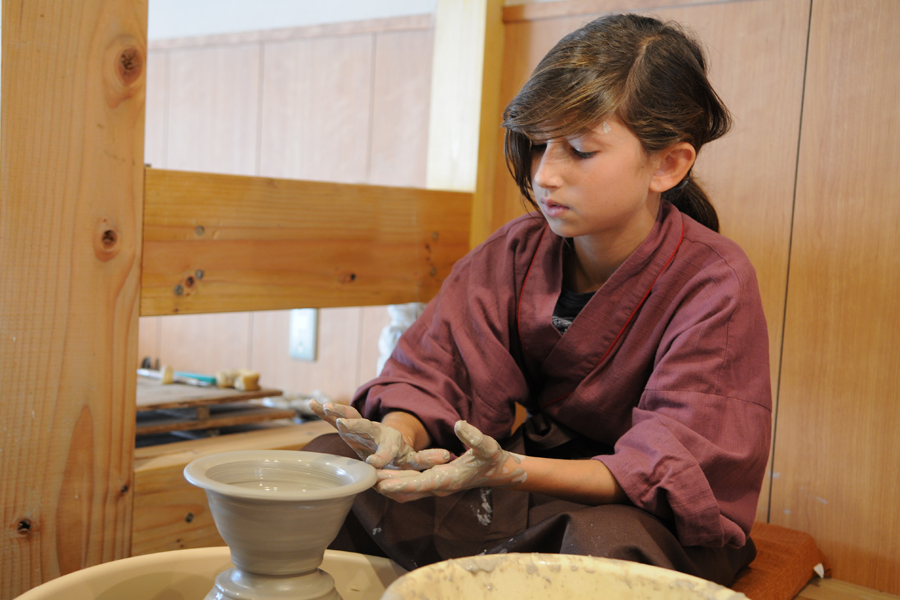
Our personal kiyomizu pottery was glazed, fired, and shipped back to the States. We are even more excited to see the final products!
Kyoto is also home of the Geisha. To this day, girls as young as 15 enter the strict training of becoming a Maiko (geisha apprentice) in hopes of becoming a true Geisha entertainer and master of Japanese arts. Kyoto is said to have 100 Maiko and around 100 Geiko (Kyoto’s term for Geisha). The mystery and draw behind this ancient tradition has helped form a special category of Geisha tourism within Kyoto.
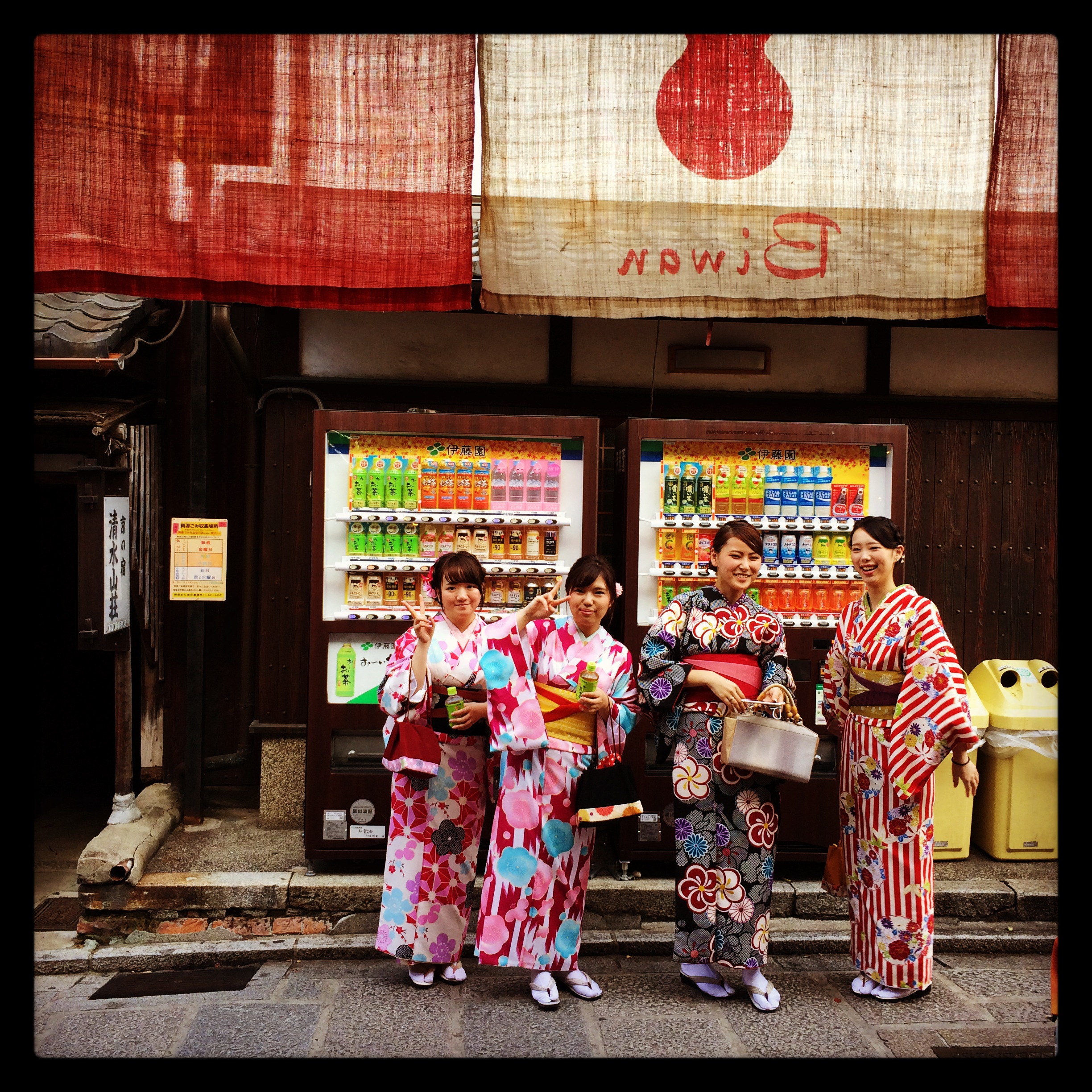
So much of this photo is a perfect representation of Kyoto. Rental Kimonos, vending machines, traditional noren hanging in entrance. All precisely tucked into the composition like a bento box.
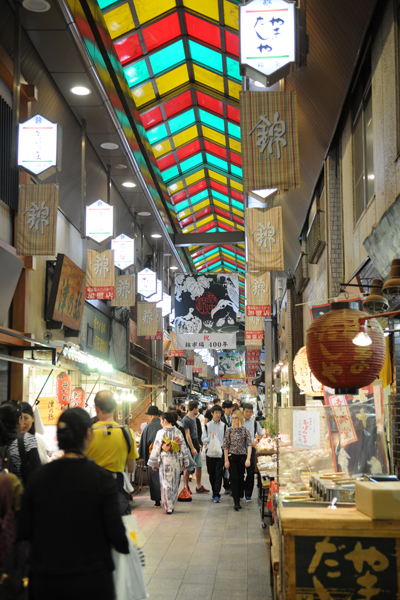
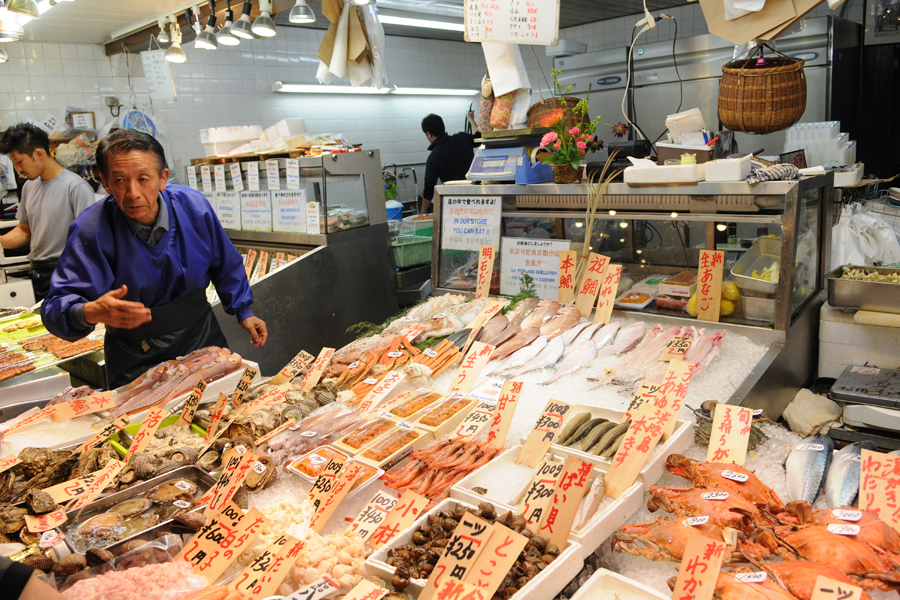
With our first full day coming to an end, we trained back to Osaka and walked through Nishiki Market.
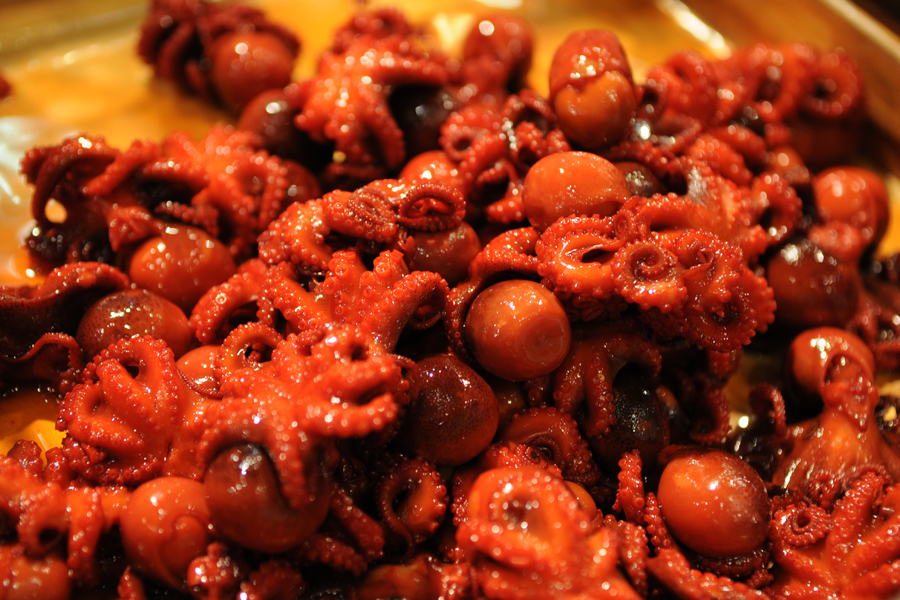
Red squid stuffed with quail egg.
Our next destination: Hiroshima
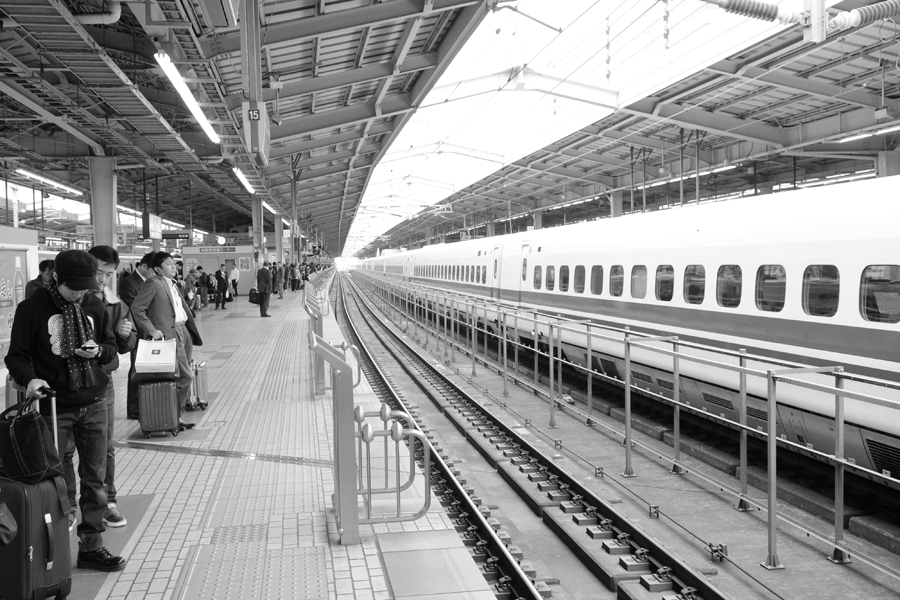
eat, train, eat, walk, eat, train, walk, sleep, repeat.
Hiroshima. We all know the history behind this city, but to visit the actual sites and walk the streets provided a different level of insight. The destruction of the atomic bomb is indescribable and incomprehensible, but just as powerful was the humbleness, strength, and resilience of those affected. To this day, Hiroshima strives to present it’s history without bias or blame in hopes for a better tomorrow where our future generations can all find peace.
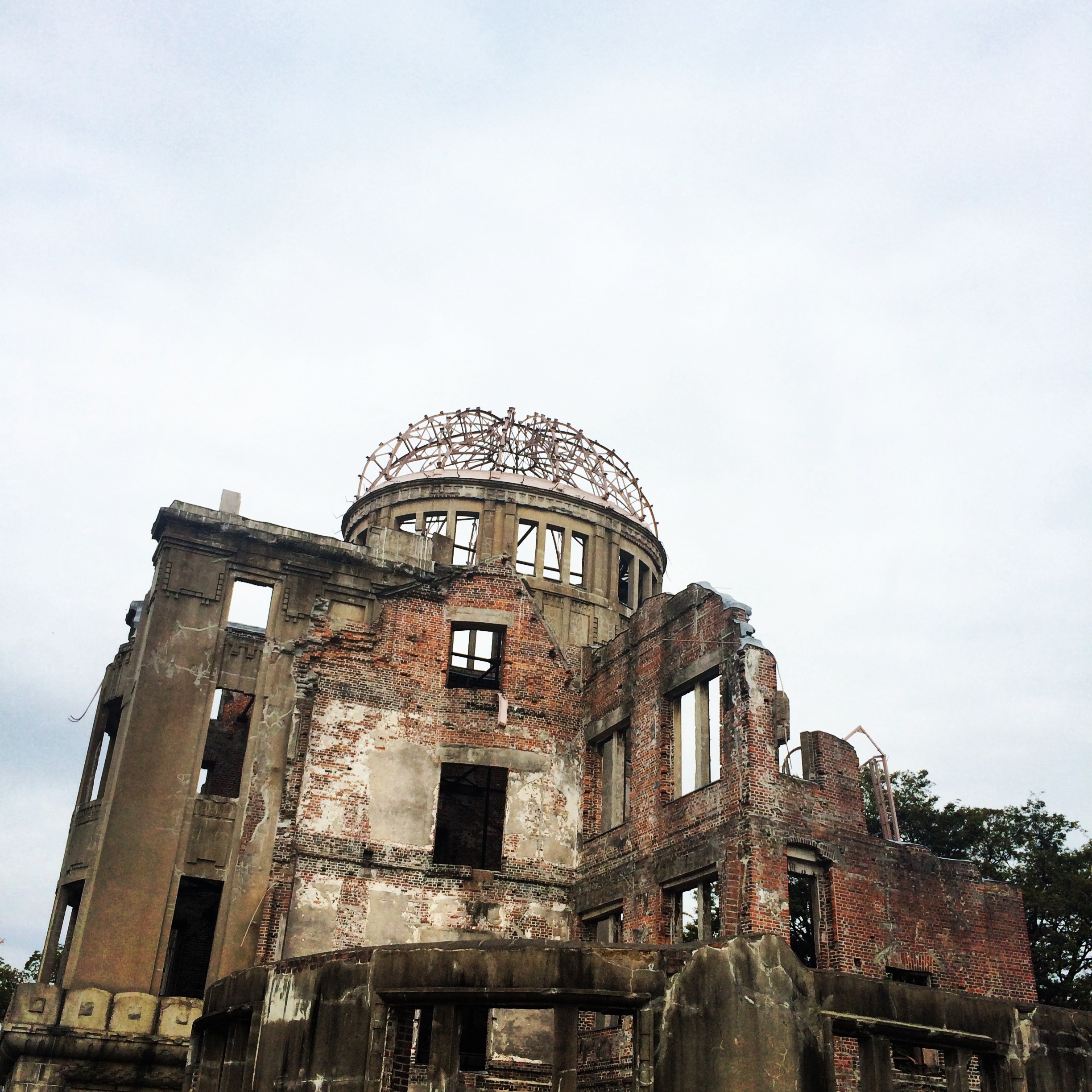
The Hiroshima Peace Memorial (Genbaku Dome). The only structure left standing after 8:16am August 6, 1945.
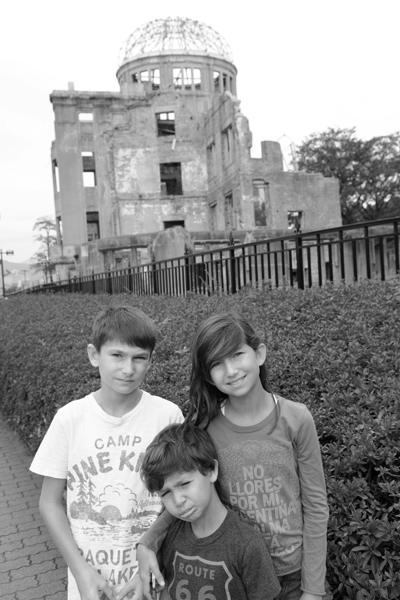
Luke knew he wasn’t supposed to smile for this photo.
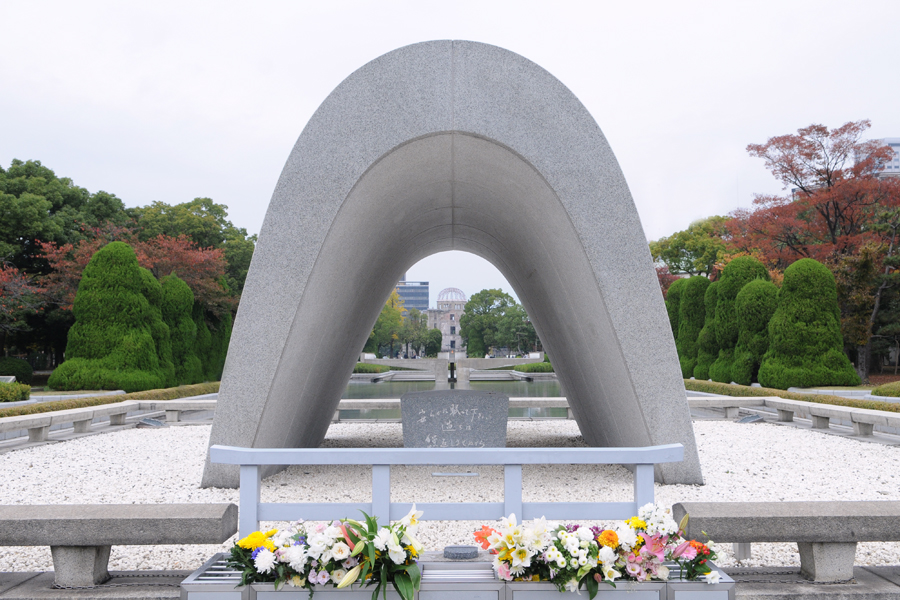
Cenotaph for the A-bomb victims: an arched tomb protecting a stone register listing the more than 220,000 victims who died from the blast or from exposure to it’s radiation.
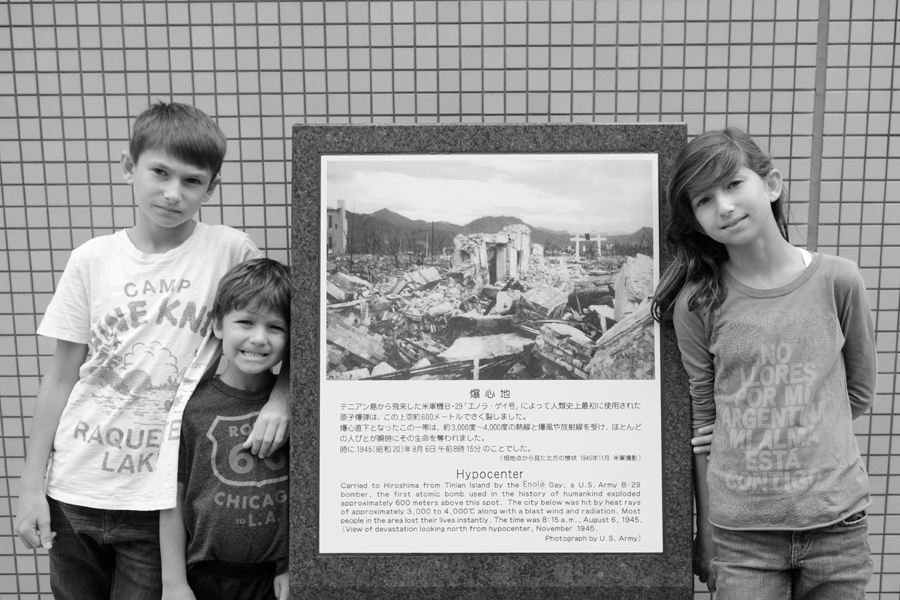
Hypocenter: precise location where the first atomic bomb exploded 600 meters above the ground. It was a confusing day for Luke.
After another train back to Osaka, we ended our last full day with true Japanese tepinyaki.
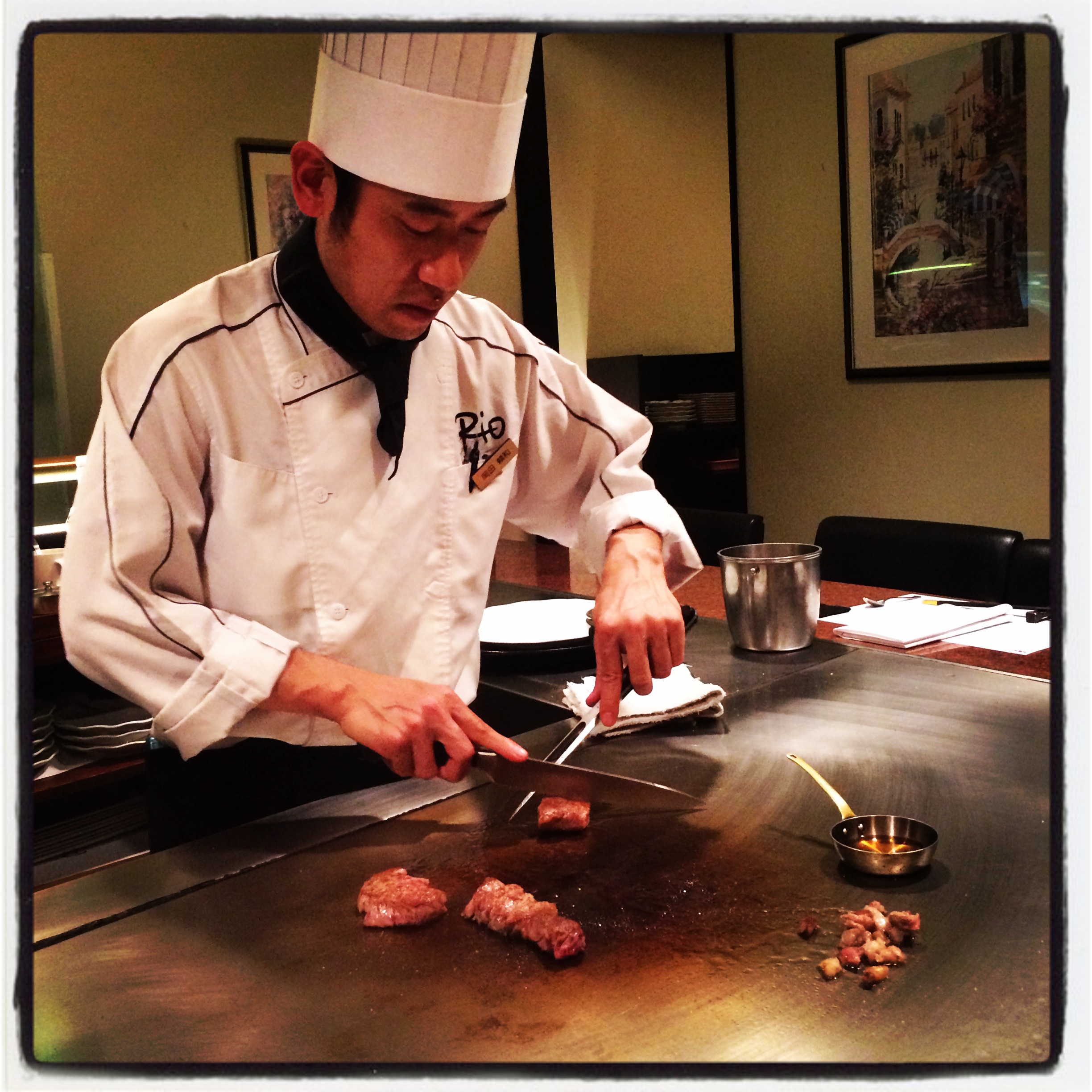
and more Kobe beef.
The whirlwind tour of Japan left us craving a return trip to this inspirational, respectful, and beautiful country.

Peace.
 ourshanghaidays
Beautiful job Julie as always !!!! We learn so much from your Blog !! Gonna miss this part!!!!Love Mom Date: Fri, 27 Nov 2015 13:15:44 +0000 To: lulupaw@hotmail.com