On February 8th, 2016, China ushered in the Year of the Monkey. Following the lunar calendar year, Chinese New Year is officially celebrated for 15 days, ending with the Lantern Festival on February 22nd. China’s most important holiday, hundreds of millions of migrant workers will migrate during this time to their hometown to visit family. It’s a time to celebrate a year of hard work and wish for a lucky and prosperous new year.
The national holiday is celebrated with numerous symbolic traditions. Dragon dances and fireworks scare away the mythical ferocious monster, Nian. Every street is lined with red lanterns while most doors adorn red couplets. People flock to Buddhist temples to worship ancestors, bring offerings, and pray for good fortune. Red envelopes filled with money, known as hóngbāo, are given to children, retired seniors, and employees in hopes of bringing good luck and fortune in the new year. Families reunite and celebrate with a large New Year’s Eve dinner complete with a variety of traditional holiday foods including dumplings, glutinous rice cakes, sweet rice balls, and fish (a homophone for “surplus”). Wearing red and traditional Chinese clothing is also an important tradition.
Leading up to this Chinese New Year, our extended Shanghai family helped us embrace such Chinese customs in a very personal way. At our most recent visit, we were presented with a custom-made chángshān, the traditional Chinese outfit for men which literally translates to “long shirt.” It was lovingly created with the family’s heirloom fabric and is something our family will treasure and pass on for years to come.
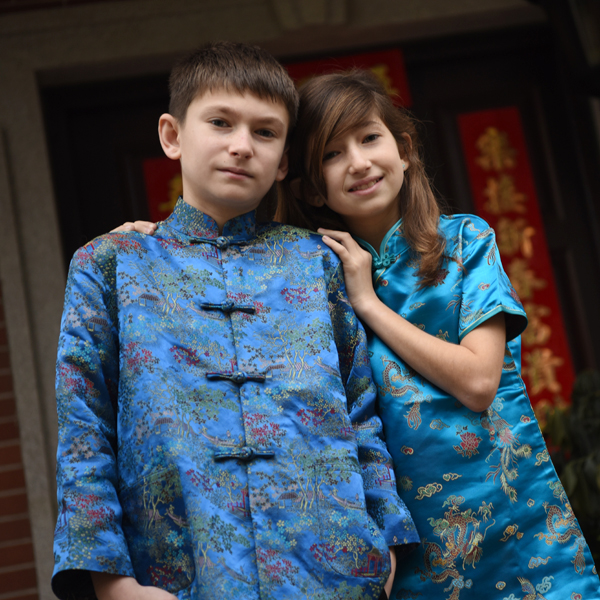
Jack was so proud to wear his chángshān to our school Chinese New Year festivities.
They also sent us homemade ba bao fan (八寶飯), a festive CNY food that literally translates to “eight treasures rice.”
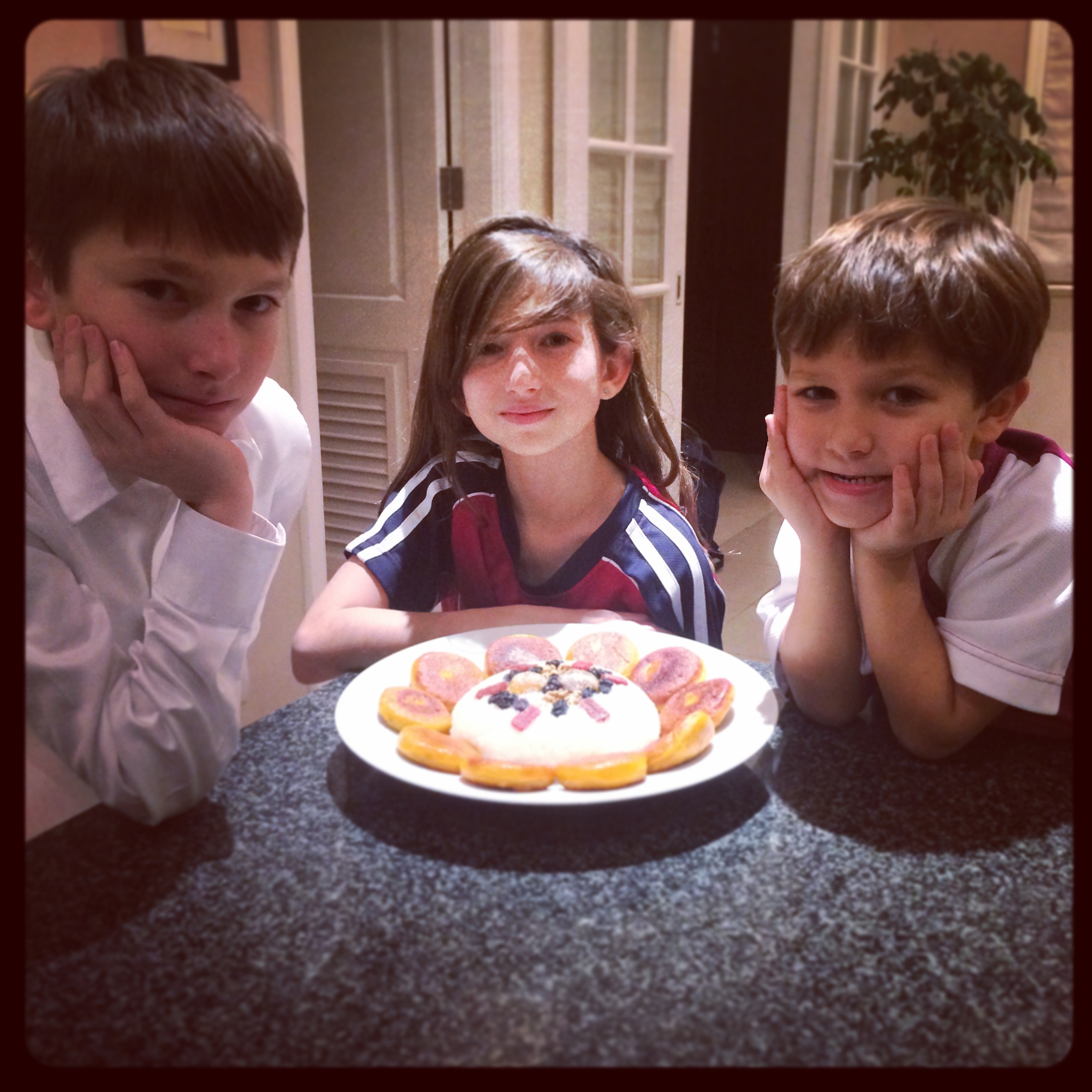
Layered with symbolism for good luck and prosperity, this contains glutinous rice, red bean paste and an assortment of 8 different kinds of dried fruits and nuts. YUM!
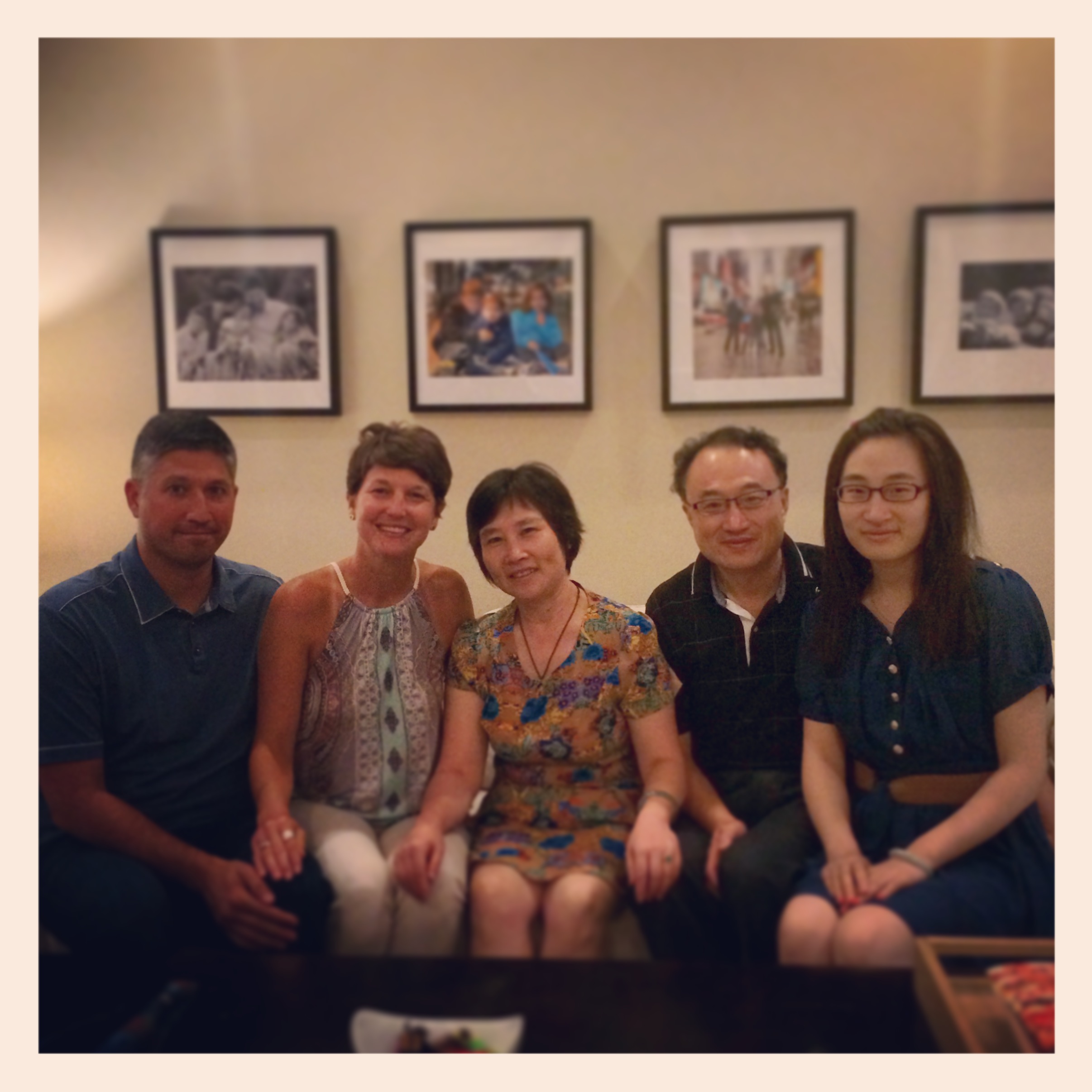
Hua Li (my mandarin teacher) and her parents. We are so grateful for their generosity and thoughtfulness.
In the short duration of this CNY year, an estimated 2.9 billion trips in total were made by car, trains, buses, and planes. We accounted for 5 of those travelers.
Our destination…Dubai.
Located on the Persian Gulf in the Middle East, Dubai is the most populous city in the country known as the United Arab Emirates. It is one of seven emirates that make up the UAE. Each emirate is an absolute monarchy, with a separate emir (ruler) for each Islamic territory.
Native Emirati are descendants of the Bedouin tribe, whose traditional occupations included growing date palms, fishing, and pearl diving along the coast. With the discovery of oil in 1966, the ever-warring and struggling region finally joined together to establish the UAE in 1971.
The wealth of oil has allowed Dubai to sprout out of the Arabian Desert and become one of the world’s fastest growing economies. Oil, free trade, real estate, and tourism help it’s economy to thrive, drawing to it expats from various nations. The country has a population of approximately 10 million people. Of this, only 1 million are native to the region.
We were welcomed in Dubai by our friends and and former Hudson classmates who have been living in Dubai for 2 years. It was wonderful to see familiar faces, share in our expat adventures, and celebrate Jack’s birthday together.
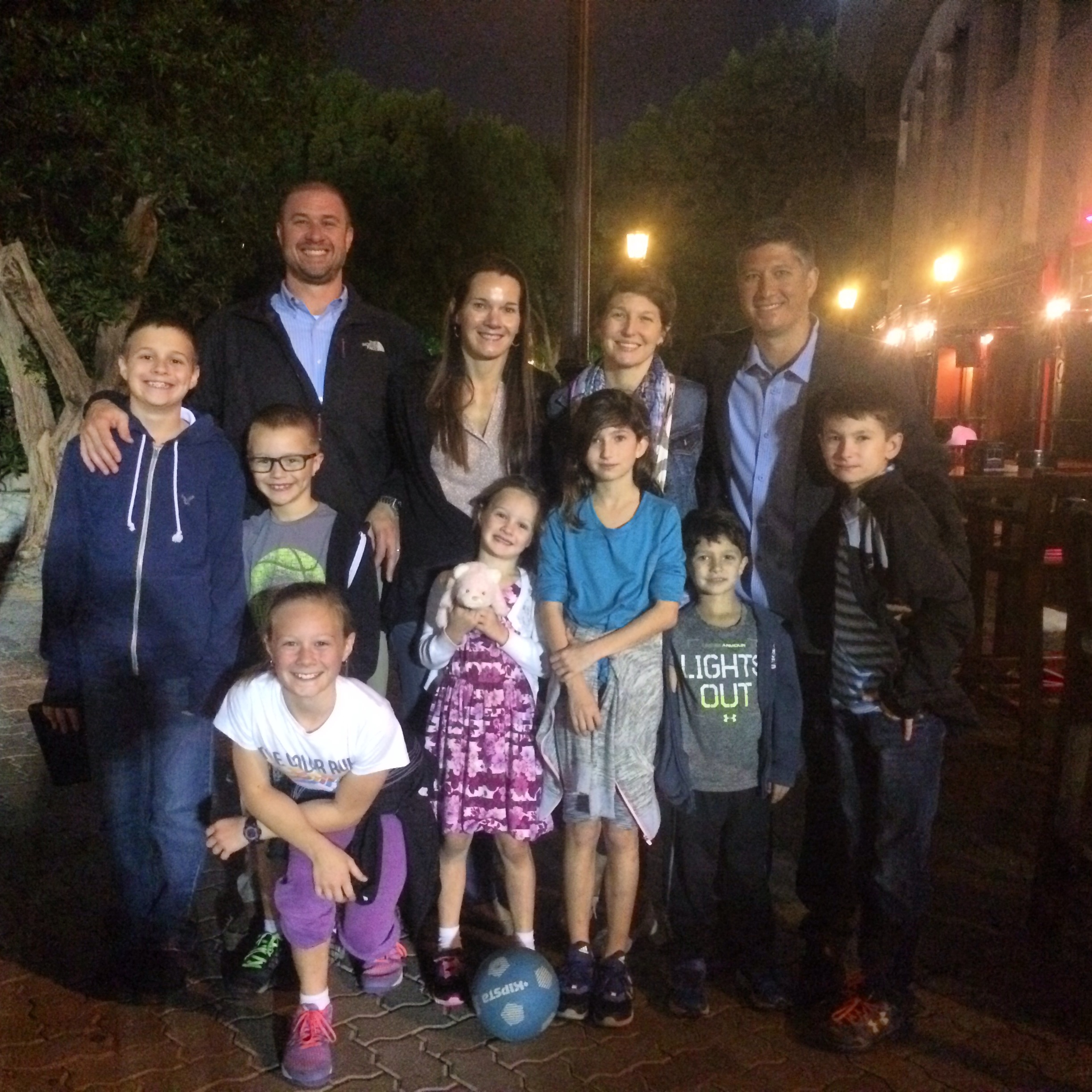
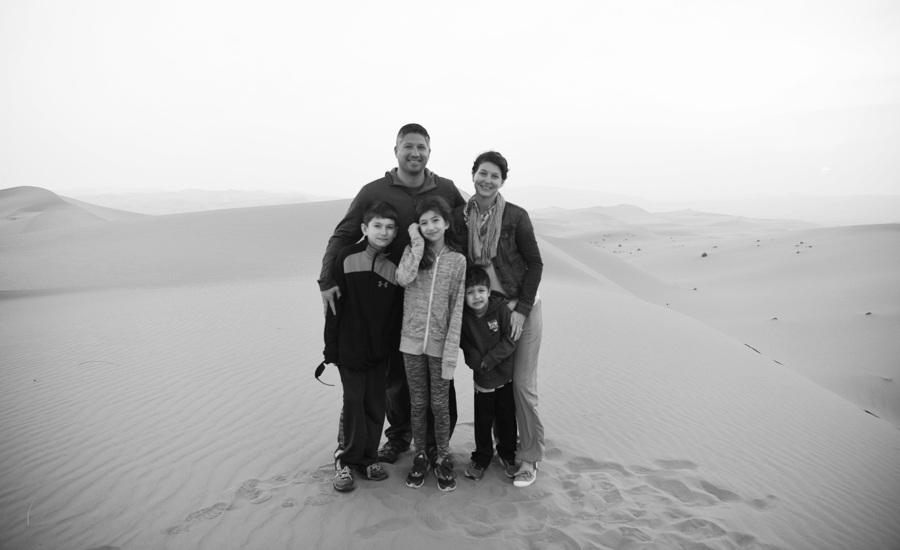
The Tuttle Family: 6 of the 9,000,000 current expats living in UAE.
Our cultural journey began at the Dubai Museum located in one of the only historic structures remaining in this ultra-modern city. Dating from about 1800, the Al Fahaidi Fort was built to defend the city of Dubai and served as the office and residence of the ruler.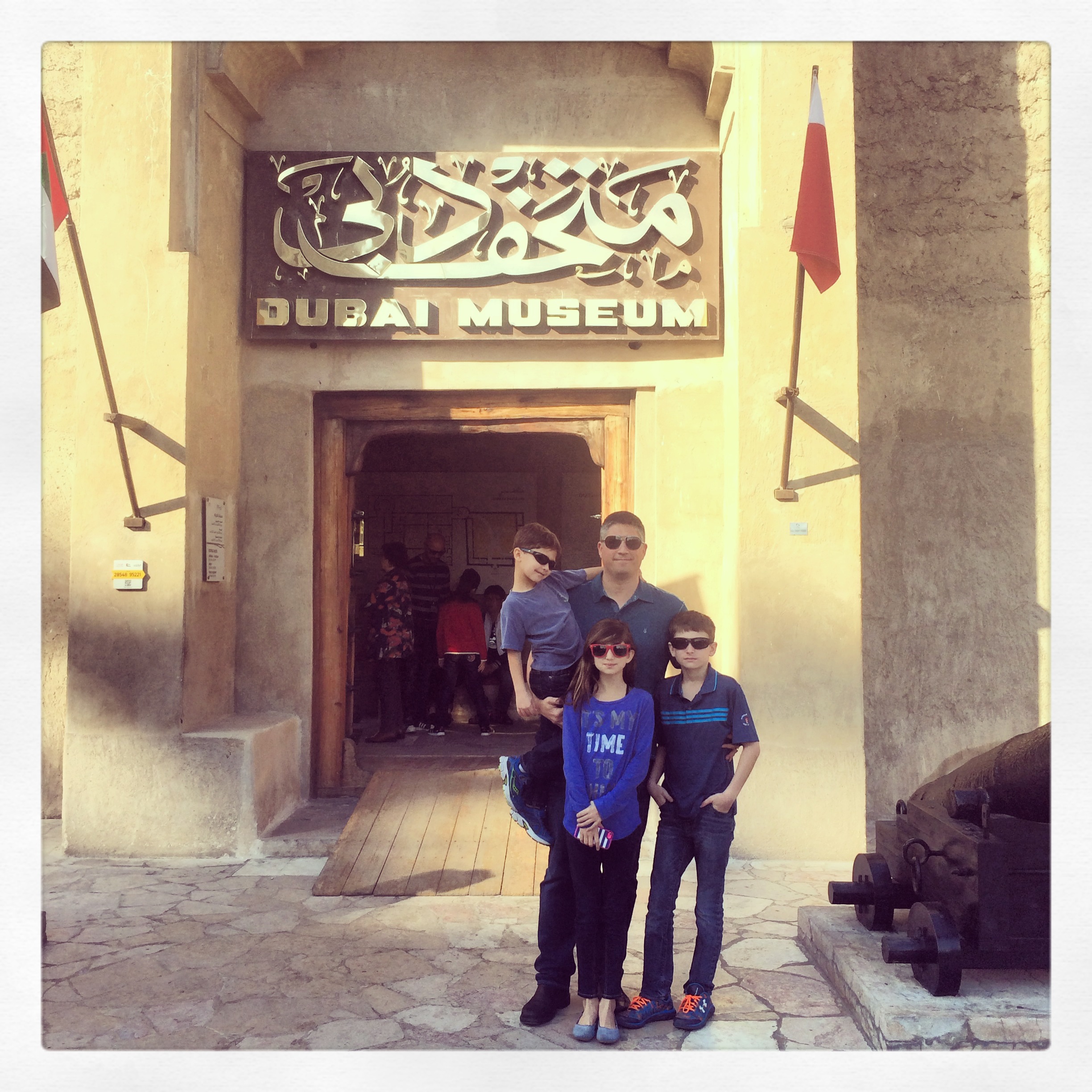
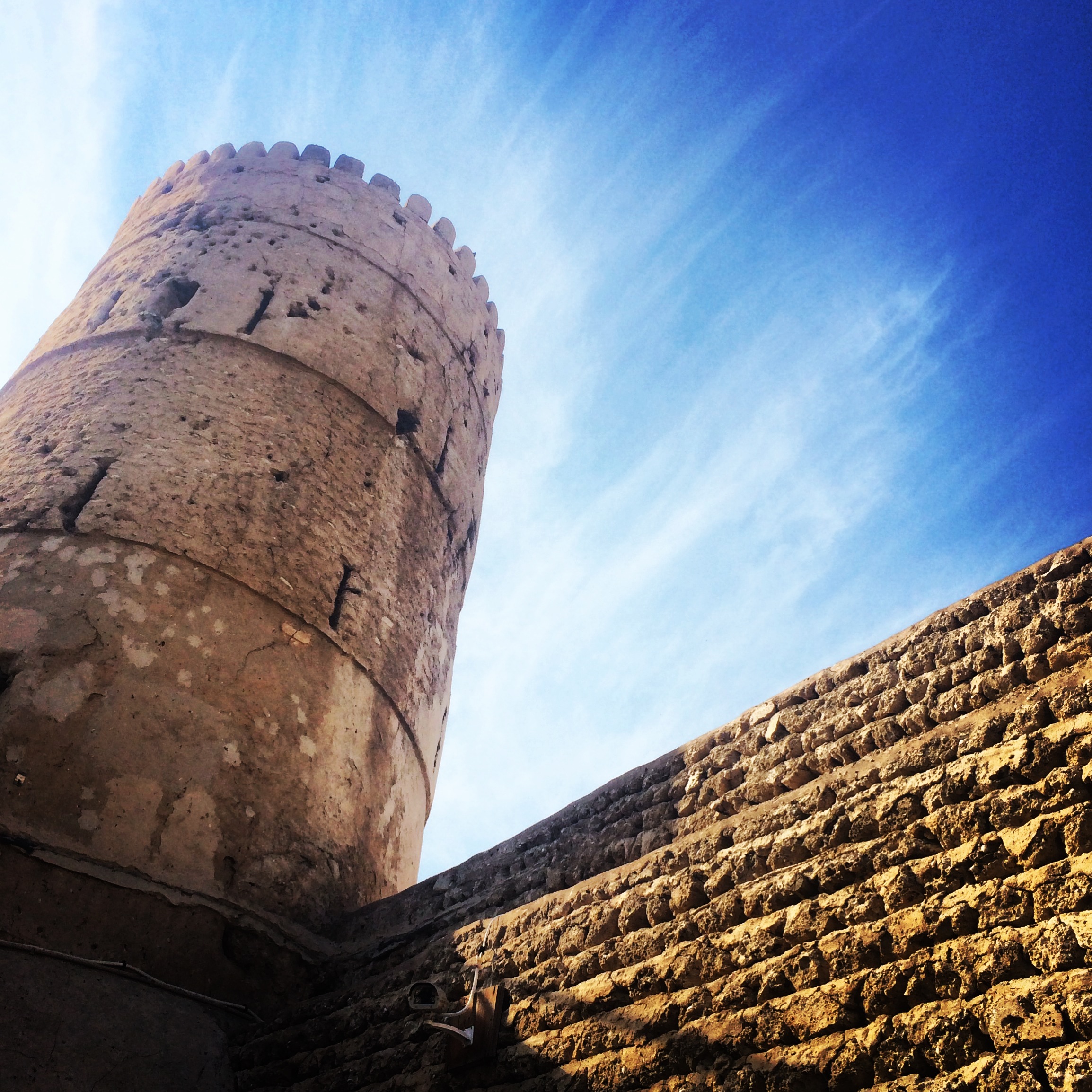
The fort was constructed from sea rocks and gypsum.
Next, we enjoyed a traditional Emirati breakfast while learning about the Arab culture, customs, and religion. Our favorite food included the Arabic coffee, dates, ligamat (donuts of the Gulf), and chbab (Emirati pancakes) with date syrup.
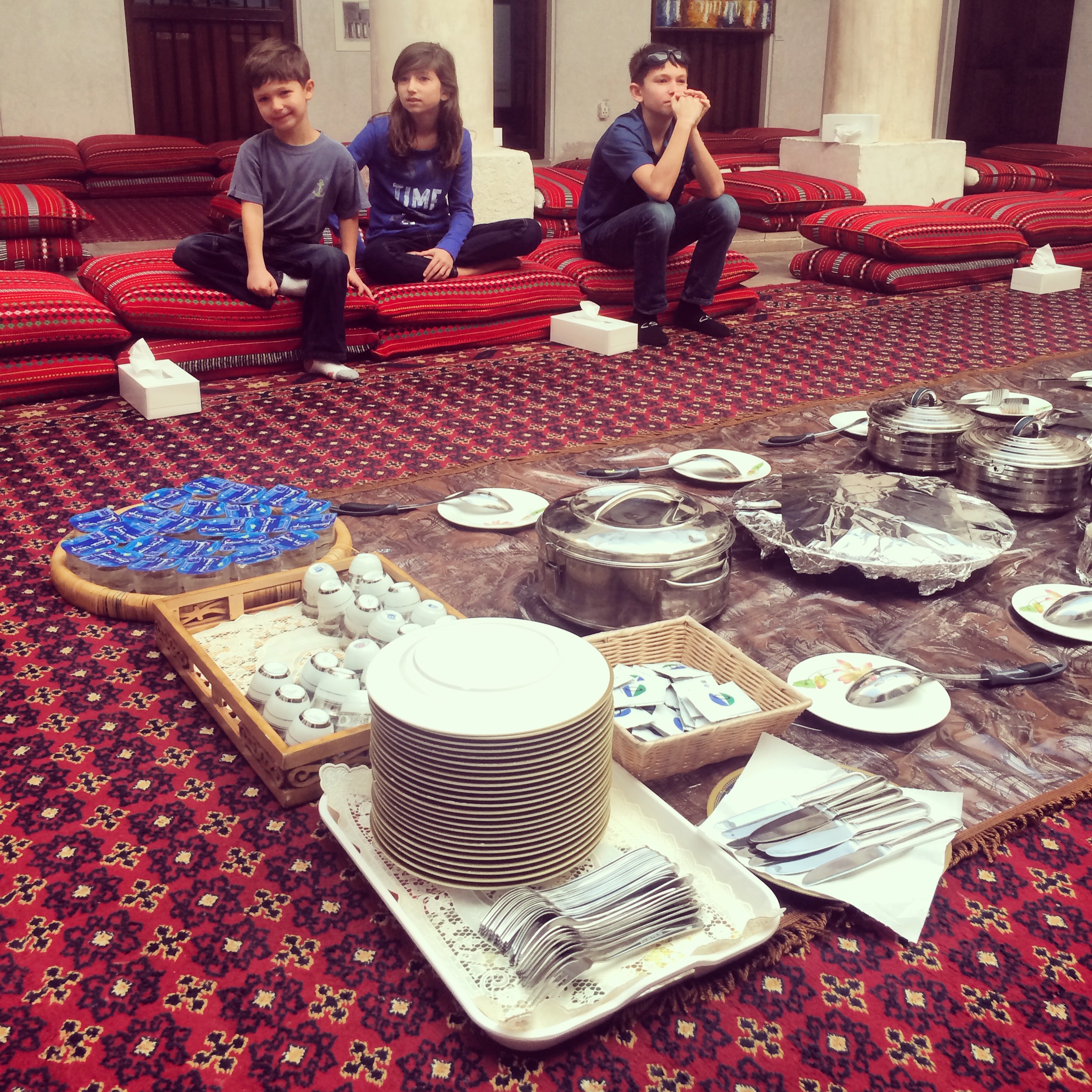
Sheikh Mohammed Center of Cultural Understanding.
Understanding the history of the region helped us truly appreciate the change that this region has seen in such a short amount of time.
It’s hard not to be impressed with the ongoing real-estate projects that have reconstructed and redefined the Dubai landscape. Once a barren desert, Dubai is now home to the tallest skyscraper in the world, the most expensive hotel, and various artificial islands. Like a giant sandbox, the sand is pushed around and maneuvered to create new waterways and fill existing ones, while the bottom of the Gulf is dredged to form new islands in the shape of a palm tree, universe, and world continents.
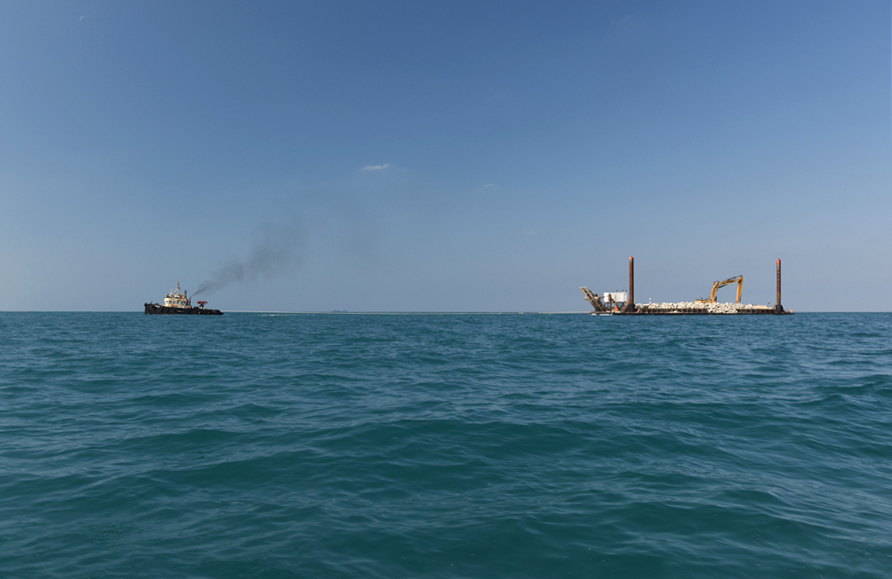
The construction both on land and in the Gulf is continuous and in every direction. Here, a tugboat pulls a barge filled with sea rock.
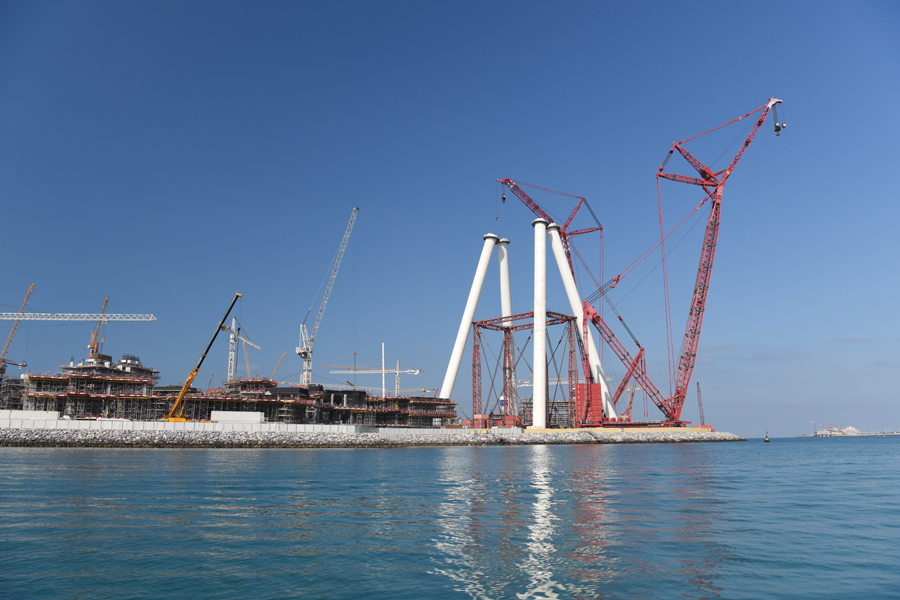
This will soon be the site of the world’s largest ferris wheel. The Dubai Eye Ferris Wheel will be more than 600 ft tall once complete.
The Burj Khalifa: Standing at 2,722 ft with 154 floors, it is the world’s tallest skyscraper.
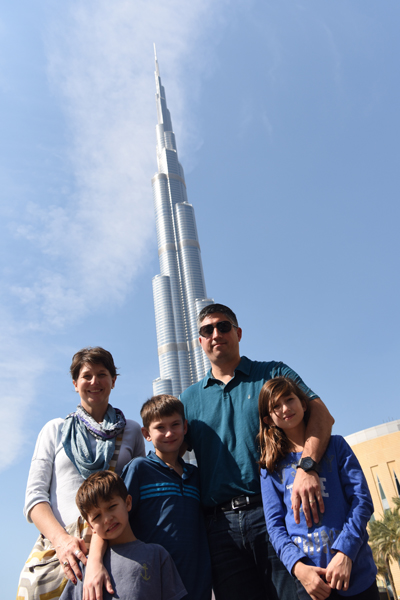
Burj Khalifa
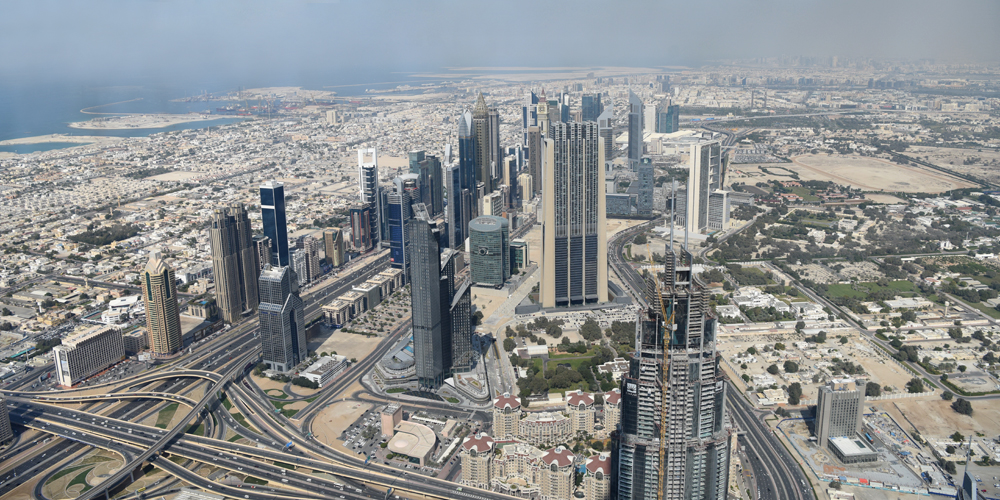
The view from the observatory on the 148th floor.
Of the seven emirates that make up the UAE, Dubai is the only one that has maintained it’s wealth through trading rather than oil. Although oil helped accelerate it’s growth, less than 5% of it’s current revenue comes from oil.
One of the most important elements in establishing the commercial position of Dubai has been the Dubai creek. With no other natural rivers, this saltwater inlet served as the city’s only port until 1979. The Jebel Ali port now serves as Dubai’s major trading harbor and remains the largest man-made port.
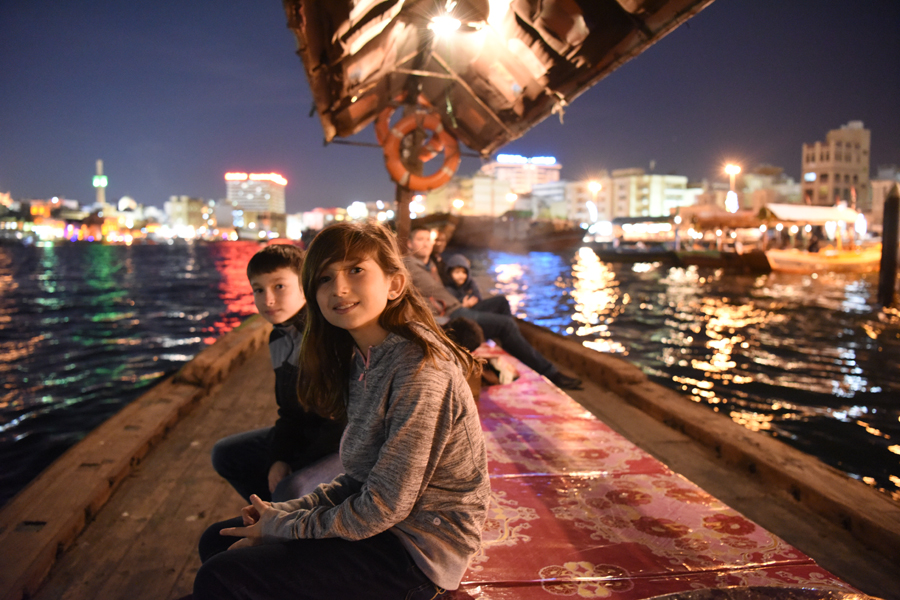
On the Dubai creek aboard an “abra,” a traditional water taxi.
Although traffic along the creek has diminished, it’s historical importance is still visible as it is lined with the various souks that attract traders from around the world. These open-air markets sell everything from local spices to gold.
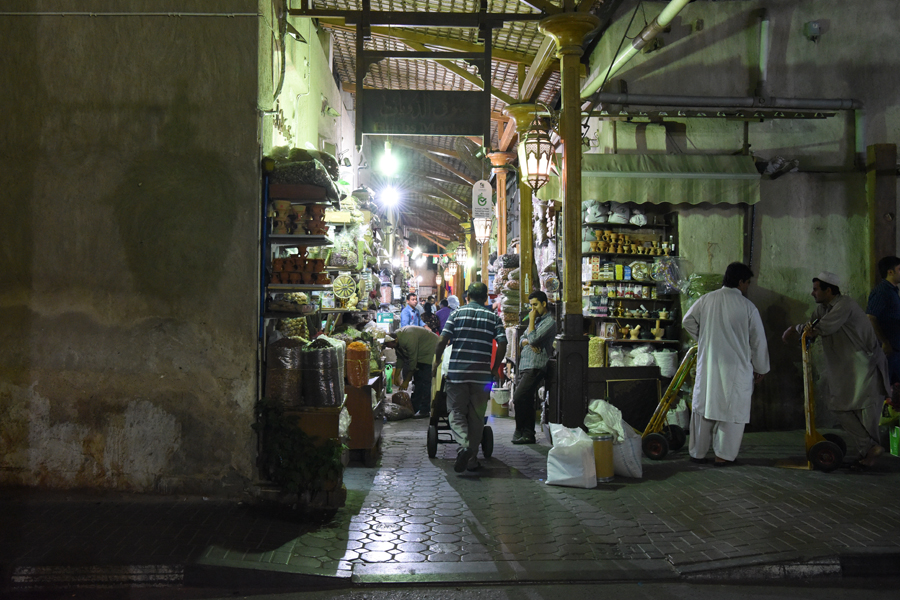
Deira Spice Souk.
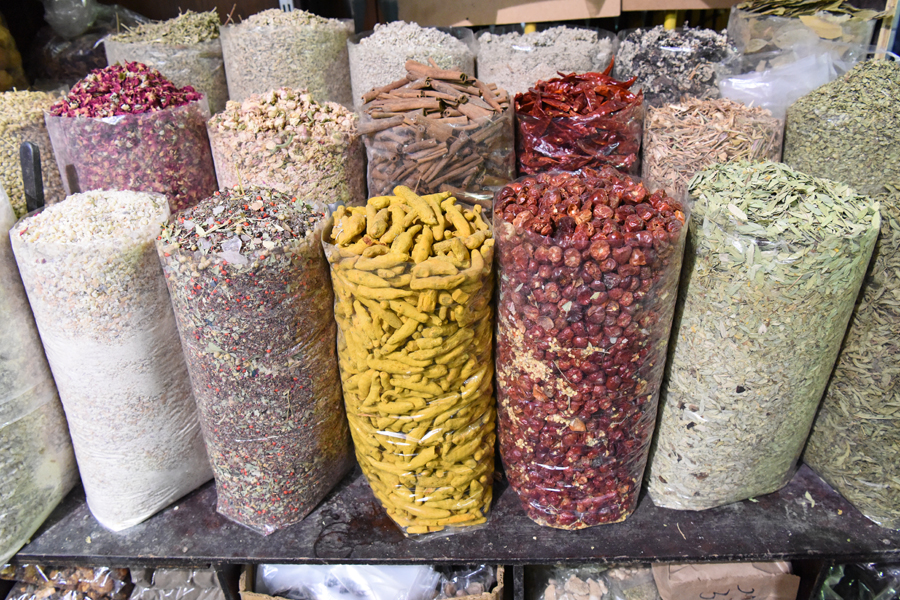
Rows upon rows of fresh frankincense, saffron, cardamom, vanilla, cinnamon…
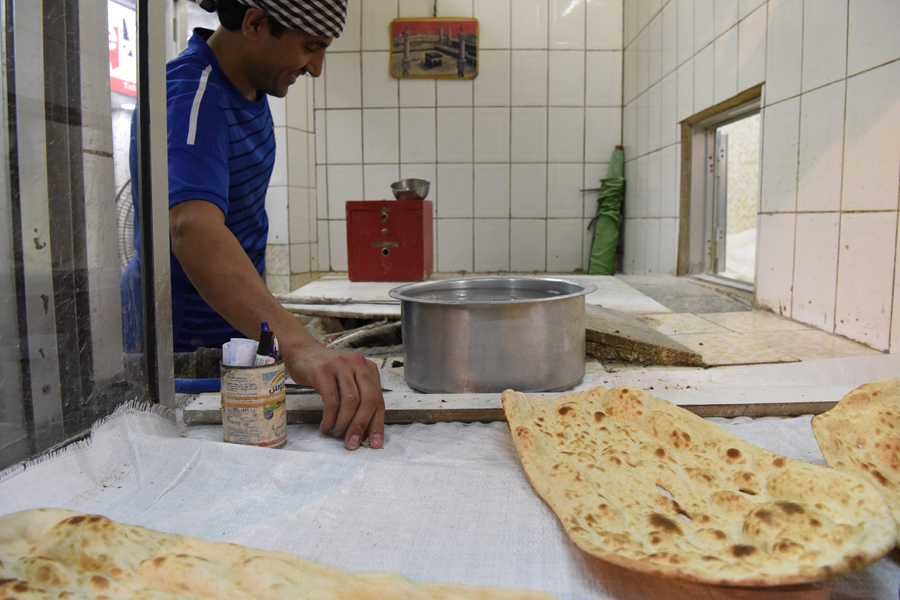
And fresh Pakistani bread.
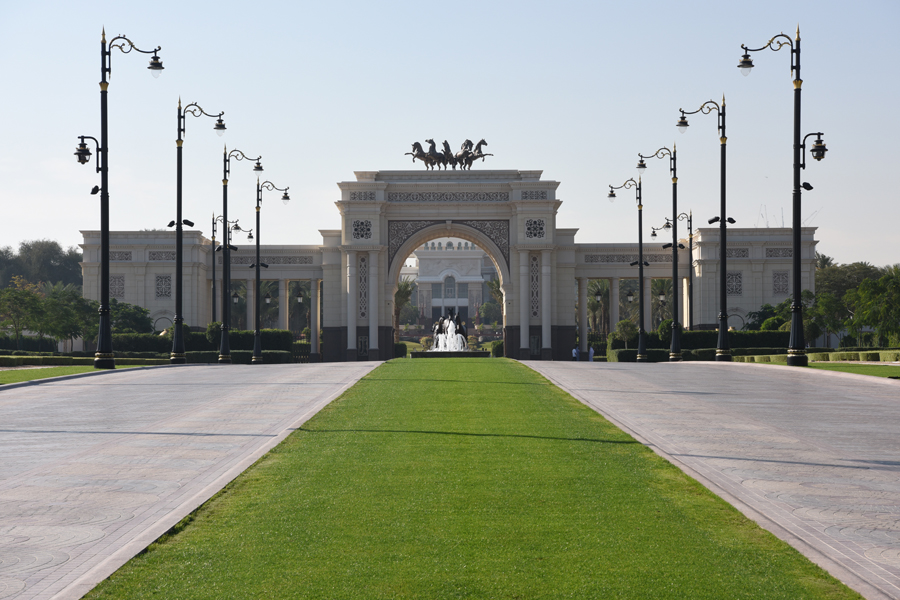
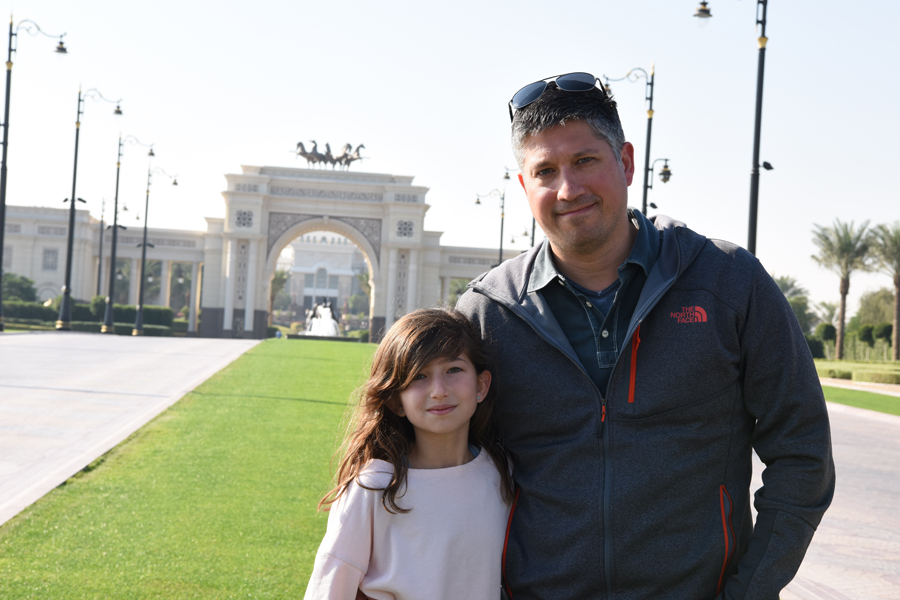
The Maktoum family has ruled Dubai since 1833. Built in 1965, the Za’abeel Palace is the official residence of the ruler of Dubai and Prime Minister of the UAE, Shiekh Mohammed Bin Rashid Al Maktoum.
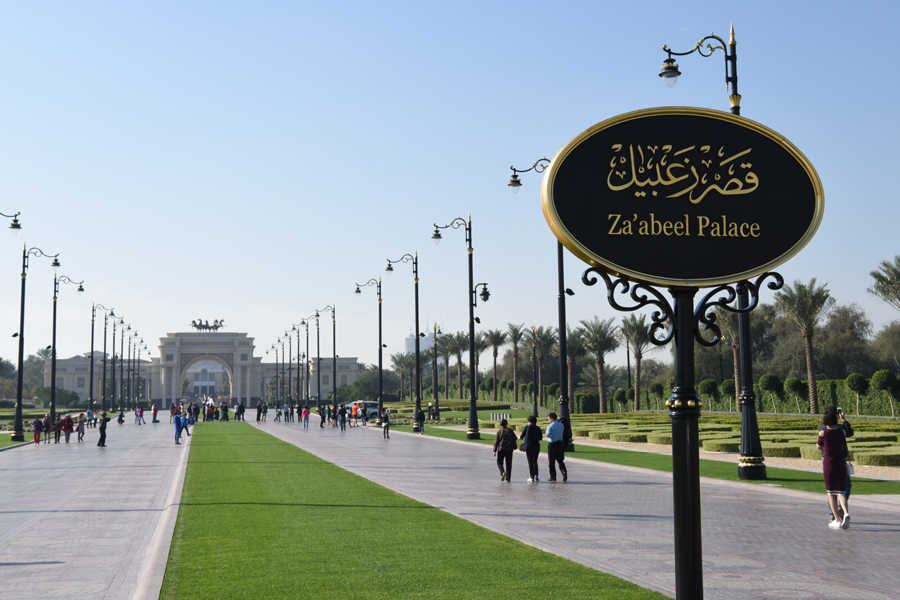
After exploring Dubai, it was time to truly experience the desert without the city. We traveled 3 hours southwest into the corner of the emirate of Abu Dhabi.
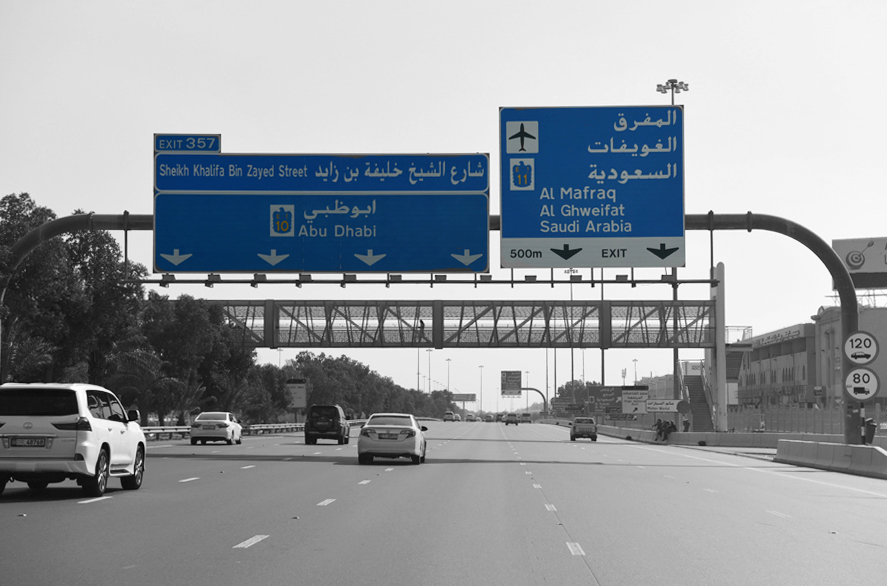
Along the border of UAE and Saudi Arabia.

You know you’re in the desert when…
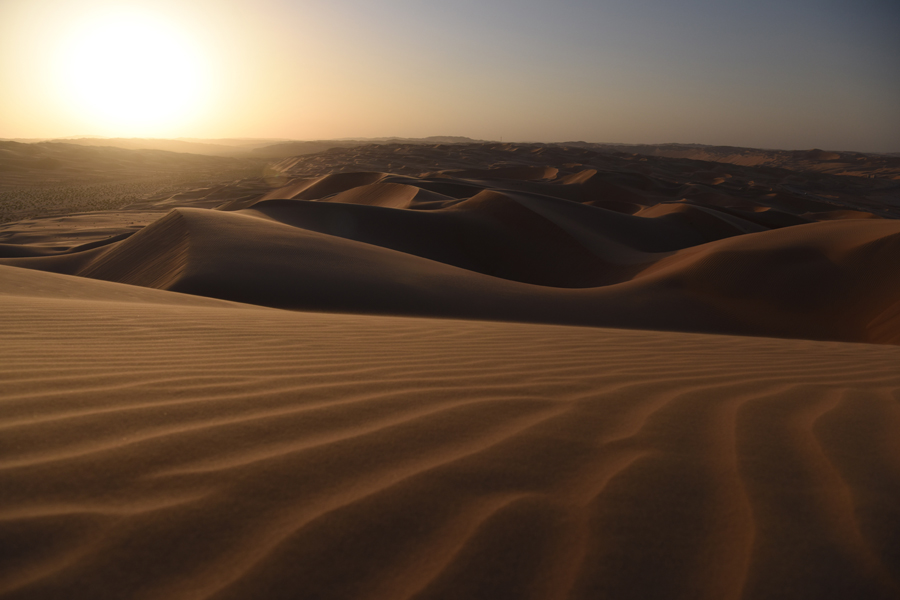
We ended up in the most beautiful oasis: Rub’ al Khali, also known as the Empty Quarter Desert. With a penetrating silence, it is the world’s largest sand desert encompassing more than 250,000 sq miles. Perhaps more important to our family, it was also the film location for Star Wars: The Force Awakens.
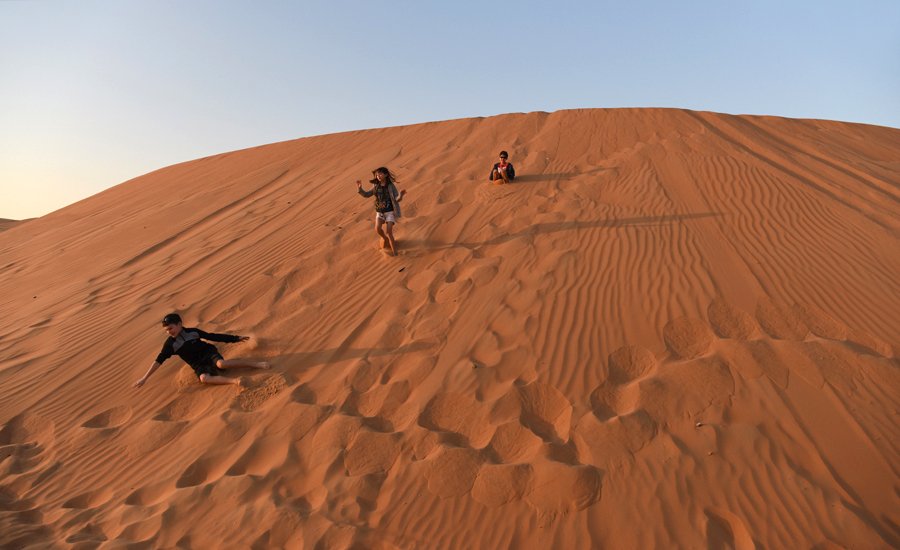
We were entranced by it’s profound beauty, found joy in playing and riding the waves of the sand dunes, and became part of the desert during a sand storm.
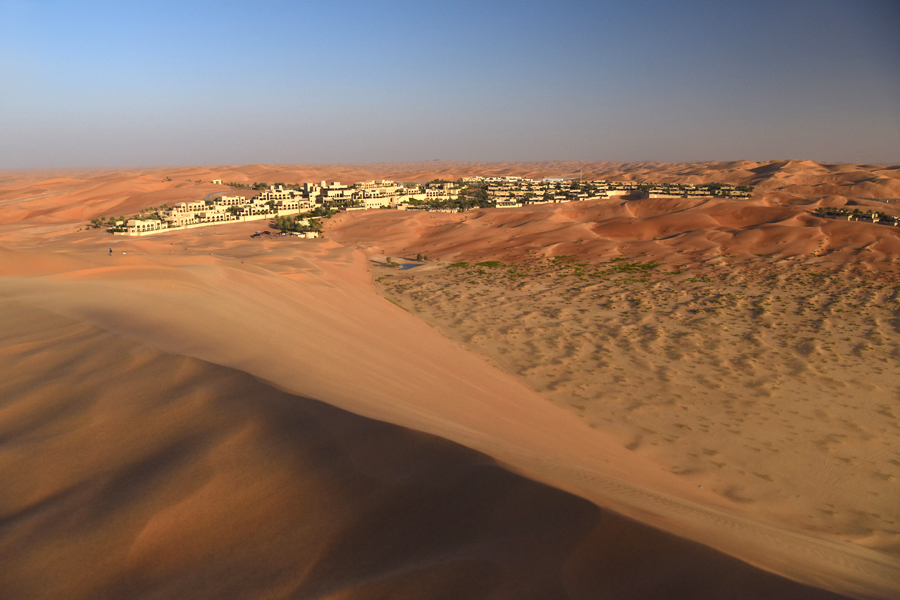
Qasr Al Sarab Desert Resort. Surrounded by nothing but desert in every direction.
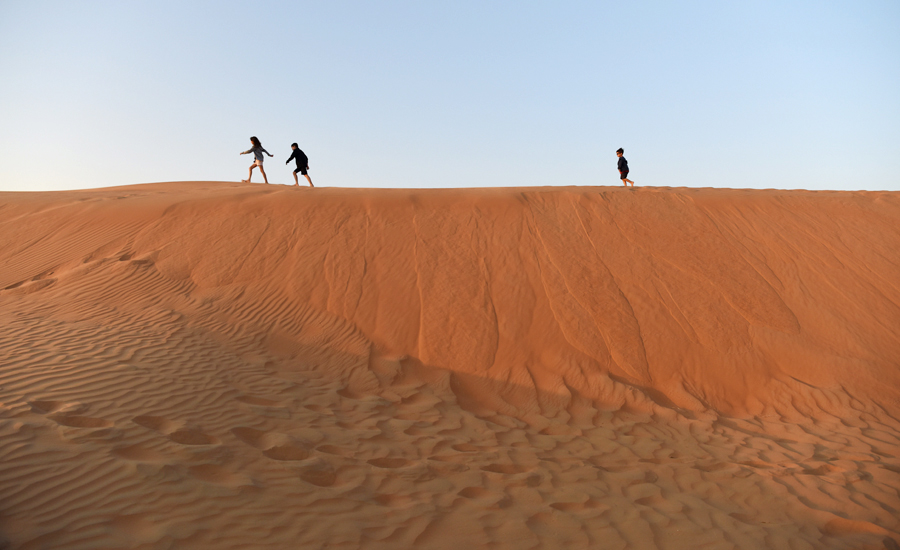
Luke is never far behind.
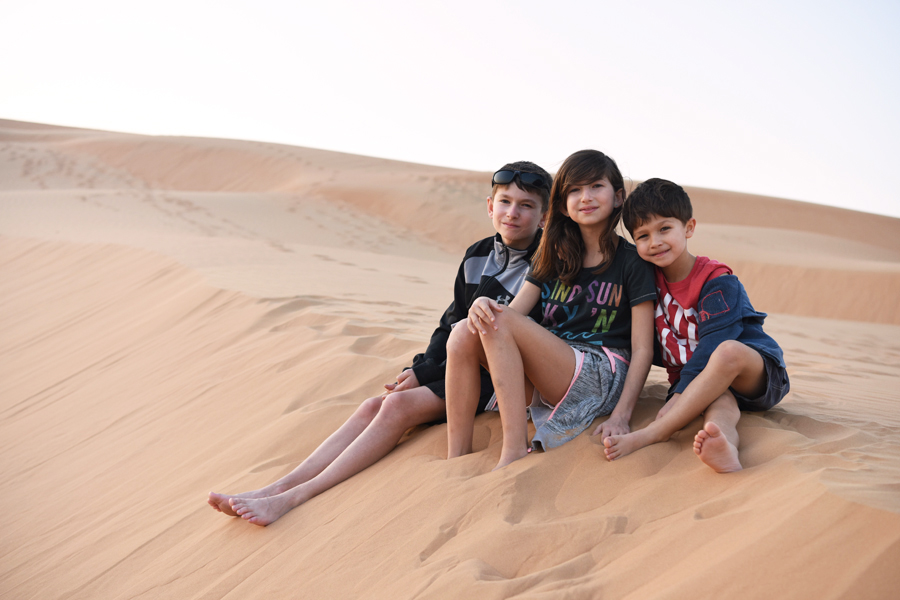
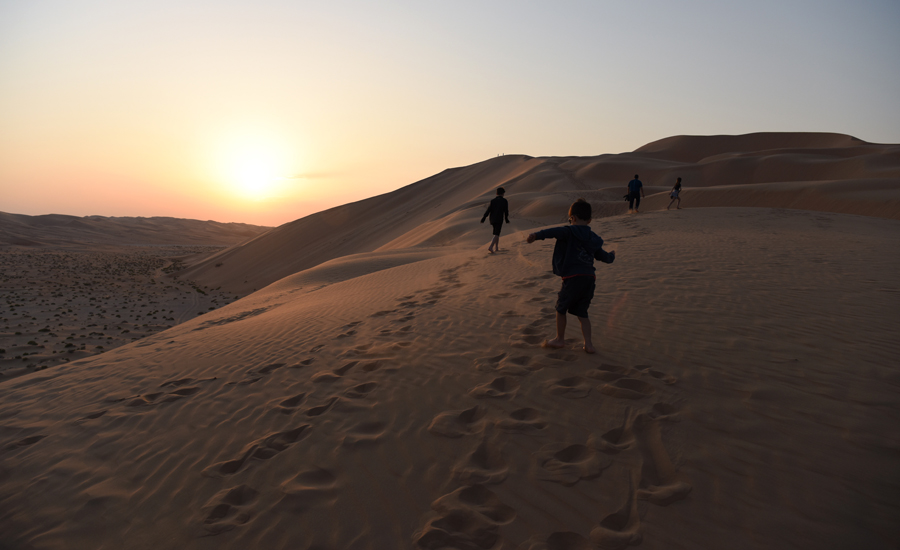

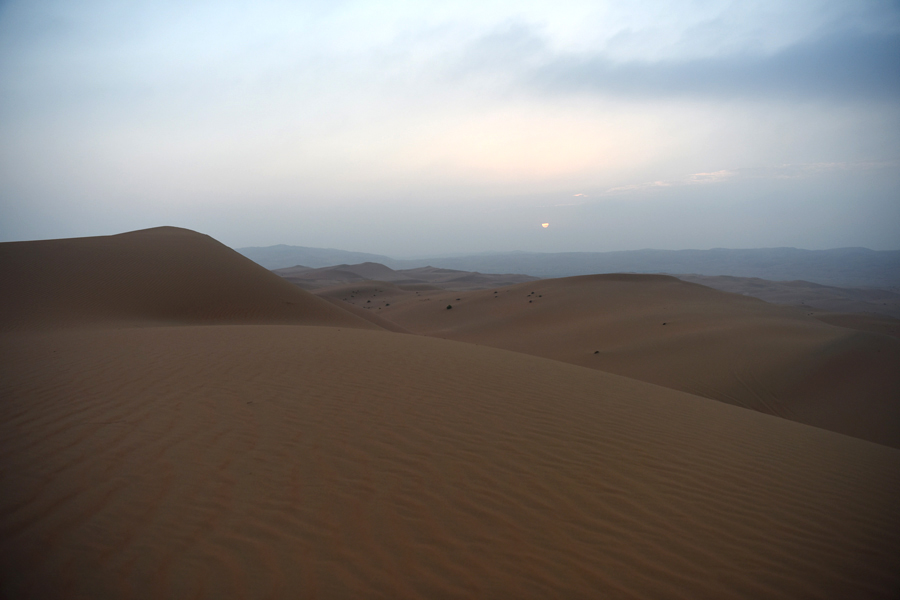
Sunrise over the Empty Quarter.
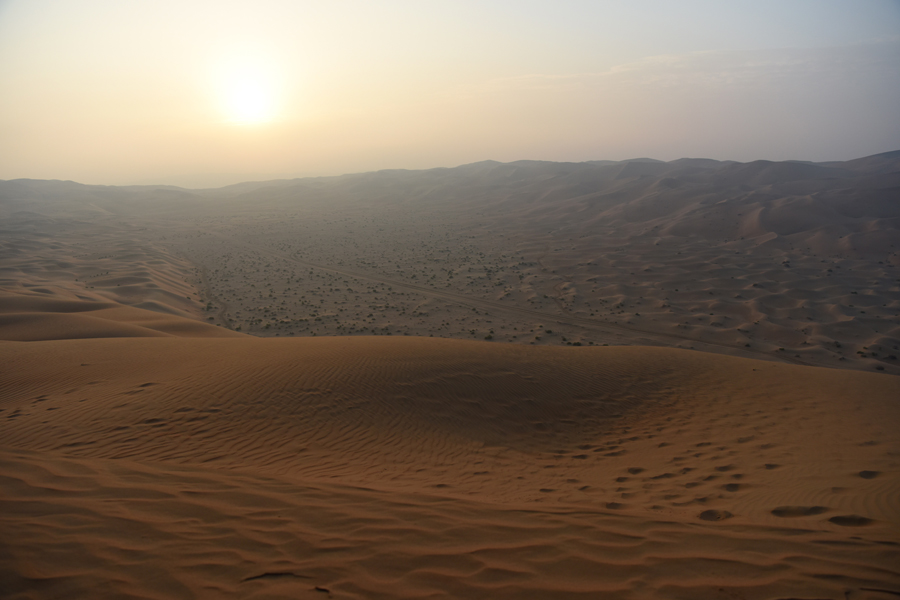
Sunrise
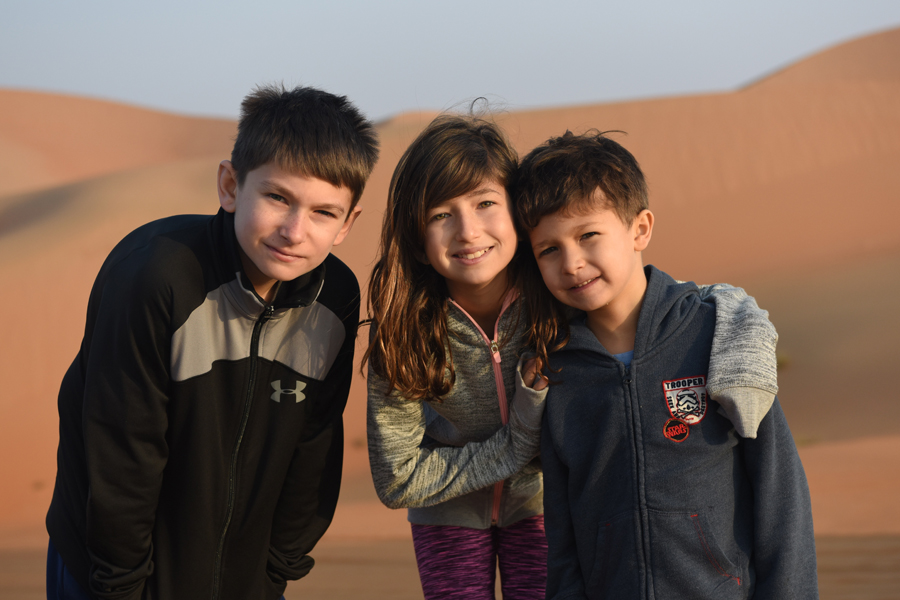
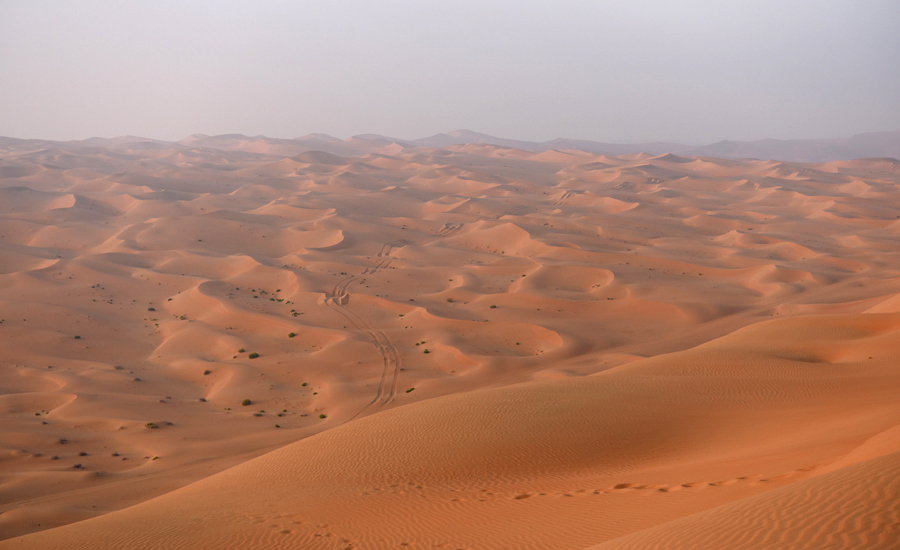
Distant tracks from our off-roading safari through and over sand dunes in a four-wheeled jeep.
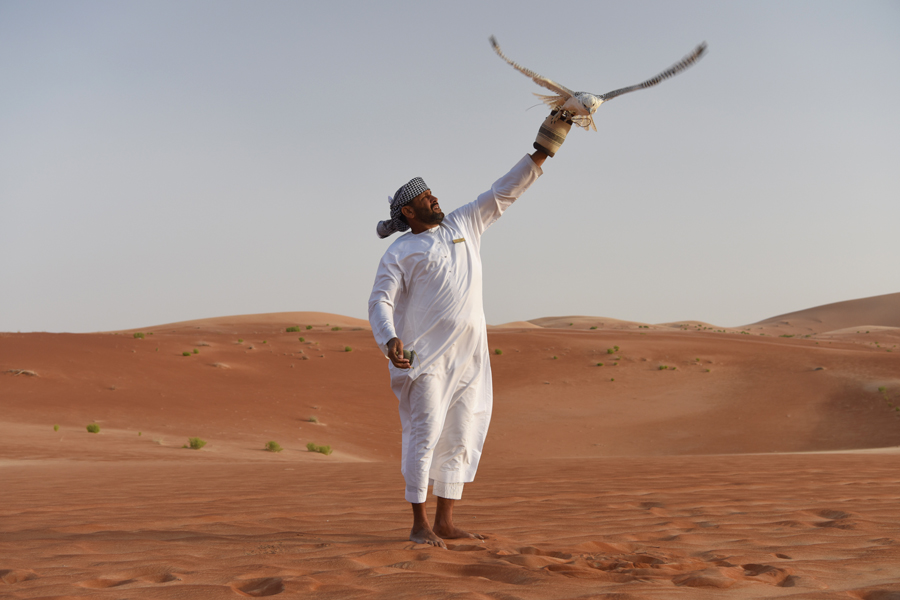
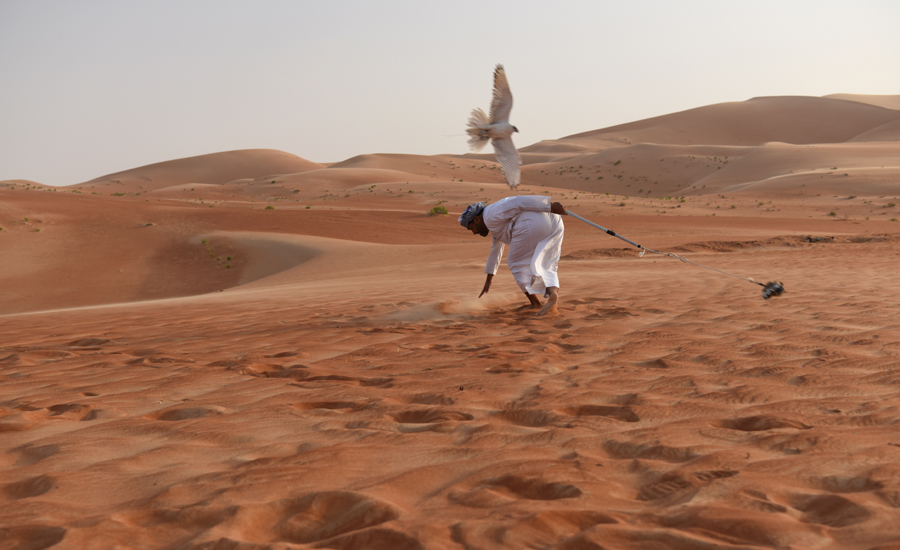
Primarily to help supplement an otherwise meager diet, falconry has played an important part of the Arabian desert culture. Today, it is purely done for sport and the falcon symbolizes force and courage as the national bird of the UAE.
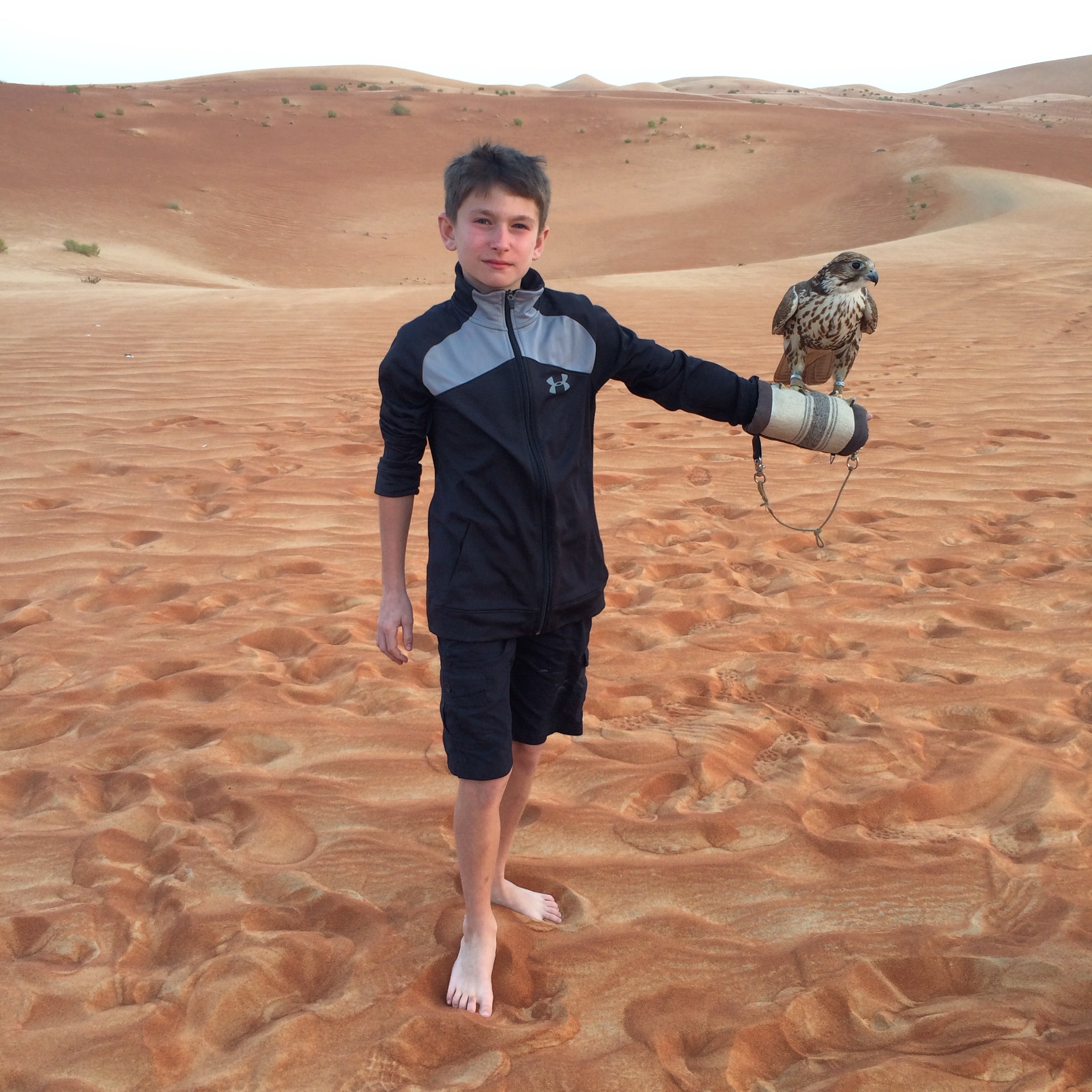

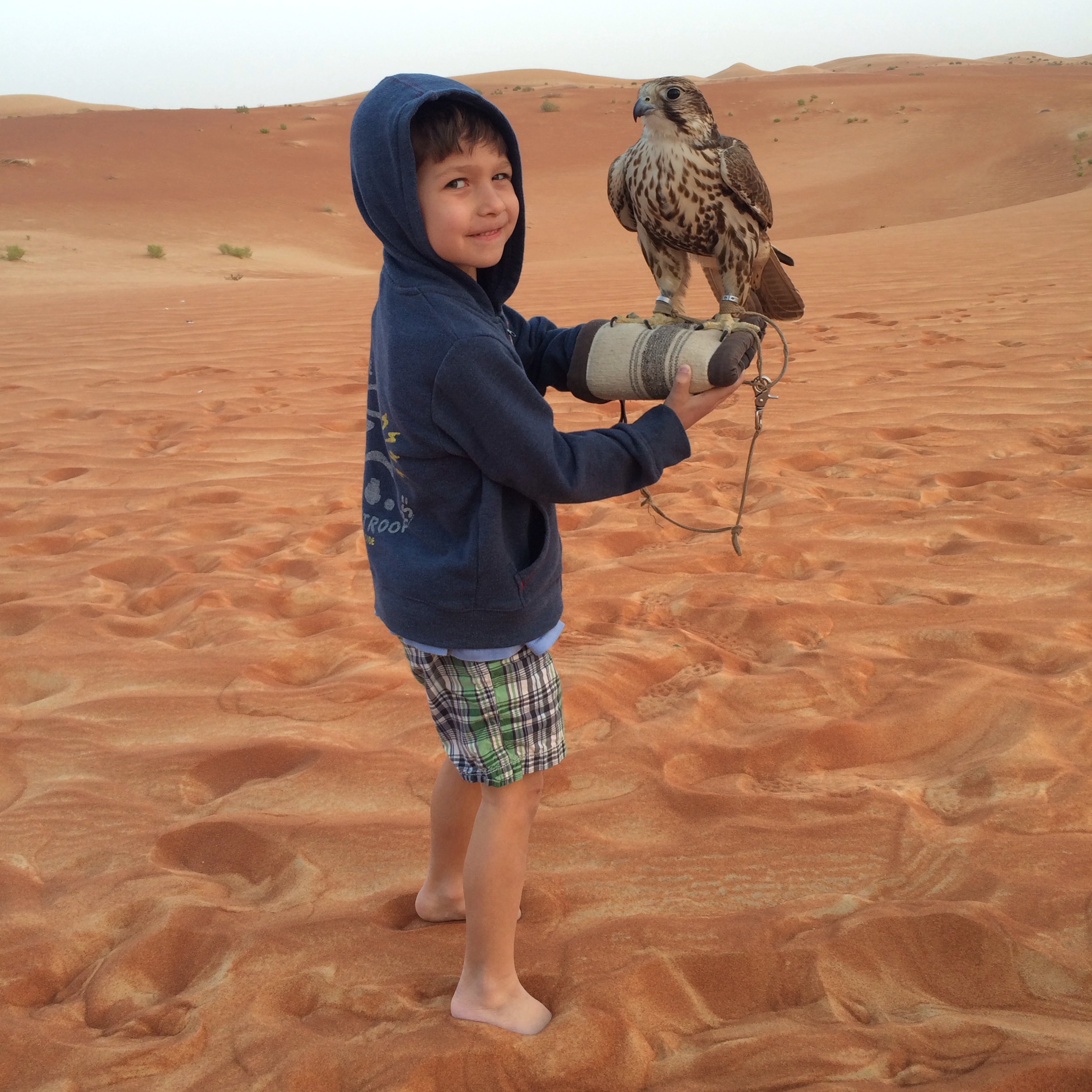
and look at that multi-colored sand
More fun in the sand : Sand boarding and sledding:
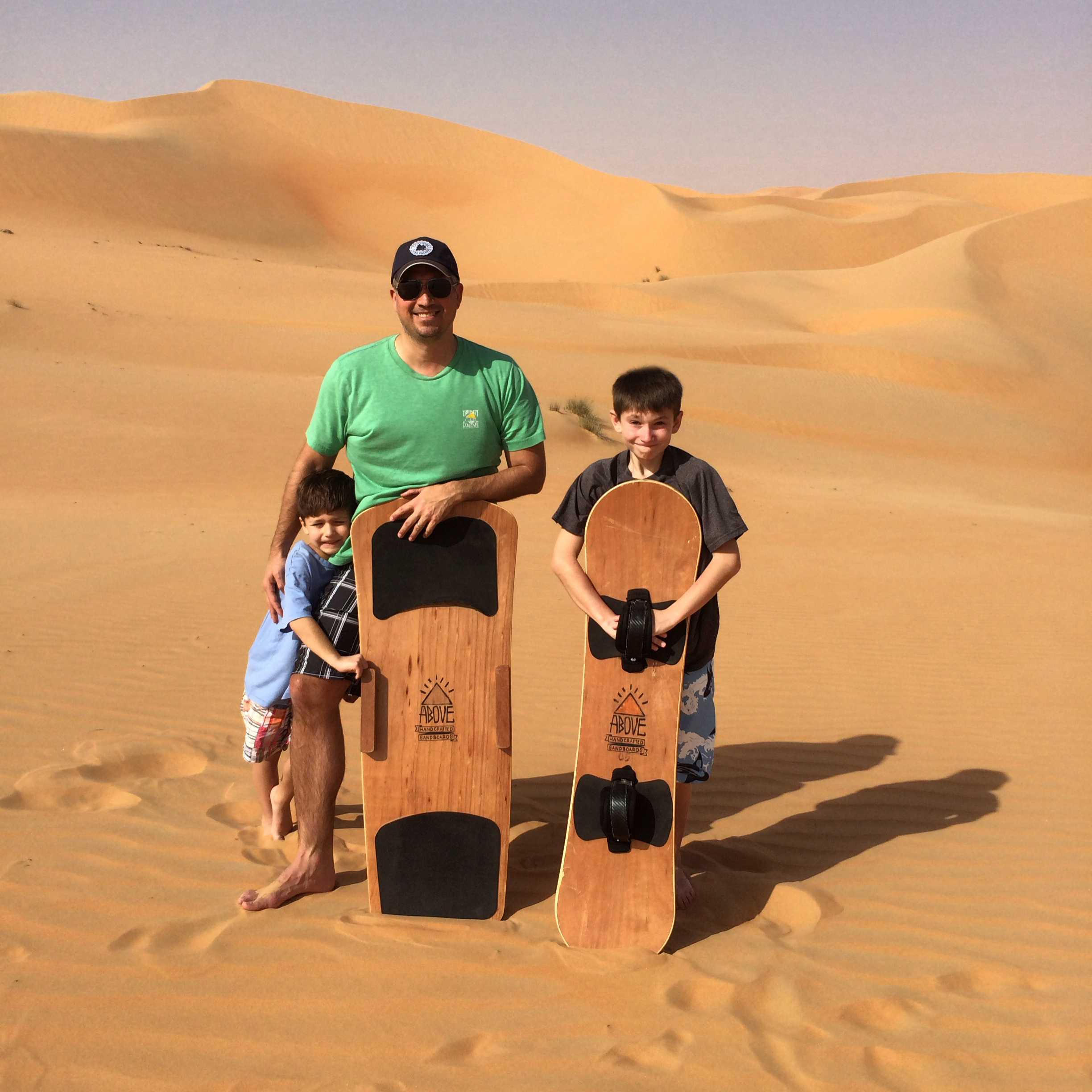
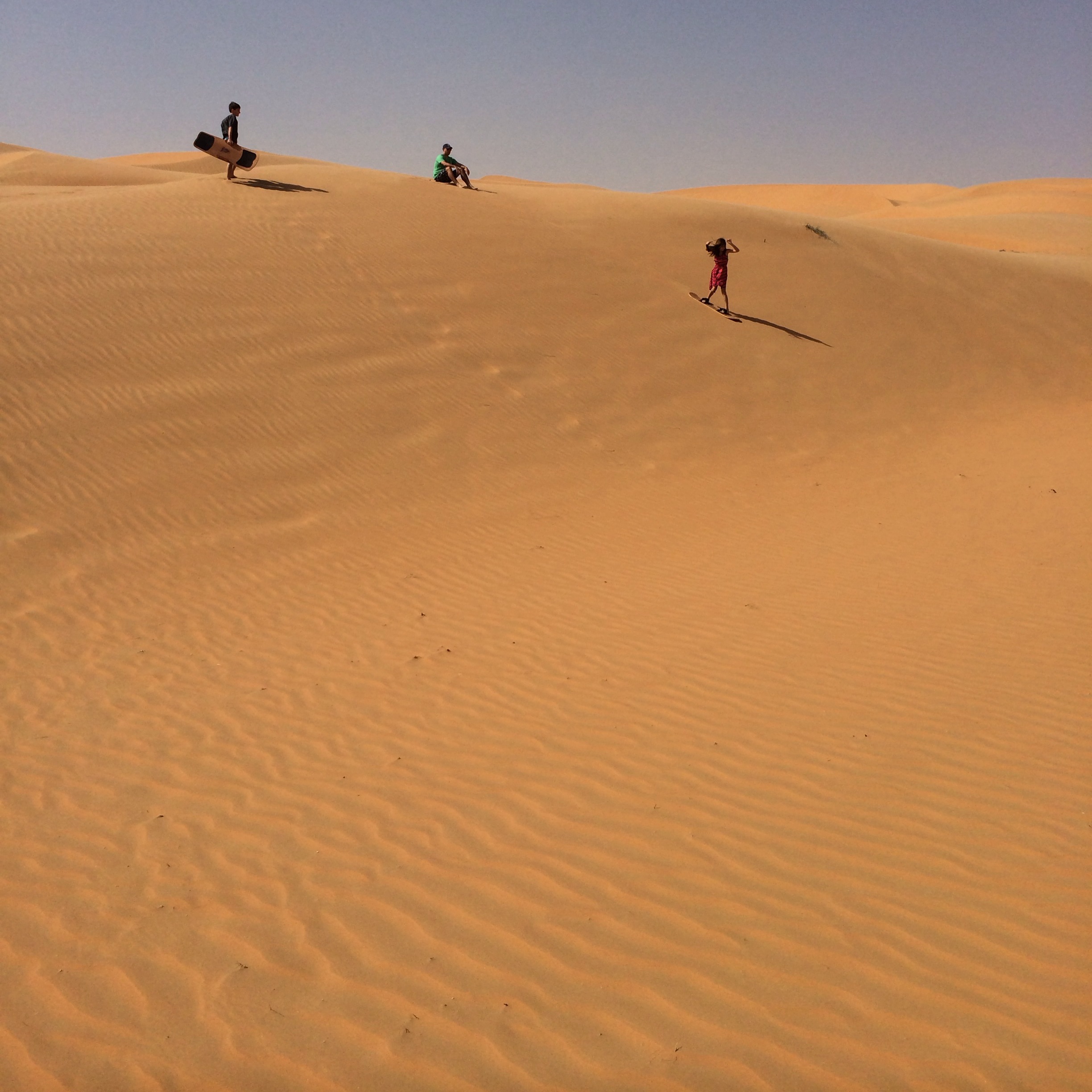

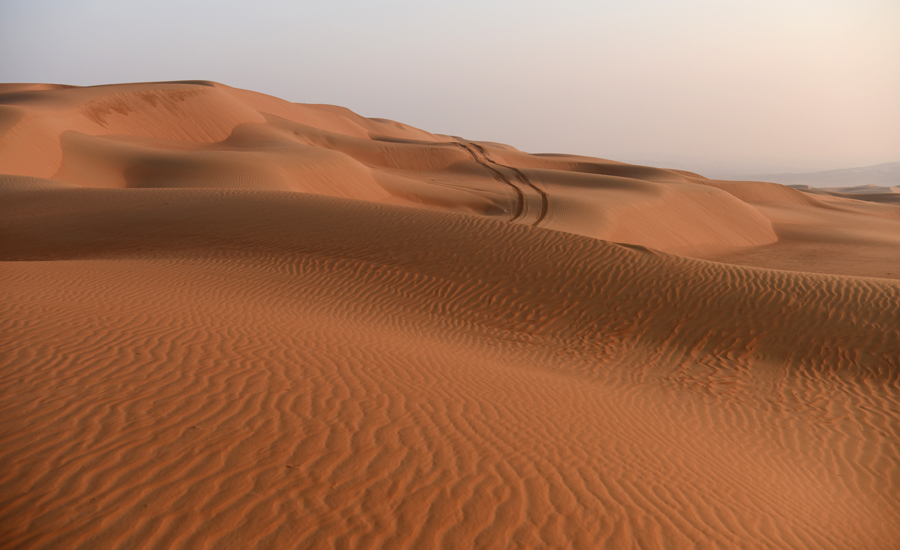
The ever-changing forms and colors of the Empty Quarter desert are mesmerizing, peaceful, and beyond magnificent:
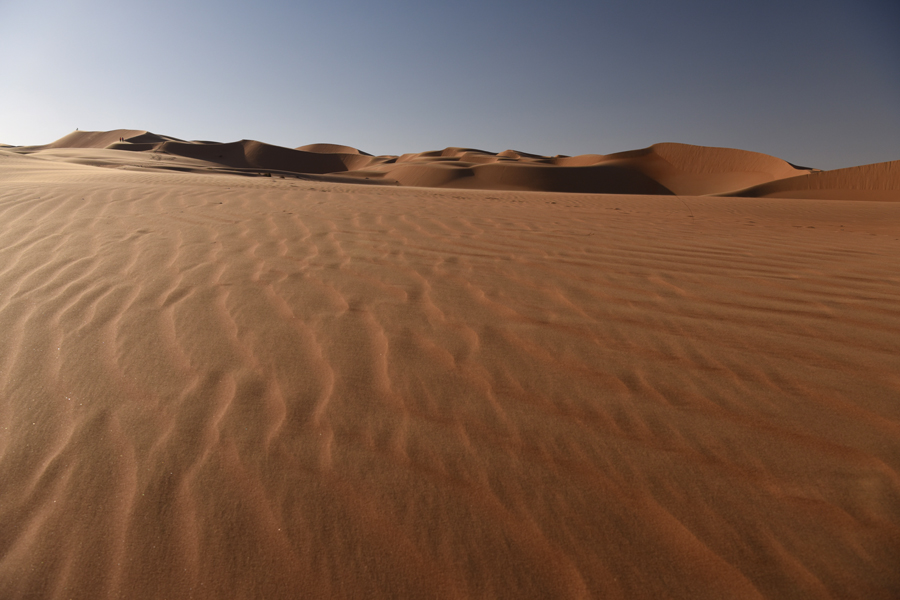
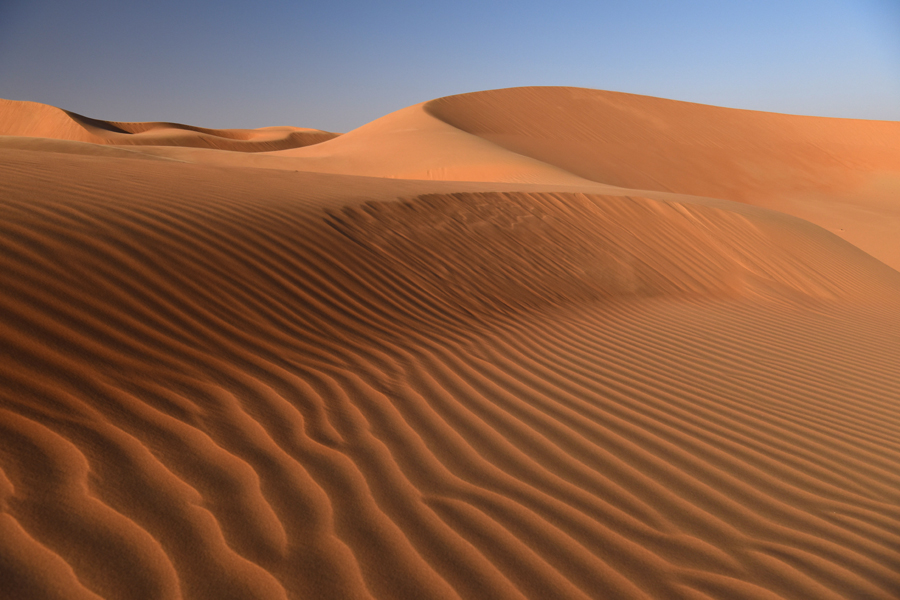
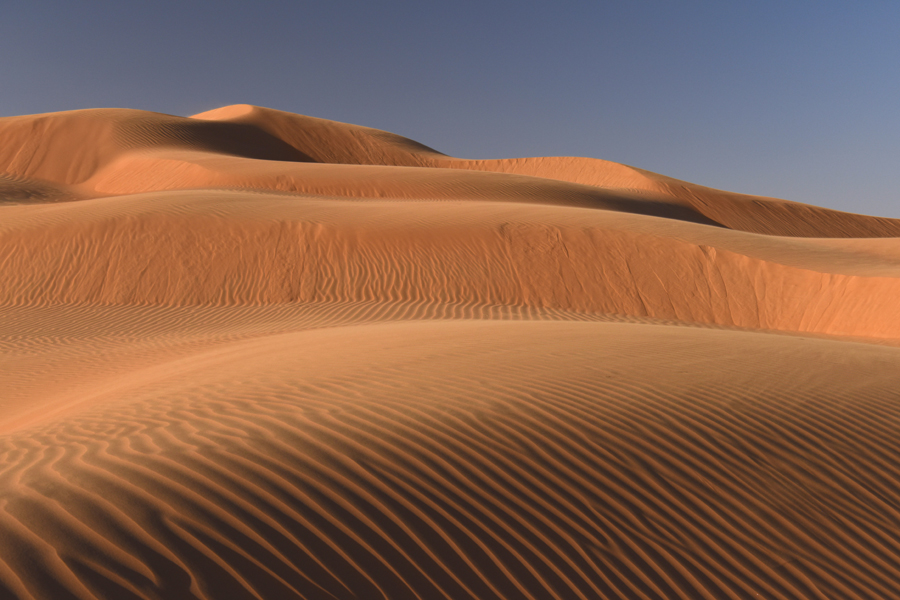
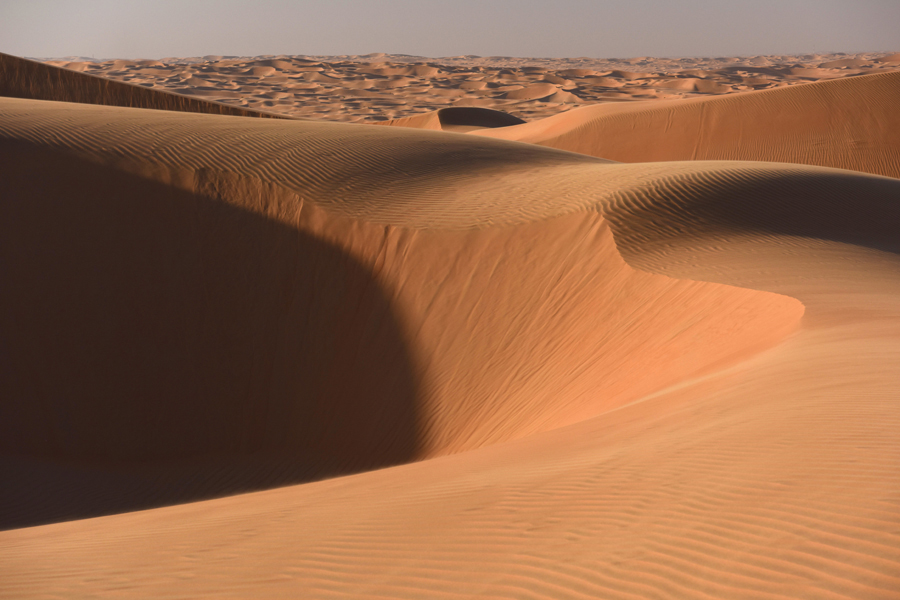
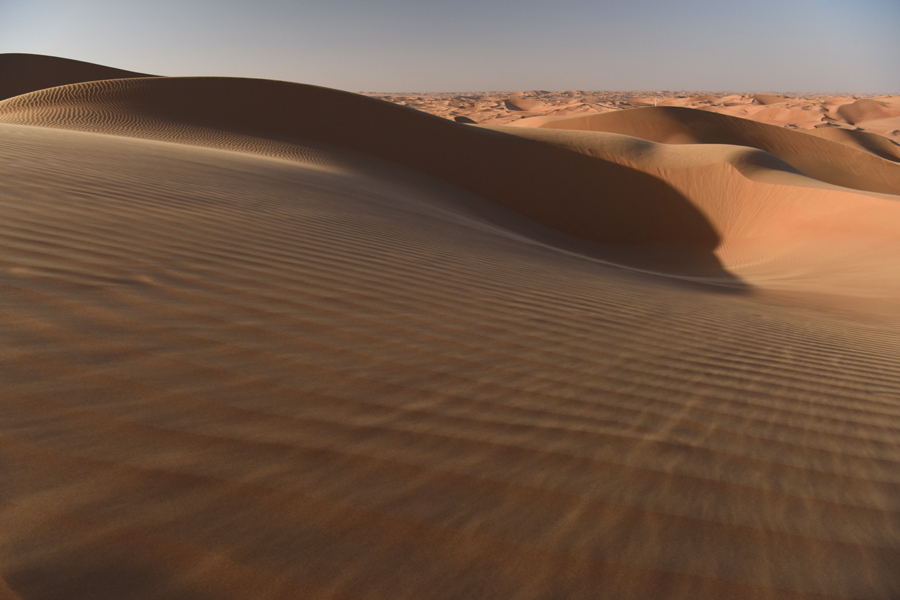
the wind is constantly whipping the sand and reshaping the landscape
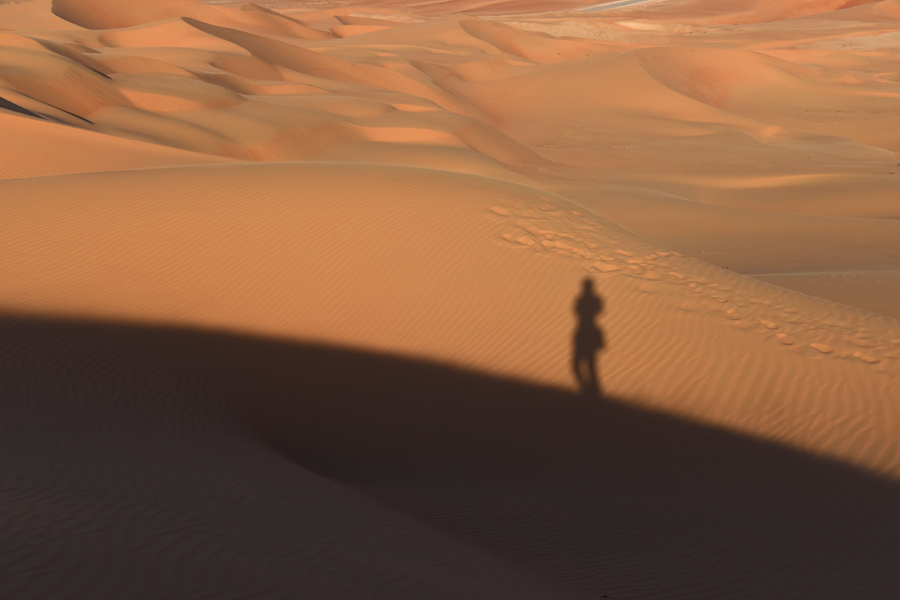
self-portrait at sunset
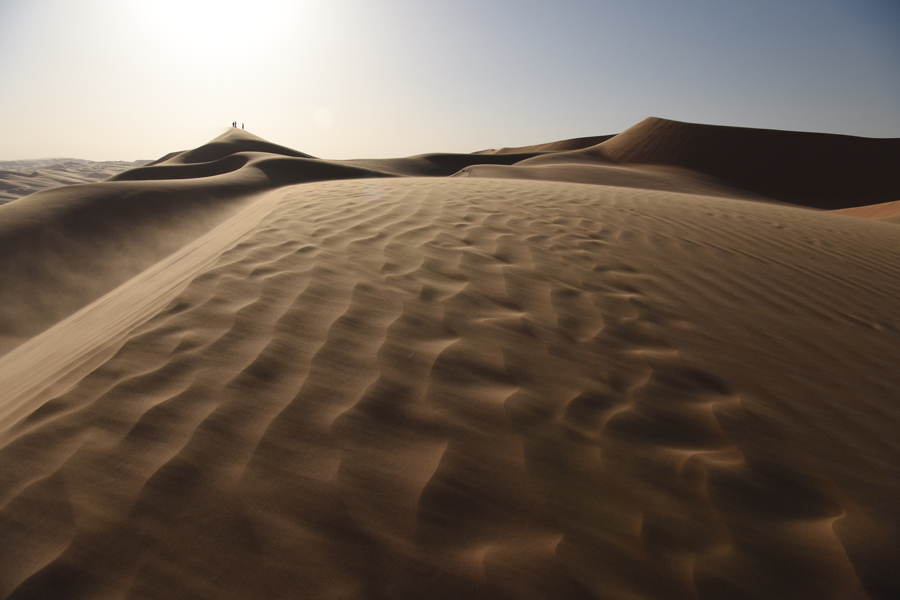
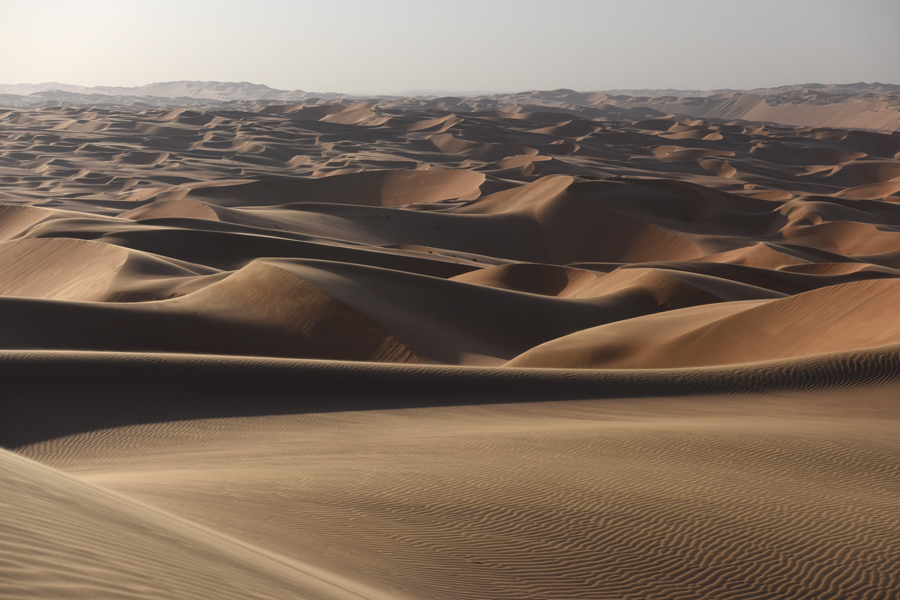
Reluctantly, we headed back to Dubai, making a quick stop in the city of Abu Dhabi for some more culture.
Built from 1996-2007 in hopes of uniting the cultural diversity within the Islamic world, the Sheikh Zayed Grand Mosque is just that: Grand. It’s one of the largest mosques in the world, elegant in every detail, and an architectural work of art.

The mosque features 82 domes…
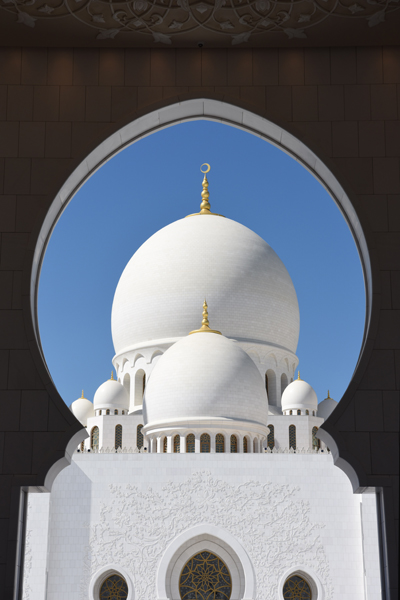
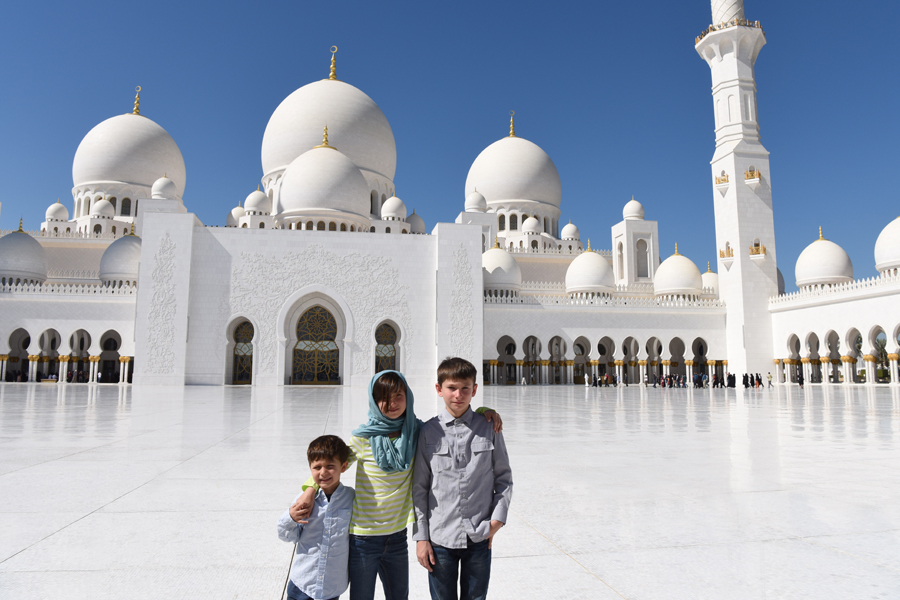
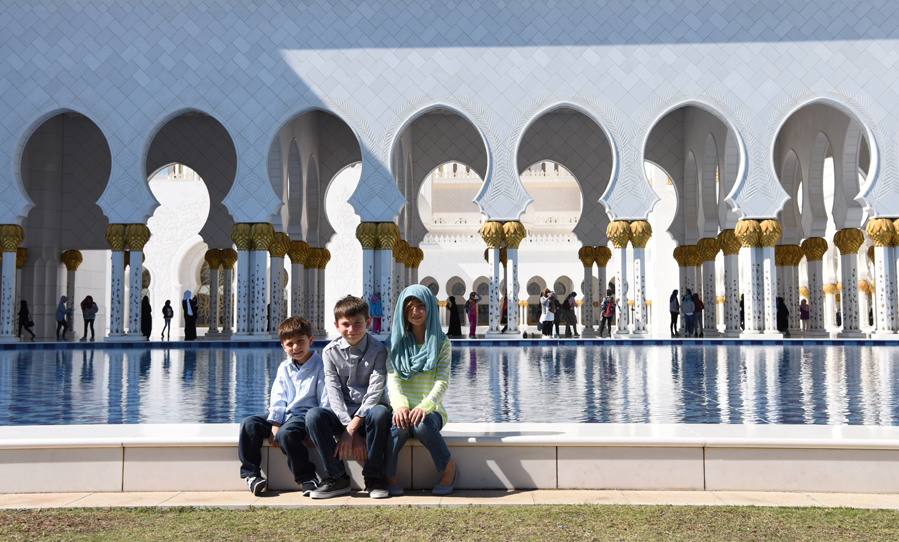
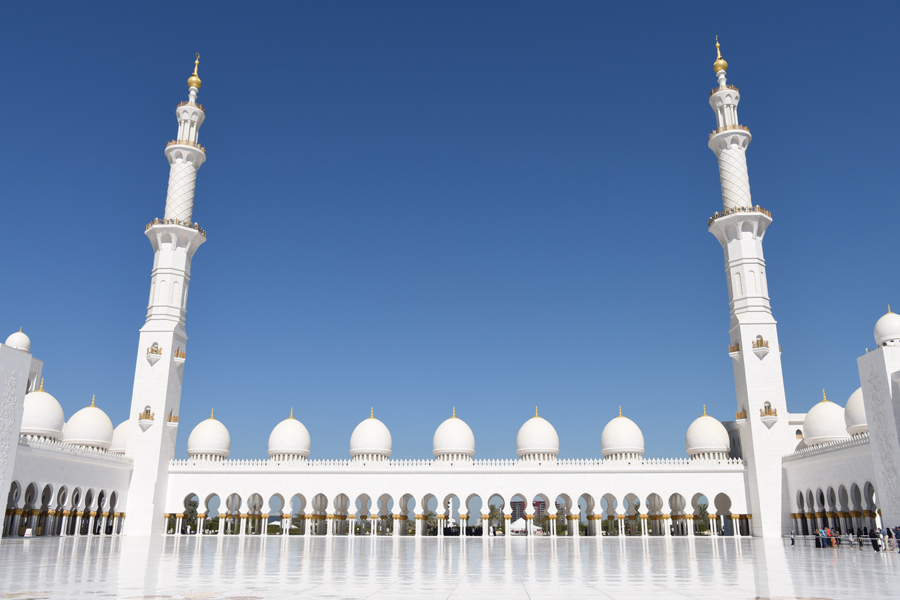
and over 1000 columns.
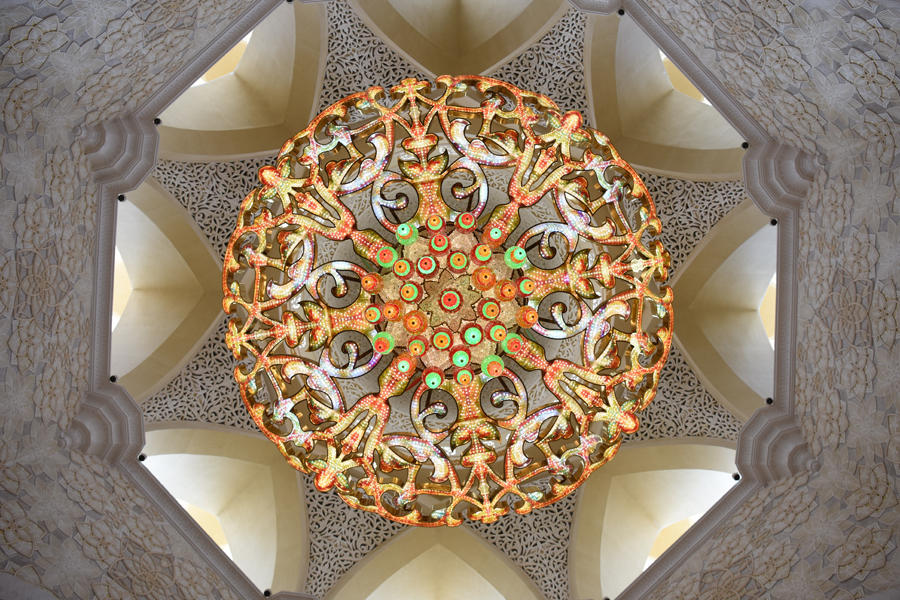
The rest of the trip was designated purely for fun. First stop, Ferrari World. Which is, of course, the world’s largest indoor theme park and hosts the world’s fastest roller coaster.

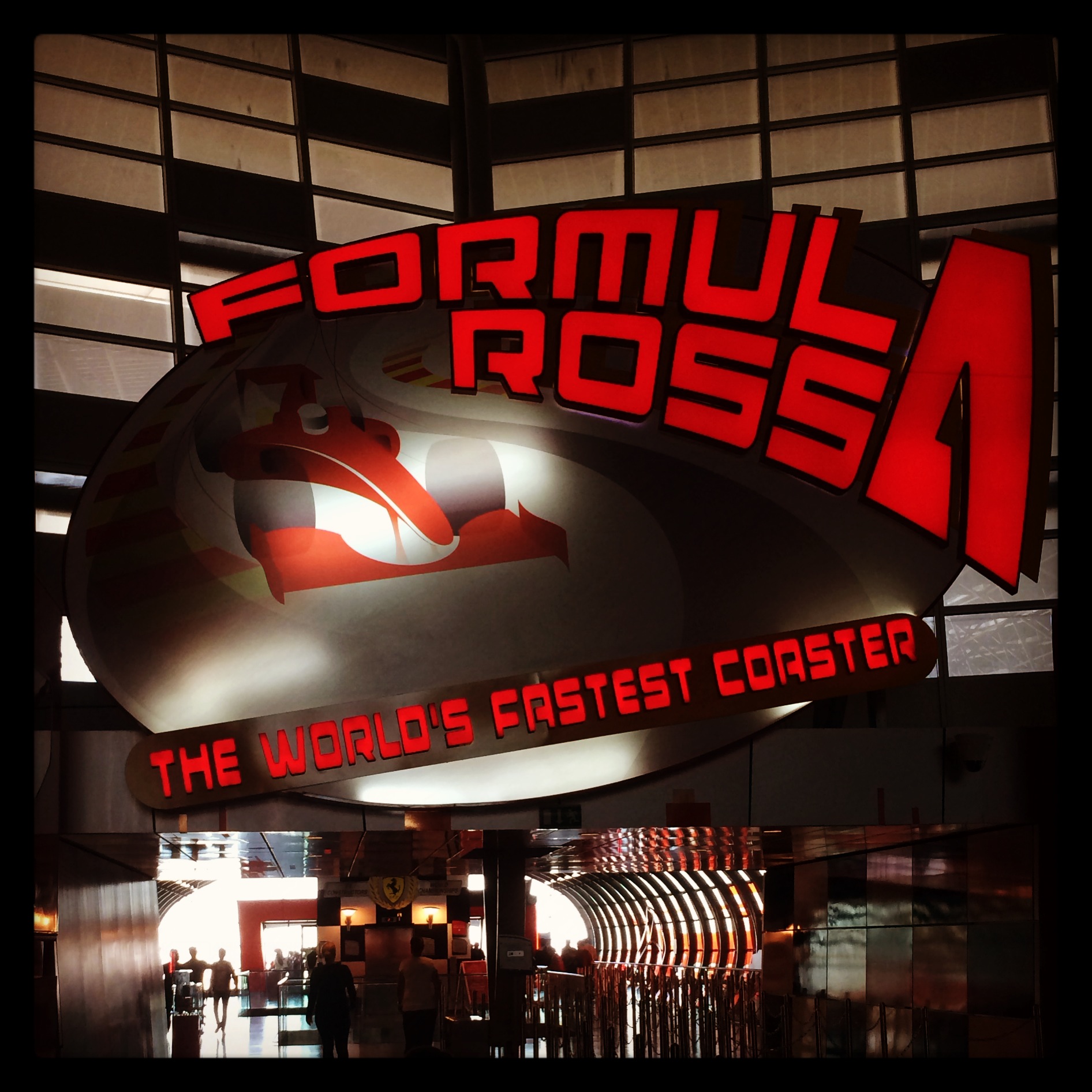
There are no photos of Kate and I riding this… for a reason. It was so fast I couldn’t even scream and the rest of the way I had to hold my head so it wouldn’t hurt. Crazy fast!
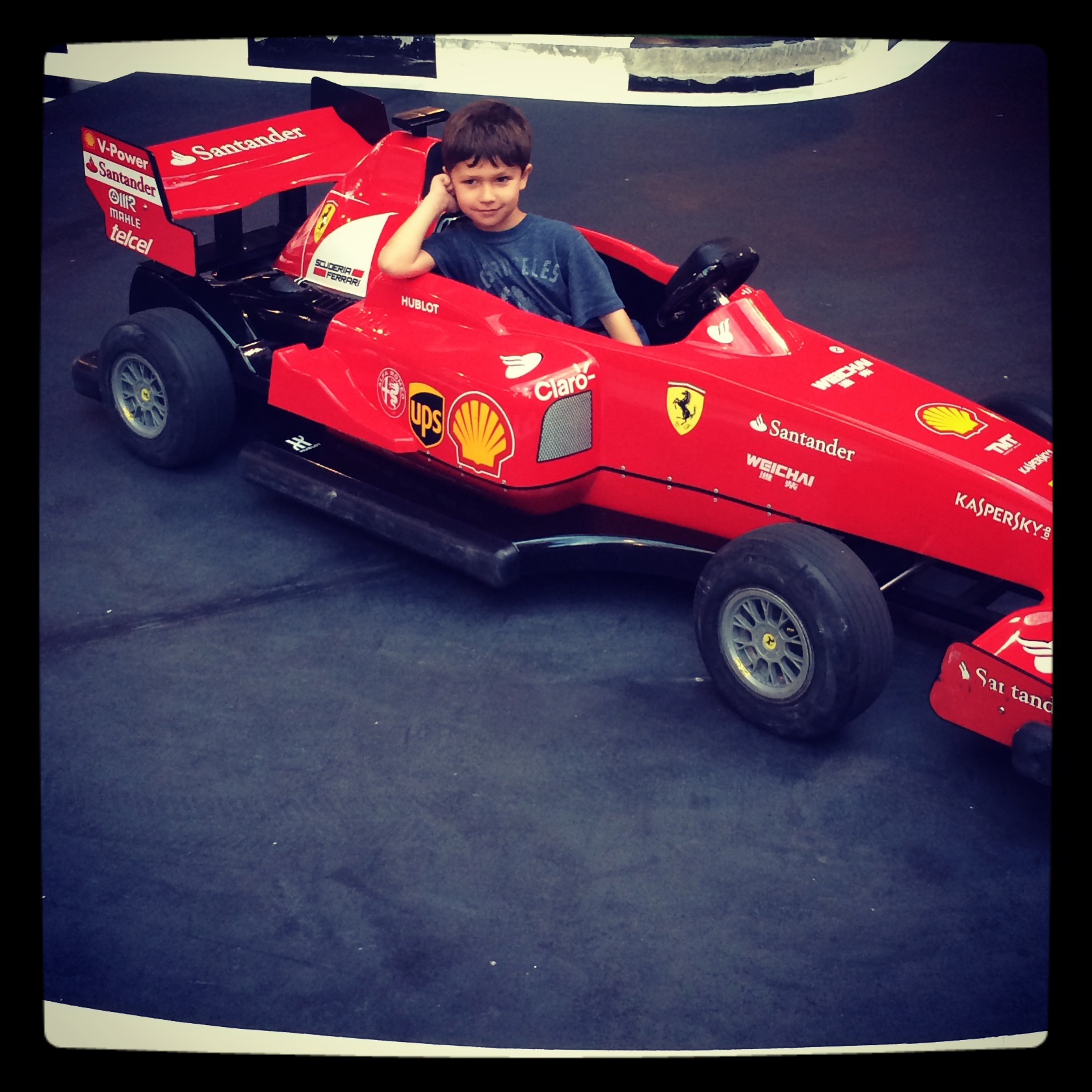
To this day, Luke talks about how he came in 1st at this “race.”
Our last stop in the UAE took us from the Arabian desert and transported us to the lost underworld of Atlantis. Located on the Palm Jumeriah man-made islands, we enjoyed our final days in Dubai surrounded by nothing but water. Here, at Atlantis, The Palm Hotel, we celebrated Jack’s 12th birthday with friends, conquered record-breaking water slides, and learned what it feels like to live and swim amongst the fish.
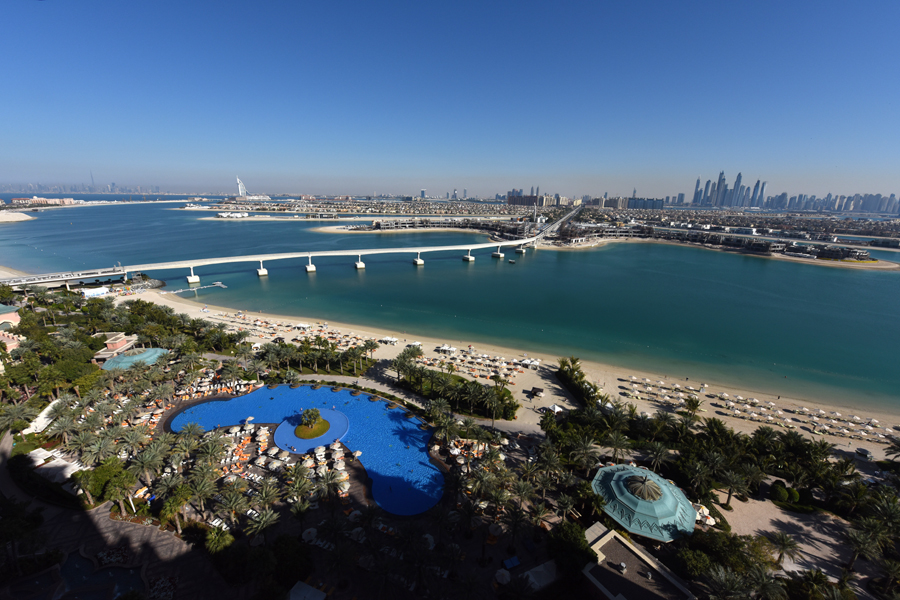
The panoramic Dubai view from Atlantis including the distant Burj Khalifa, Al Arab Hotel, and Palm Jumeirah.

One of the largest open-air aquariums with over 65,000 local marine animals from the Arabian Sea.
We were able to catch up with family friend, Jennifer and her husband, Shuja, who were able to provide another perspective about living in Dubai.
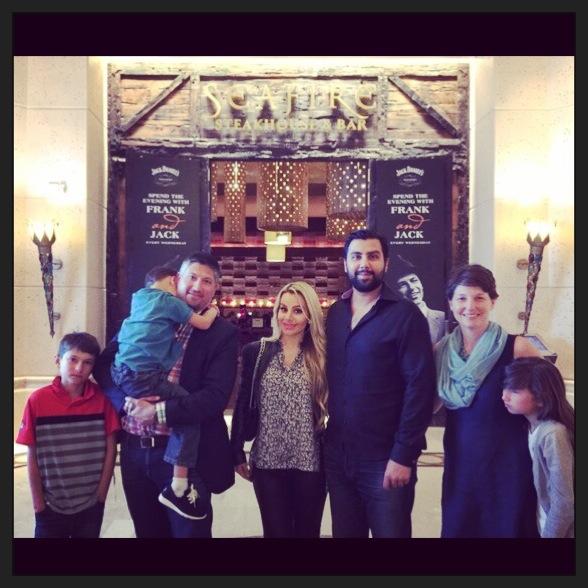
Truly, our kids only look unhappy because we had to wake them for this photo.
John, Jack, and Kate became fish within the aquarium.
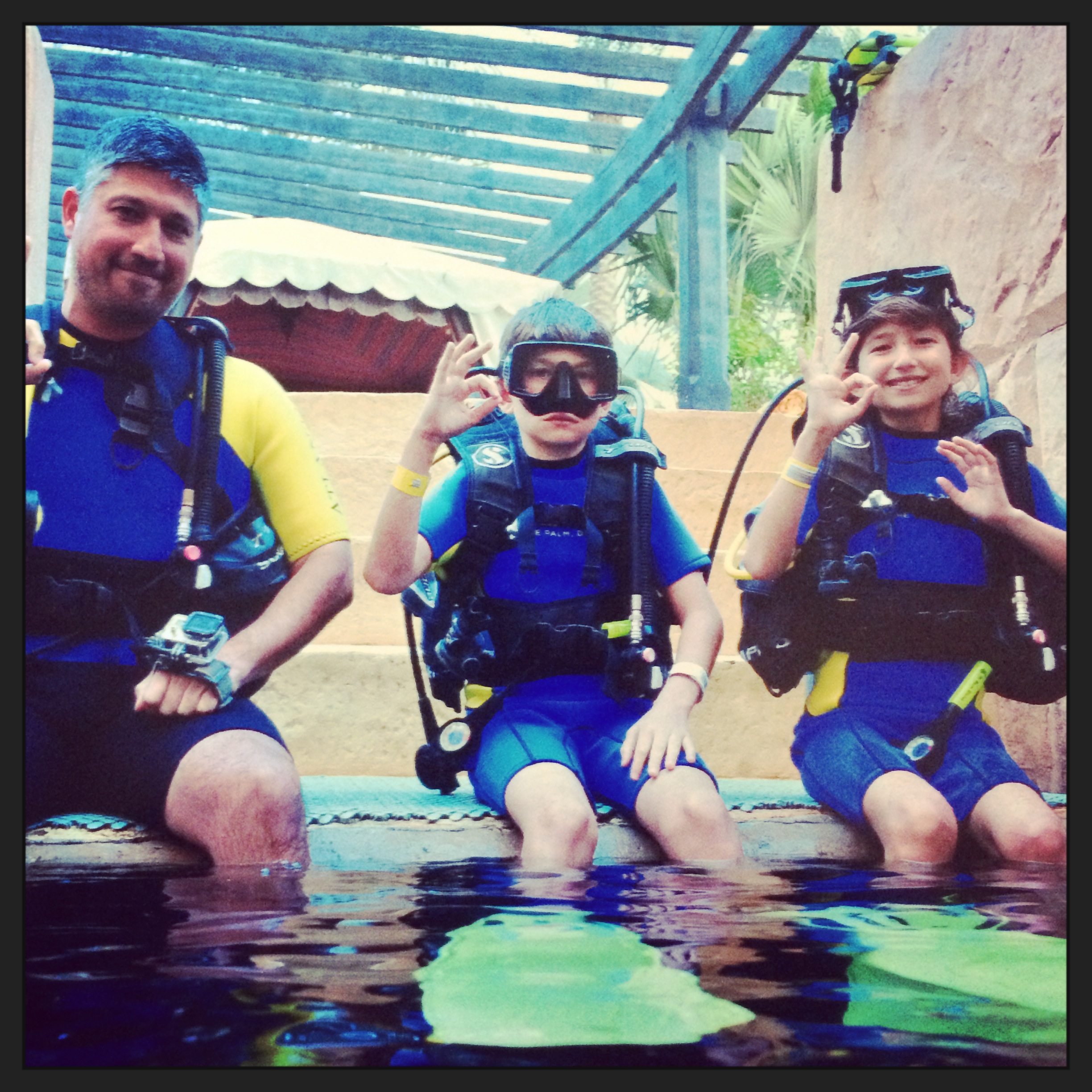
Ready to scuba dive.
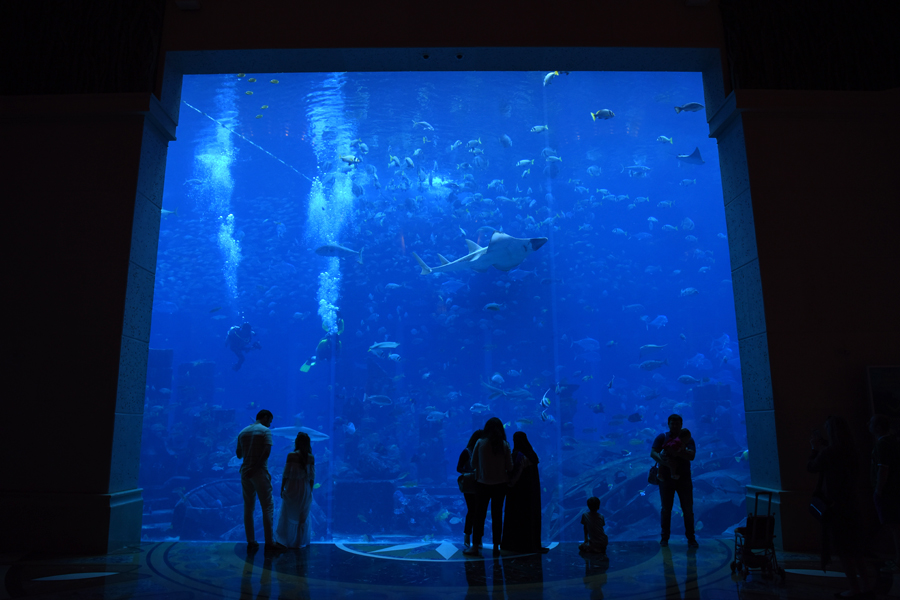
Luke (seated) watching John swim in the aquarium.
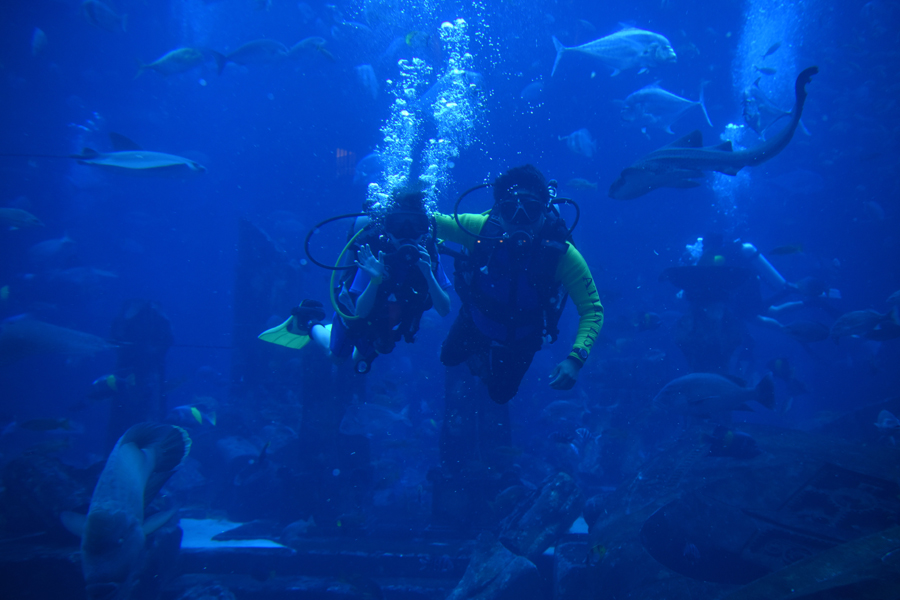
Kate
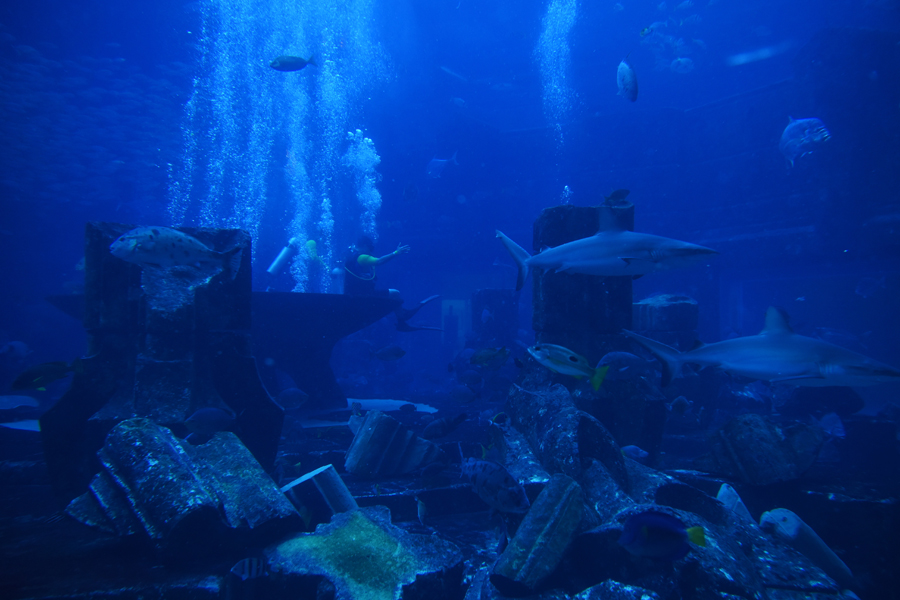
John
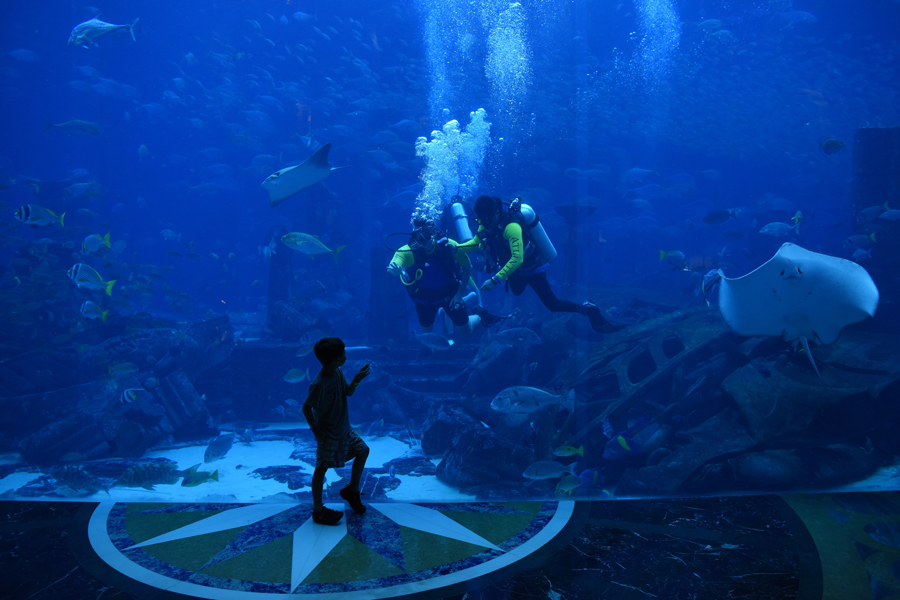
John fist-pumping Luke through the glass.
We fell in love with this part of the world. We came home with sand in our pockets, loads of fresh spices, an Arabian Dallah coffee set (thank you Jennifer and Shuja), and a new understanding of the Middle East. A very meaningful and splendid start to our Year of the Monkey.
Xīn Nián Kuài Lè! (新年快乐!)
 ourshanghaidays