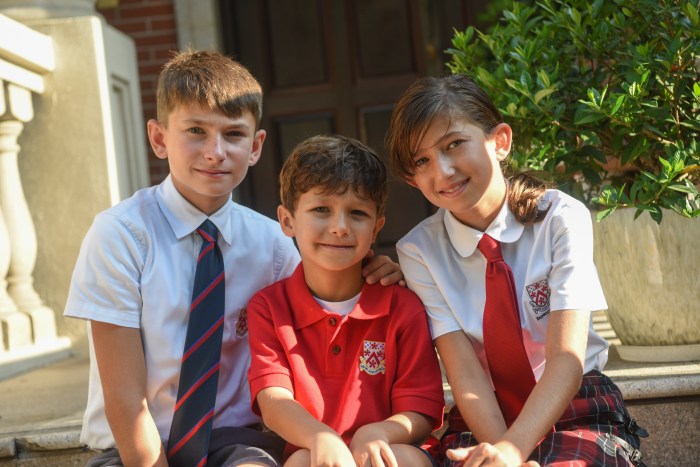
And back to school for these three.
But this time, we landed in Shanghai with family.
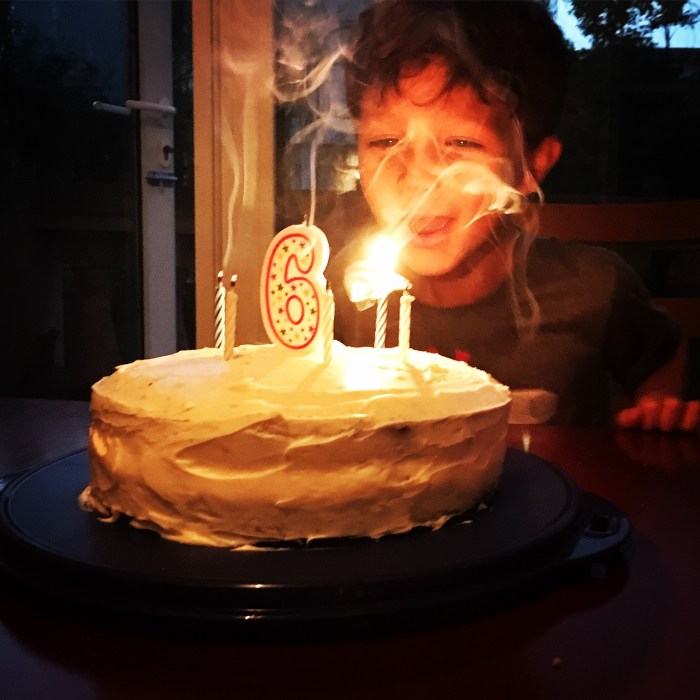
And Luke was the lucky one, yet again, to celebrate his actual birthDAY with loved ones in person.
Jack and LuLu had seen the surface of Shanghai on their first trip. Two years later, we were excited to share the heart of Shanghai with them: It’s culture, narrow lanes, people, food, and stifling summer heat.
Confucian Temple: Shànghǎi Wénmiào
Confucius remains one of the most influential persons in Chinese culture. Born in 551 BC in Qufu, Kong Qui was a philosopher, teacher, and political figure whose goal was to reinforce societal values of compassion and tradition during a time of ideological crisis and moral decline within China. His teachings, preserved in The Analects, focused on creating ethical models of family and public interaction as well as setting standards for education. Confucianism became the Chinese imperial philosophy after his death in 479 BC.
Situated within one of Shanghai’s few surviving old neighborhoods, Shànghǎi Wénmiào is the only temple in the city dedicated to this great leader. Built during the Yuan Dynasty (1271-1368), it served as both a temple and school and was the most prestigious learning institution within what was then a small fishing village called Shanghai. It suffered great damage during the Cultural Revolution, but was renovated and remains a quiet, hidden gem surrounded by massive urban construction.
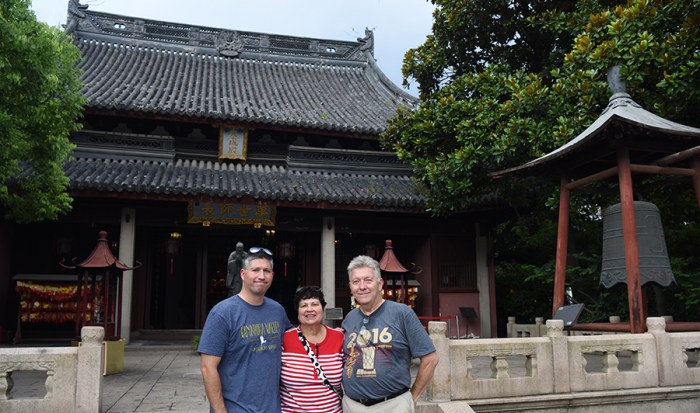
Shanghai Confucian Temple : Dacheng Hall
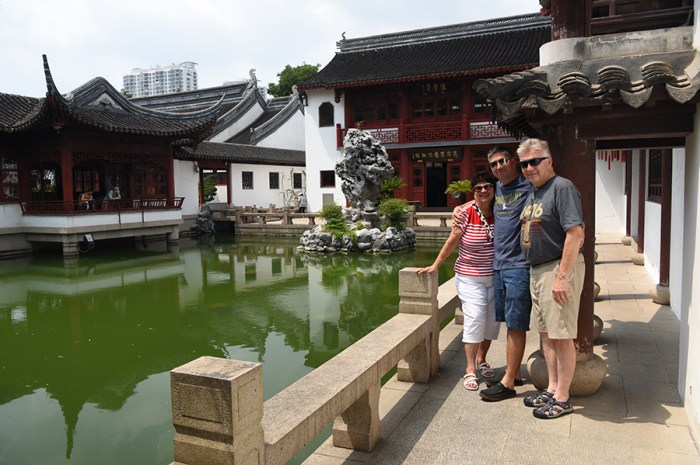
Panchi Pond
To receive a blessing from Confucius, one tradition is the hanging of prayer cards on which people write their wishes and hang from tree branches.
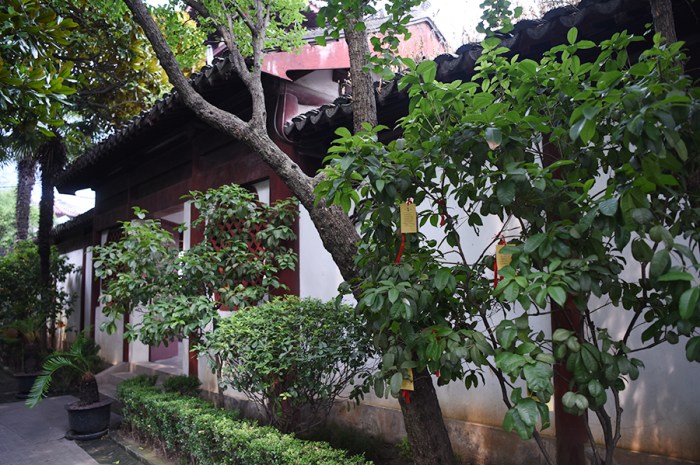
Our ‘Wish Tree’ containing the personalized yellow prayer cards we hung using red ribbons within the trees of the Shanghai Confucian Temple.
Traditional Chinese Medicine: 中医 : Zhōngyī
Originating in ancient China, TCM has evolved over thousands of years. Today, it’s practitioners use herbal remedies as well as various mind and body practices, such as acupuncture and cupping, to treat and prevent health problems.
For anyone suffering from chronic pain, a visit to a Chinese medicine doctor is worth the try… at least, that’s how we sold the idea of visiting the doctor to John’s dad.
On the 5th floor of a random apartment complex, we met with our Chinese Medicine Doctor, 東俊作. Along with translators, we waited with trepidation and intrigue in a small room filled with tables where patients lay inspecting us with curiosity (as well as talking about us).
Jack was then seated across from the doctor. To make a health diagnosis, TCM practitioners read a patient’s pulse to gain insight into his/her overall well-being.
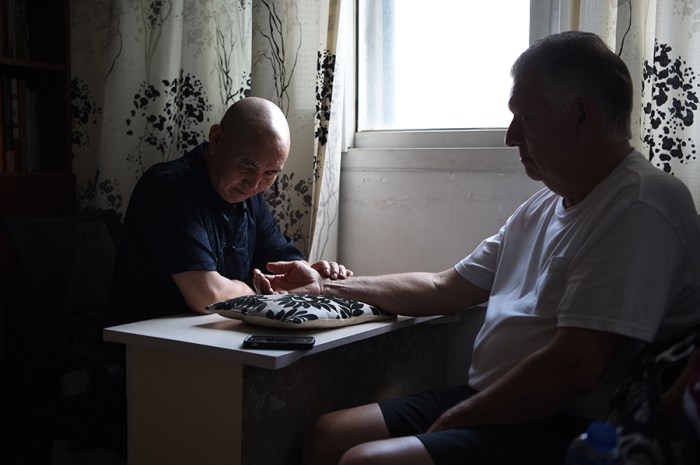
Beside a window providing the only light for the small room, the doctor does a pulse diagnosis.
After a few minutes of close attention to Jack’s pulse, the doctor was able to identify ailments without any prior knowledge of his medical history. Fascinating.
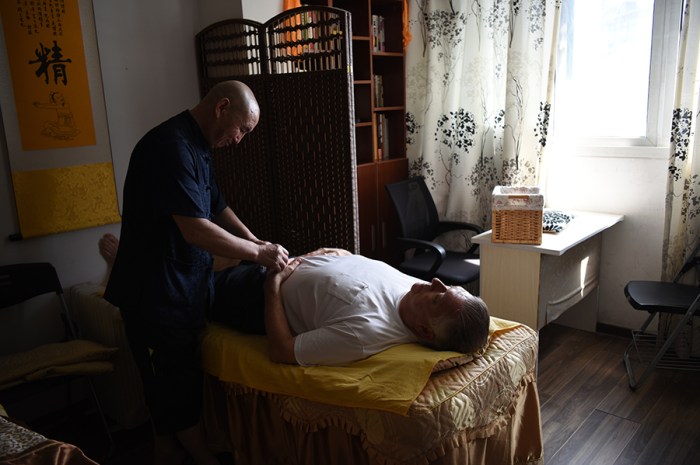
The treatment suggested: Acupuncture
The Original Shanghai:
The Huangpu District in Shanghai is one of the most densely populated urban areas in the world. It is also one of the fastest changing with construction evident on every corner. Old is being replaced with new. Although Shanghai has an ancient history, it can be difficult to find anything that hasn’t been replaced or made for tourism.
Within this Huangpu District, there is an area which remains the historical core of Shanghai. This area, once known as the Nanshi District, contained the original walled city.
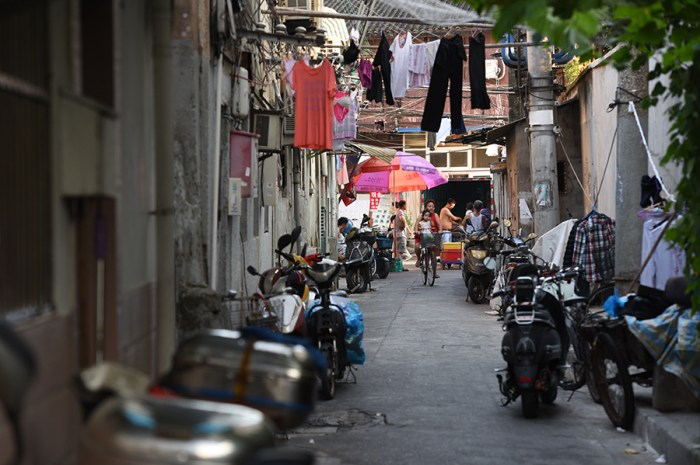
A lot of history can be found walking the narrow lanes of this district. In particular, lies a magnificent family manor that remains walled with courtyard upon courtyard. It is an architectural gem handed down for centuries and represents a traditional wealthy home from Shanghai’s forgotten past.
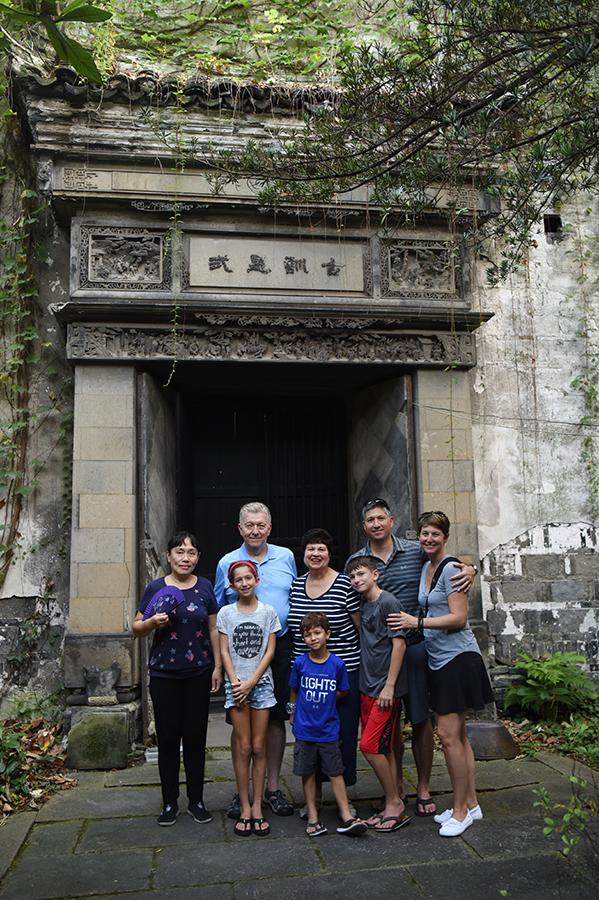
Inside the Guo Family Manor with Ms.Guo.
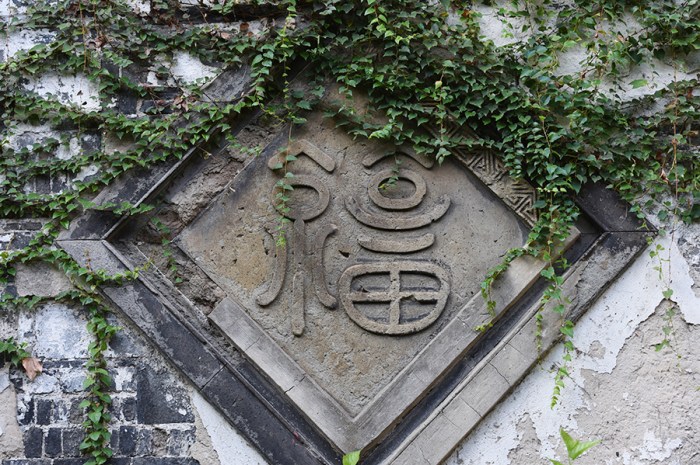
Happiness: 幸福: xìngfú
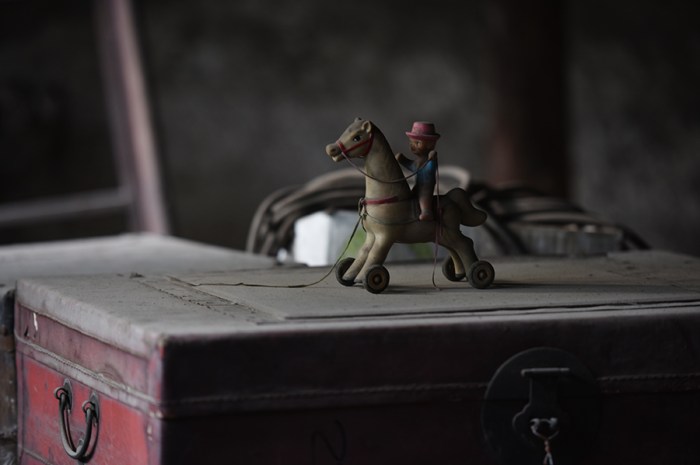
During the Cultural Revolution, the Guo Family home was apprehended by the government and temporarily became a factory to produce small rubber toys.
The Shanghai of Today:
The Shanghai of today exists as a unique blend of modern and traditional cultures, architectures, and cuisine. Beyond the walls of these residential homes, Shanghai has grown in every direction: north, east, south, west, below the earth, and into the clouds.
LuLu’s favorite may be what they’ve built underground in Shanghai: The Fake Market.
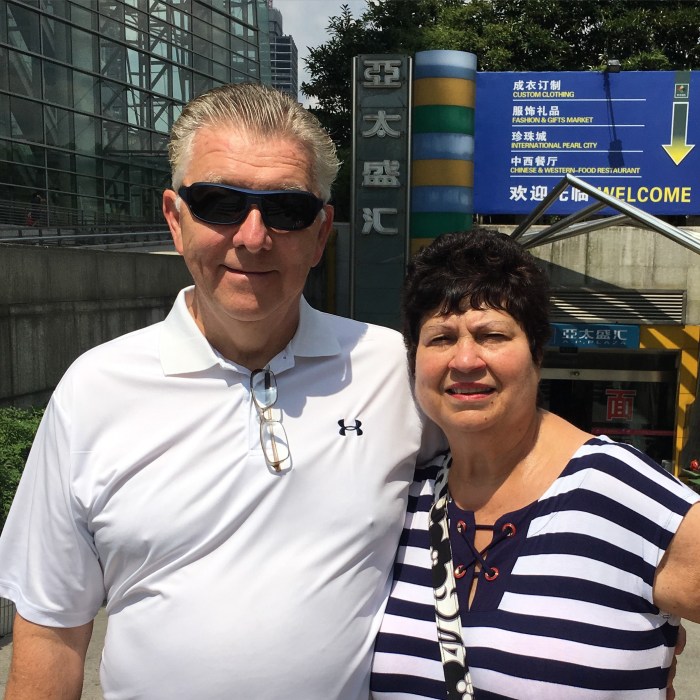
It’s safe to say that, now, even people in China know LuLu.
The Shanghai Tower:
Eight years after construction began, the Shanghai Tower opened it’s doors to the public this summer. Nestled in the Pudong financial district, this mega-tall skyscraper is the second tallest building in the world and is home to the highest observatory in the world.
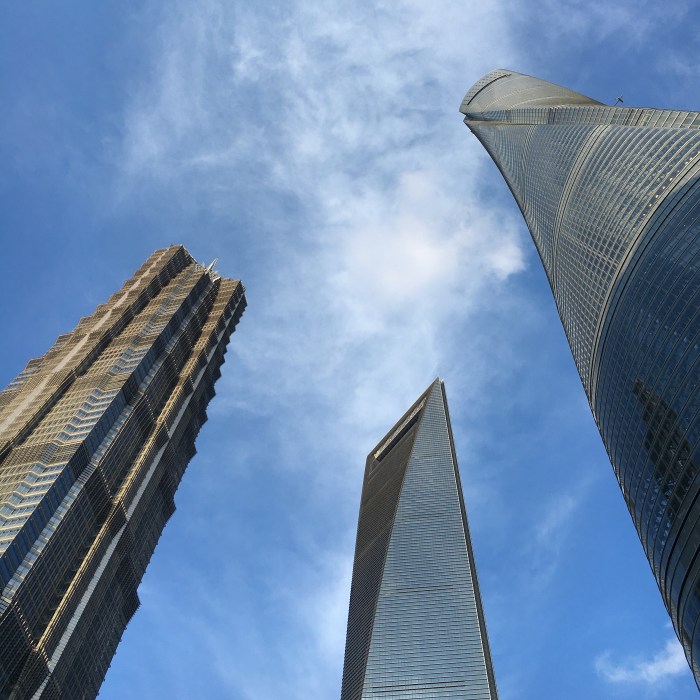
The Shanghai Trio: Jinmao Tower, World Financial Center, & Shanghai Tower
The elevators to the observation deck travel .7 mile a minute (42 mph), the highest speed ever attained by a passenger elevator.
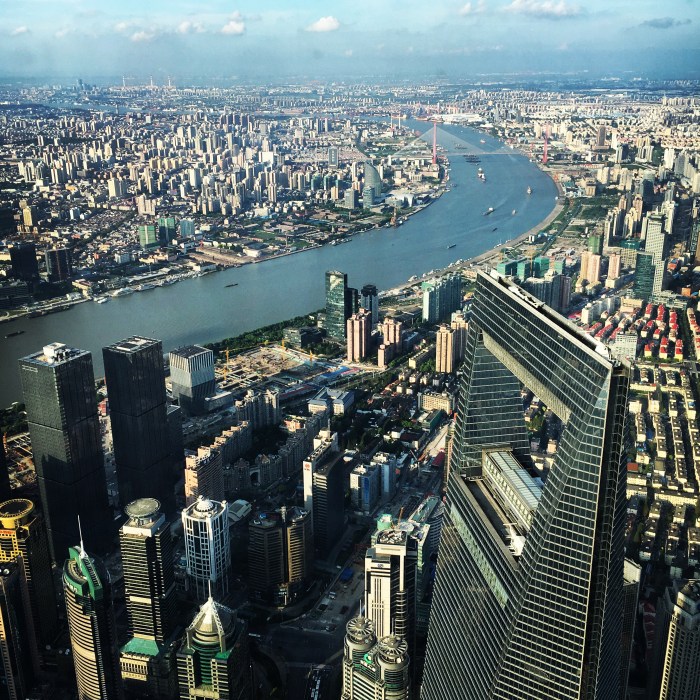
View from 119th floor overlooking the World Financial Center and Huangpu River
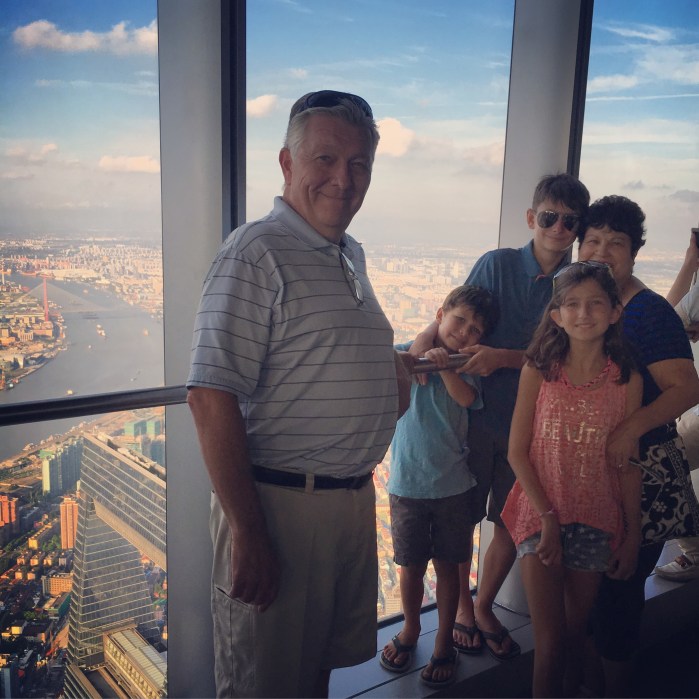
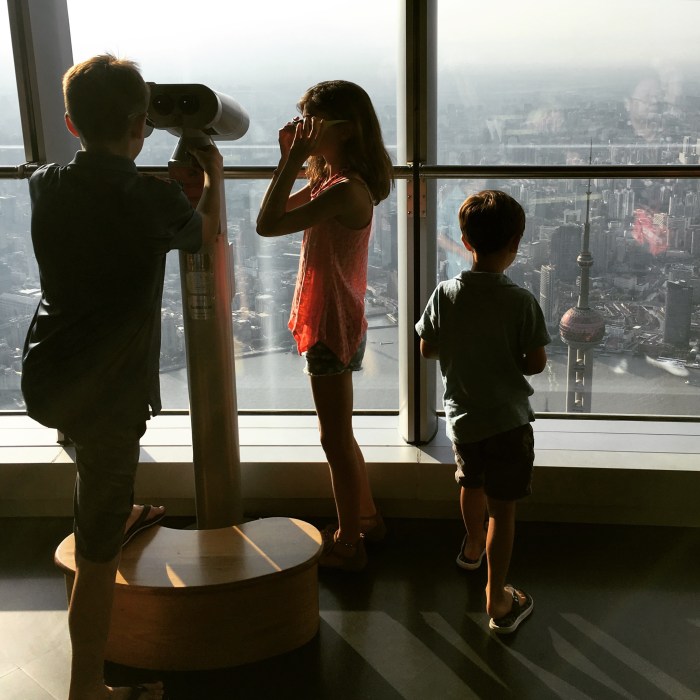
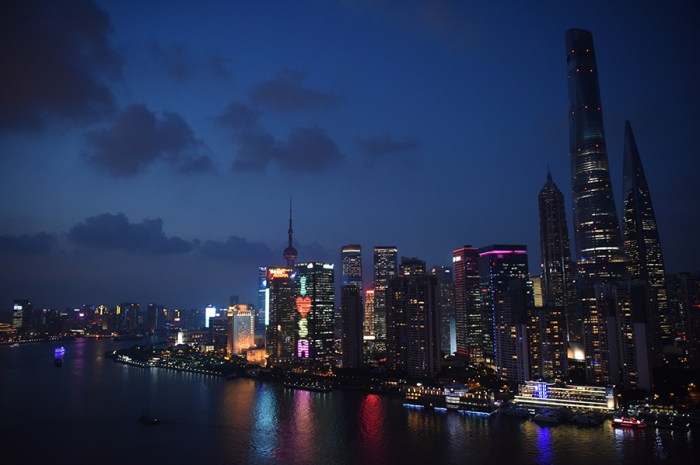
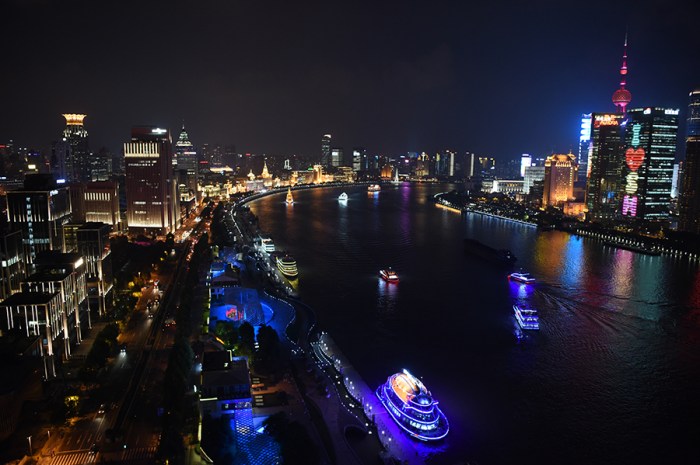
Shanghai is also home to world-reknowned chefs who showcase their meals in a multitude of restaurants overlooking the Bund.
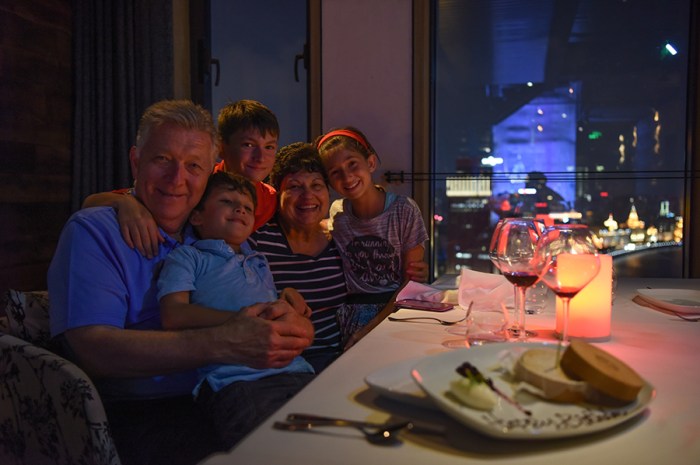
We celebrated Papa’s birthday at Char.
We are so grateful that we could experience the Shanghai of many centuries together. This beautiful, ancient, new, gritty, vibrant city has many faces. But, I do believe it showed you it’s finest while you were here. Thank you for bringing out the best in Shanghai.
 ourshanghaidays
Great job Julie❤️❤️❤️
Sent from my iPad