The Outback.
The Southern Land. (Terra Australis)
The Land Downunder.
The Lucky Country.
The Land of Plenty.
Aussie.
Straya.
Australia.
Comparable in size to the USA, Australia is also the world’s largest island, smallest continent, and the sixth-largest country that is divided into 2 territories and 6 states, each with its own capital: Australian Capital Territory (Canberra), Northern Territory, New South Wales, Victoria, Queensland, Western Australia, South Australia, and Tasmania.
It is the lowest, flattest, and driest (besides Antarctica) continent with climates ranging from dry desert to tropical rainforest to snow-capped mountains. With the driest portion being inland desert outback, it is estimated that 82% of Australia’s population lives along it’s coastline.
With the oldest continuous culture on earth, Australia was first occupied by it’s aboriginal people 50,000 years ago. British explorers, led by Captain Cook, arrived in 1770 and soon claimed this “land south of Asia” for Britain. Colonization of the east coast soon began with Britain’s first fleet landing on January 26th, 1788 in Sydney Harbor. For the next 80 years, not only did settlers begin to arrive by boat, but Britain used Australia as a shipping ground to send more than 160,000 convicts. It wasn’t until January 1st, 1901, that a constitution was instated to create the nation of Australia.
229 years after the arrival of Britain’s first fleet, the Pawlowski’s set foot in Sydney Harbor to welcome in the Year of the Rooster and begin our exploration of Australia’s east coast.
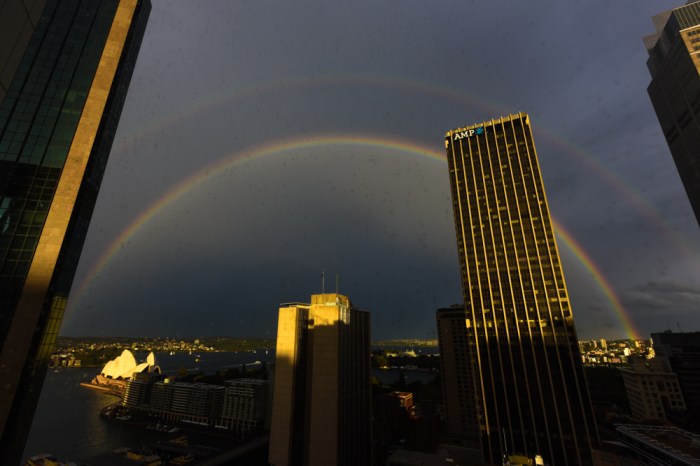
And we were welcomed with a double rainbow over Sydney Harbor.
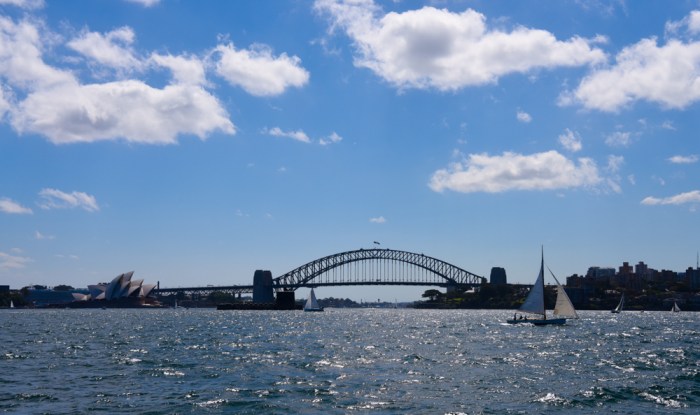
Along with downtown Sydney, many homes, beaches and parks dot the 150 miles of shoreline surrounding the harbor.
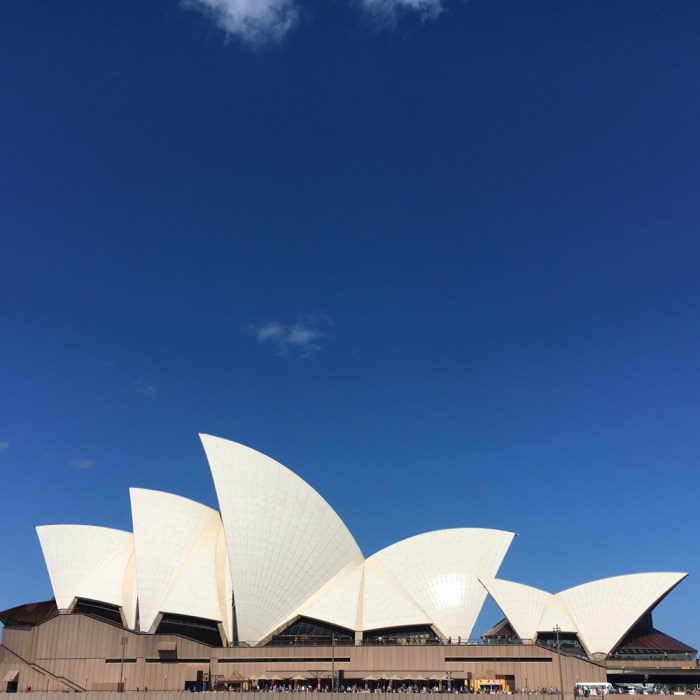
Completed in 1973, the billowing sail-like shelled roof design of the Sydney Opera House provides a visual link between the shelled harbor shores and yacht-scattered waters.
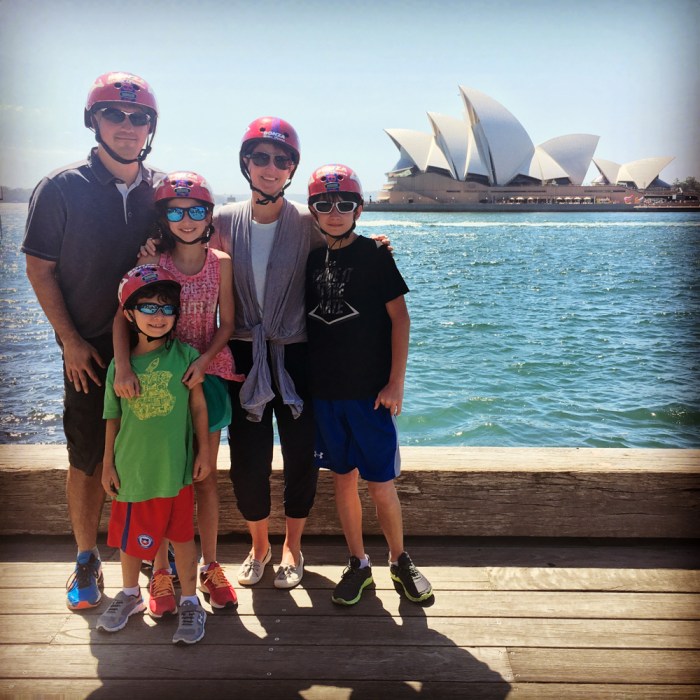
We biked around the harbor, through the parks, and across the Sydney Harbor Bridge.
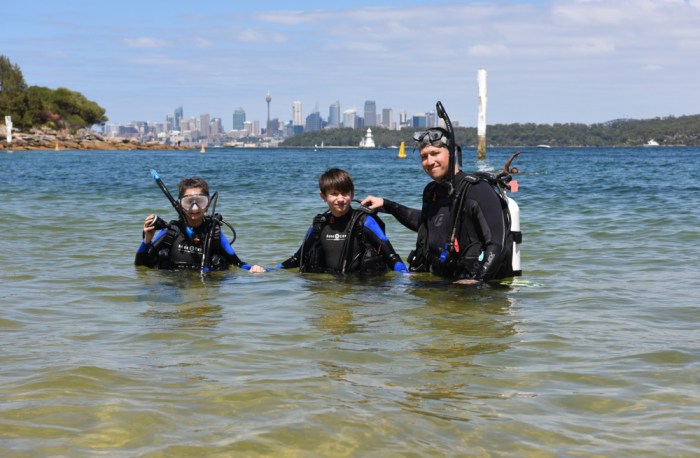
The cold waters of Sydney Harbor also marked the commencement of Scuba Diving Certification for John, Jack, and Kate:
We ended our time in Sydney with a free Sydney Opera concert in the park and a movie under the stars…
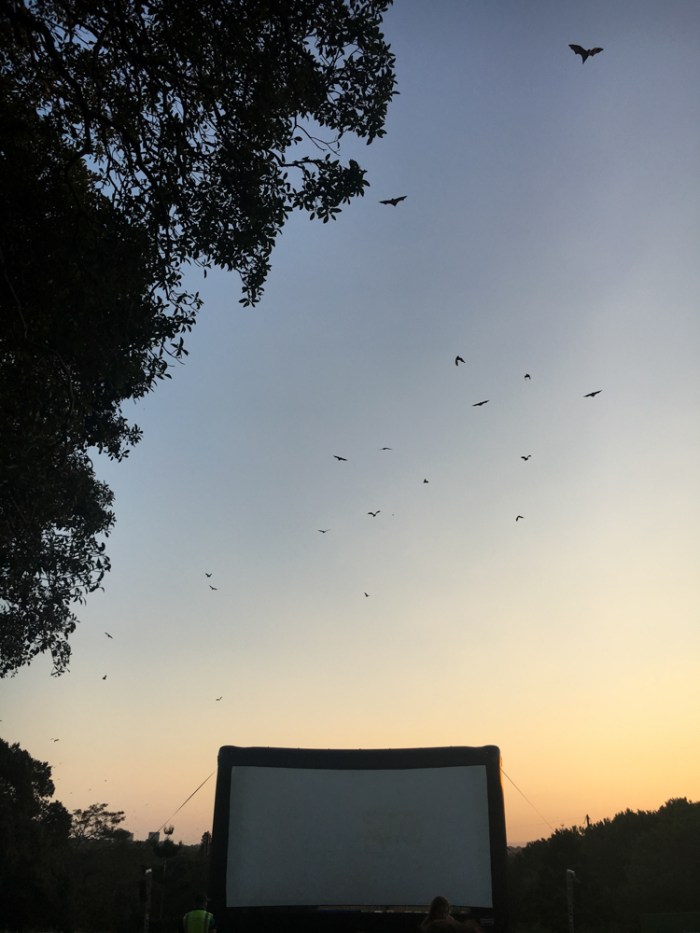
…and below LARGE circling bats. The grey-headed flying fox is a species of megabat with the wingspan of up to 3.5 feet.
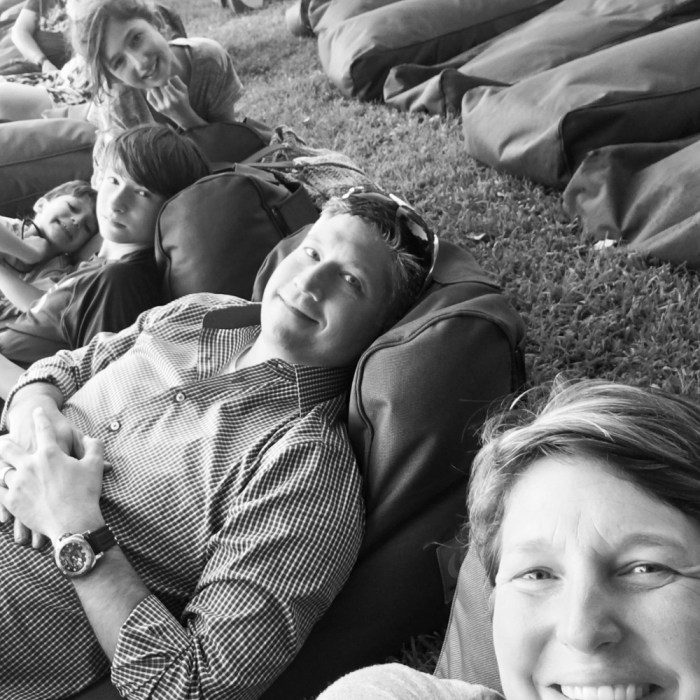
Best viewing of Back to the Future EVER.
We packed our bags and took a small prop plane 2 hours east into the South Pacific Ocean to Australia’s Paradise: Lord Howe Island. The irregularly crescent-shaped island has a population of just 350 and only allows 400 tourists onto the island at any one time.
Highlighting the uniqueness of Australia’s plants and animals that have evolved on a geographically isolated island, Lord Howe is a UNESCO World Heritage property with its significant biodiversity and preserved ecosystem. With strict regulations for development and limited tourism, 75 percent of the island’s original vegetation remains intact and undisturbed.
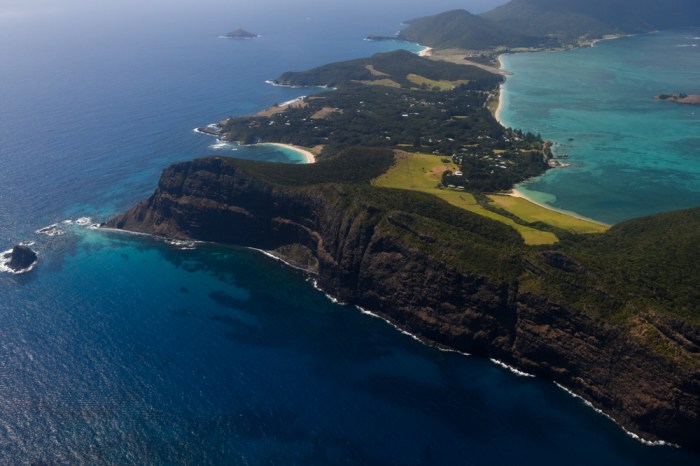
This paradise island is also home to the world’s southern-most coral reef ecosystem. The perfect location to become PADI certified:
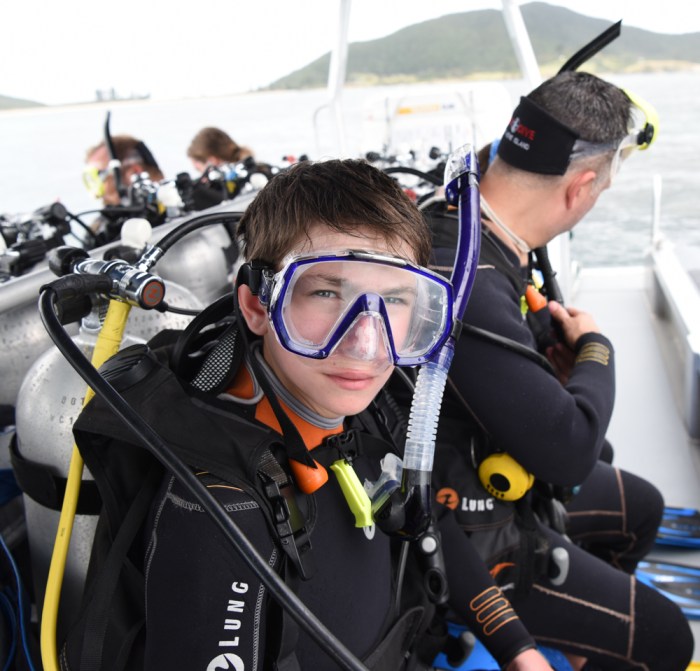
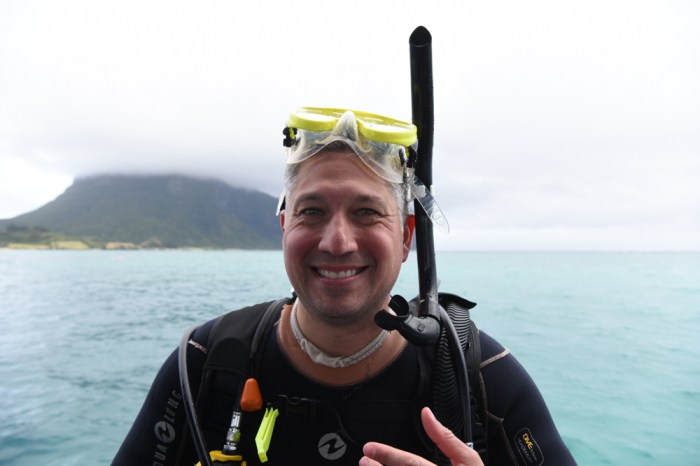
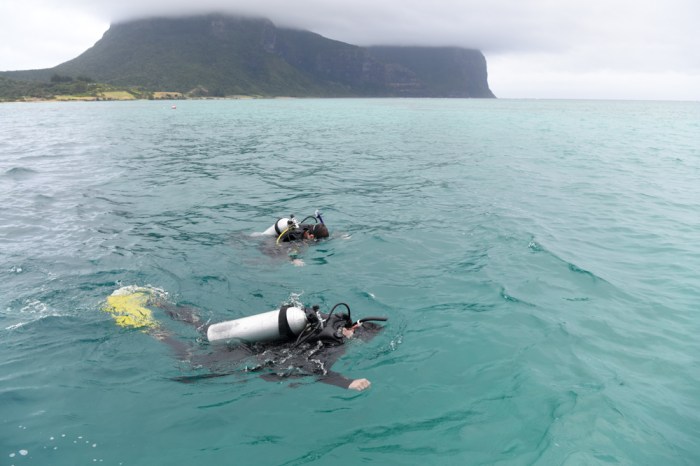
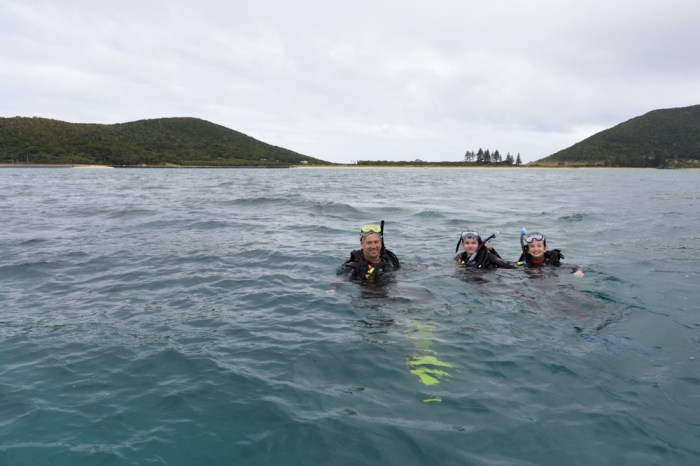
Stepping back in time, the lack of cell phone and internet coverage, no air conditioning, and a family-instated rule of zero electronics reminded me of simpler summers spent at my grandparents’ home; With sheared blinds blowing in the wind and ceiling fans providing a constant hum. We played hours upon hours of go fish with “bicycle” (cards), hide and seek with glow sticks, marveled at the amount of stars in a non-light-polluted night sky, and walked in search for unique plants and wildlife.

40% of the insects and 60% of the plants on Lord Howe Island are endemic and are not found anywhere else in the world.
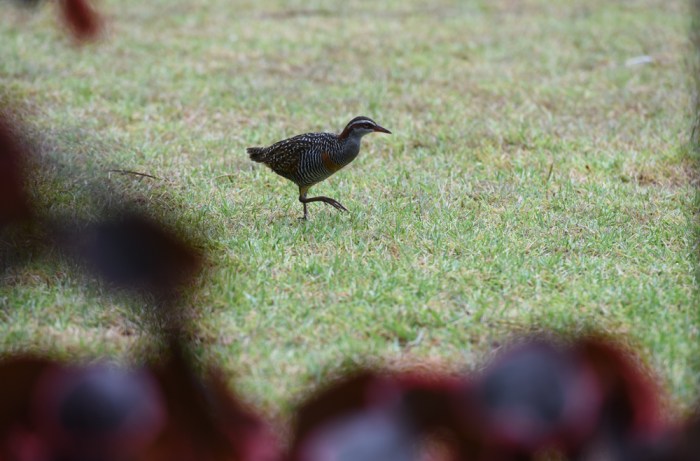
The Endemic woodhen.
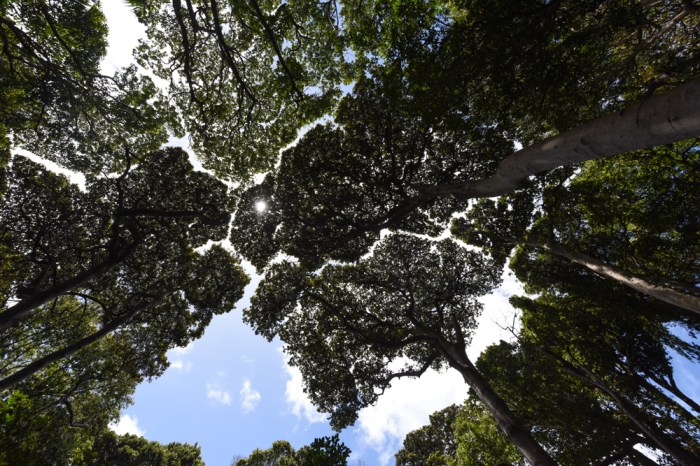
With it’s self-manicured and continent-like canopy, Lord Howe Giant Banyan Trees tower overhead to provide ample cover for the rich and diverse ecosystem below. Endemic to the island, these expansive fig trees can grow up to 65 feet tall and canvas up to 5 acres.
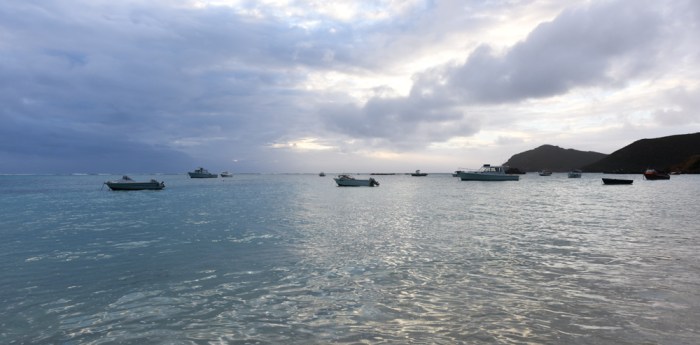
Above all, we marveled at the pristine beauty of the island; enjoying the peaceful rainfalls, rolling clouds, and unmatched sunsets.
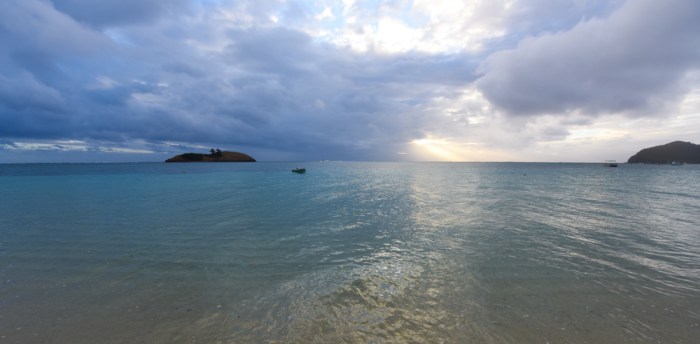
Lagoon Beach
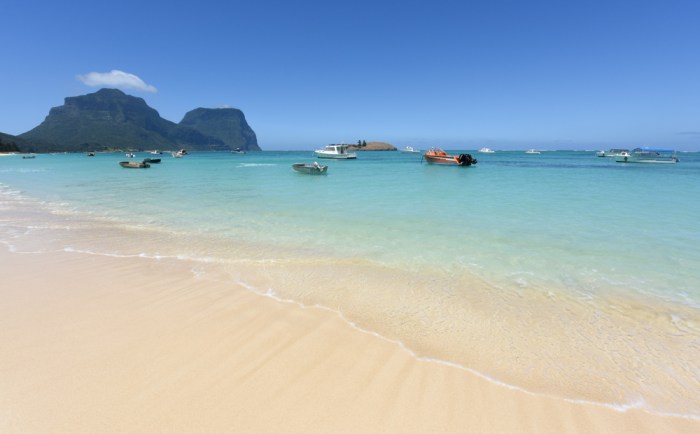
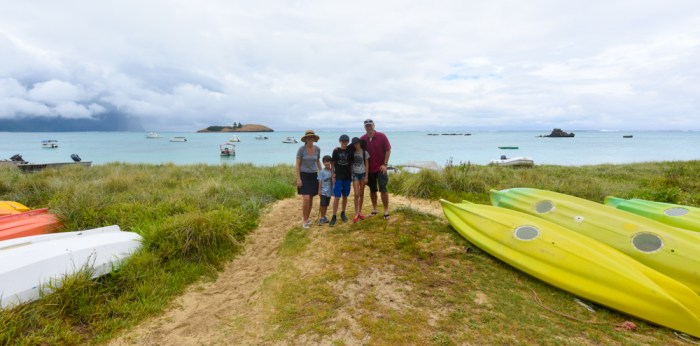
86% of the plant species located in the Gnarled Mossy Cloud Forest atop Mt.Gower (top left) are endemic to LHI and 17% are endemic to the cloud forest itself. Climbing the difficult terrain to this forest is now on my bucket list.
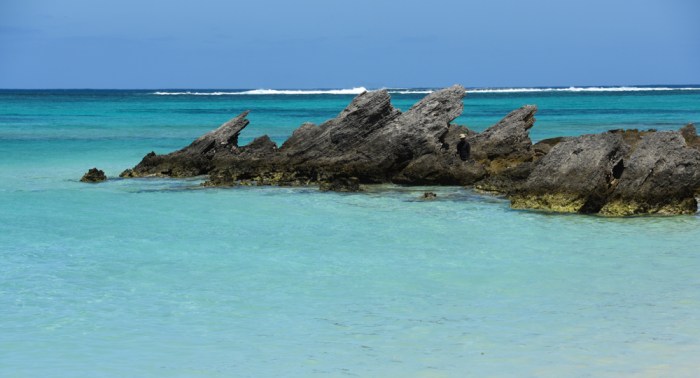
We also savored the pure waters along every coastal beach:
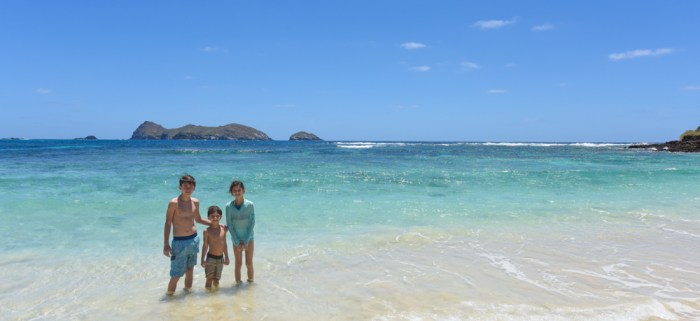
We had Ned’s Beach to ourselves.
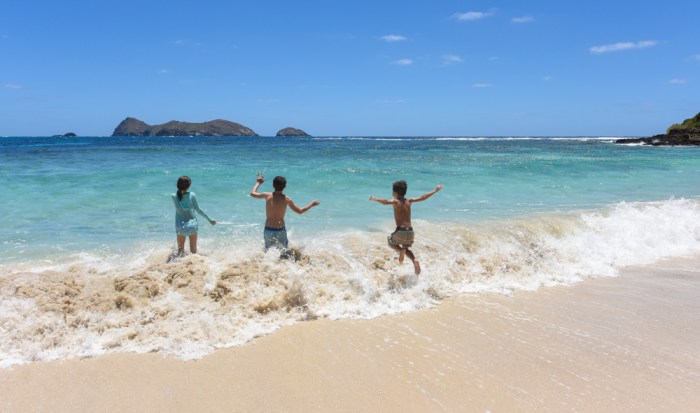
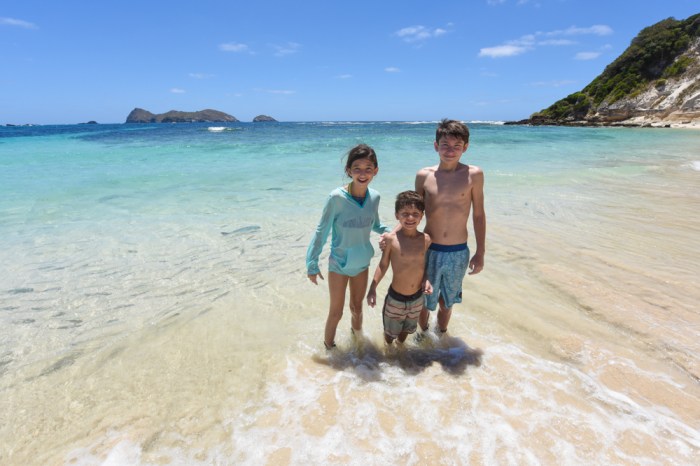
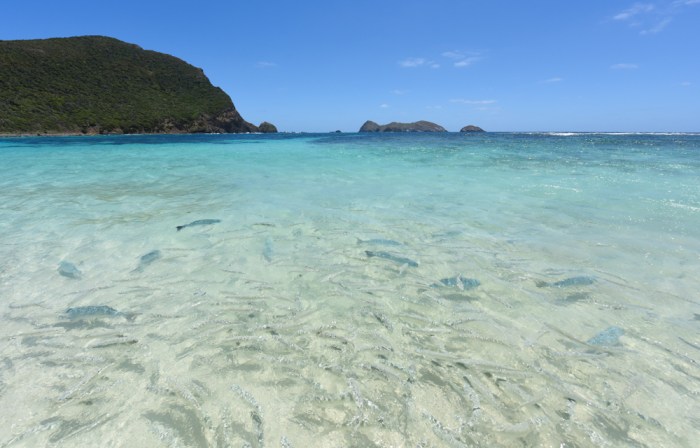
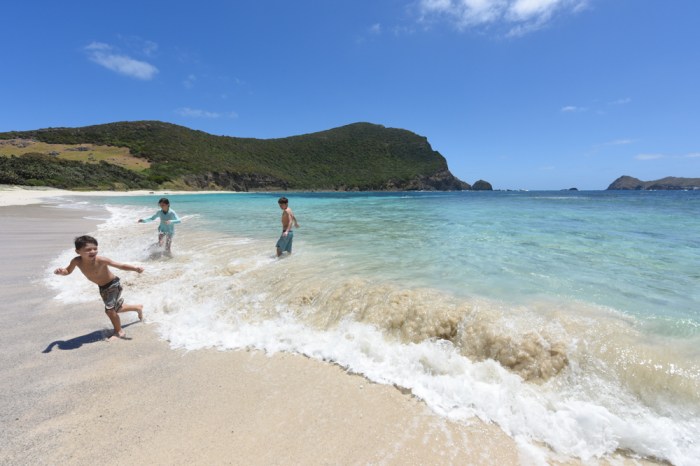
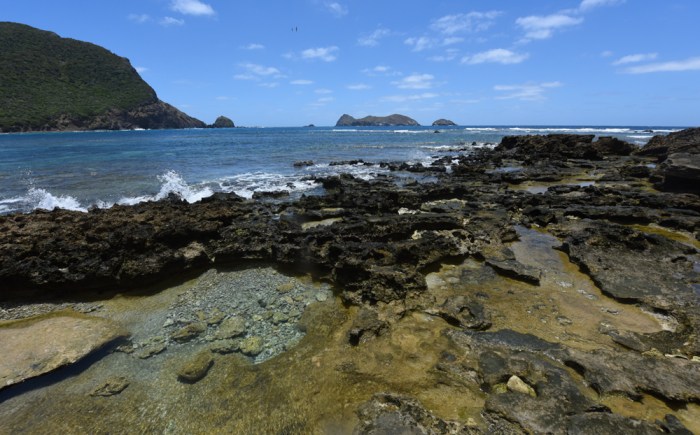
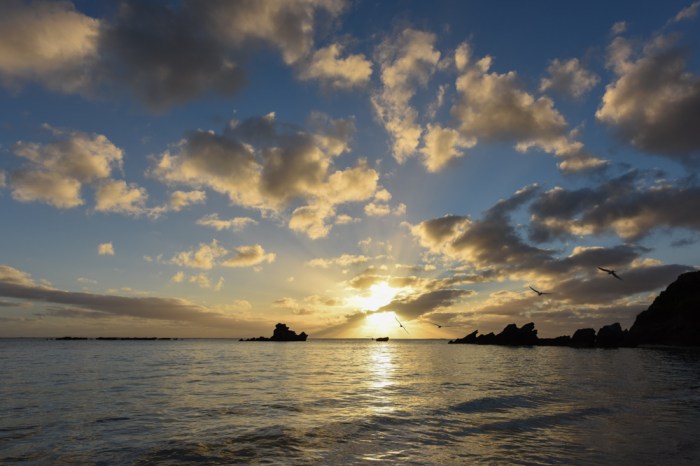
Lagoon Beach sunset with Jack.
After swimming with sharks and sea turtles among the coral reefs of Lord Howe, we made our way back to mainland to explore Victoria’s capital, Melbourne. Along the southern tip of Australia, the region is home to abundant wildlife:
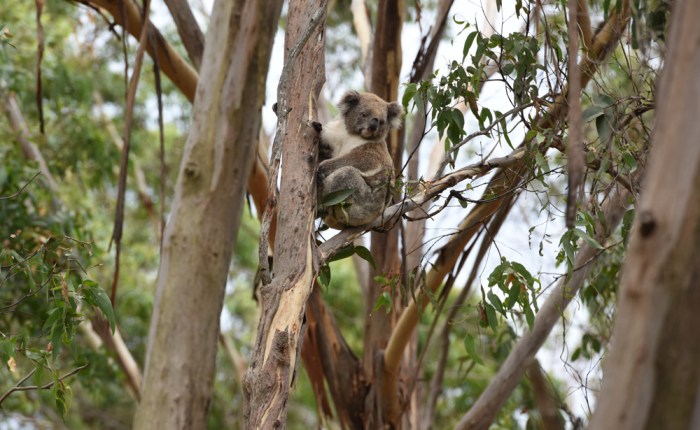
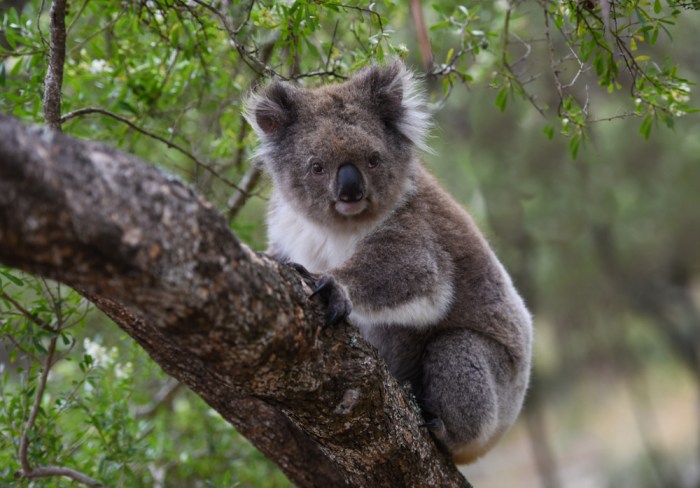
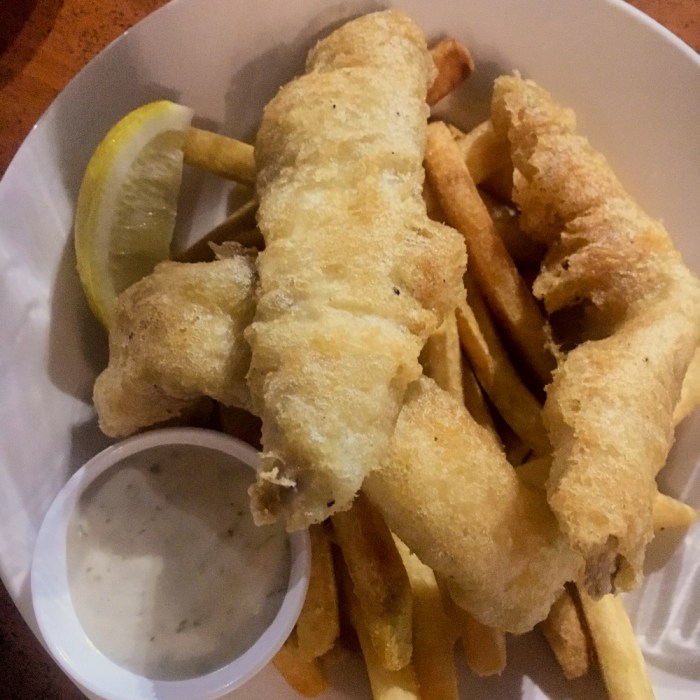
The freshest fish and chips:
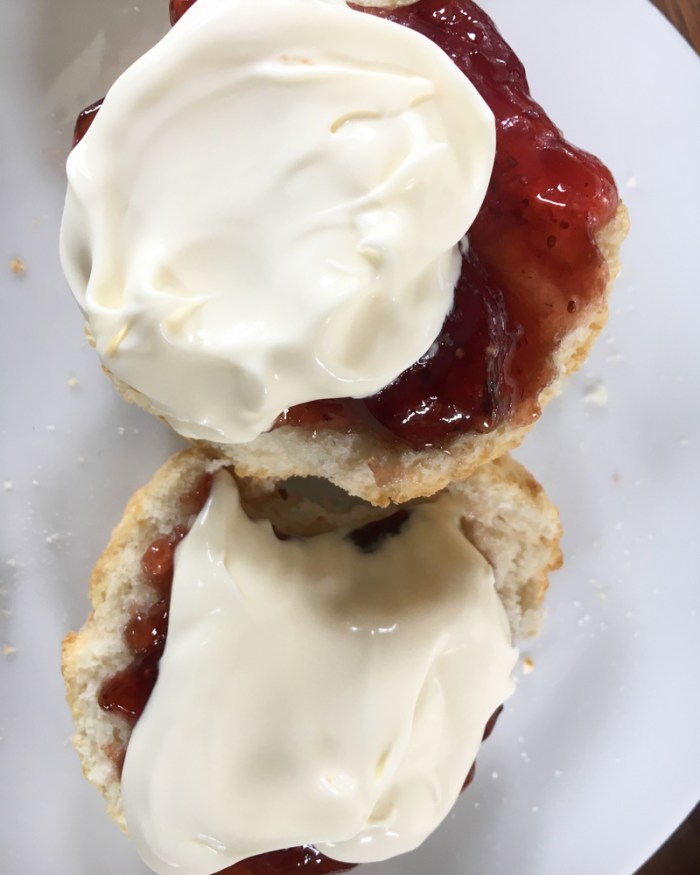
Delicious British scones with jam:
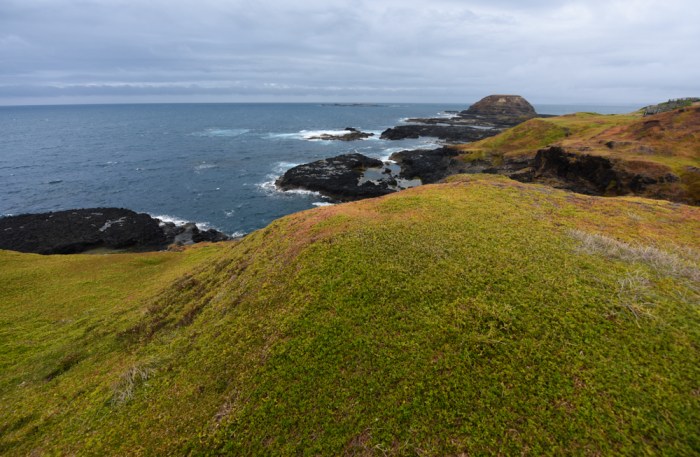
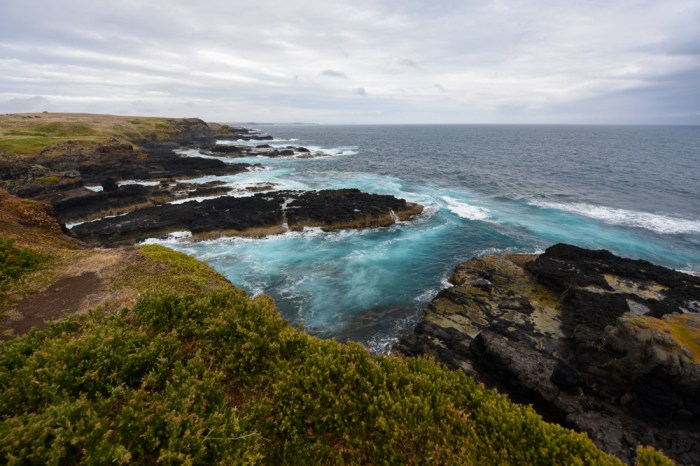
Impressive coastline:
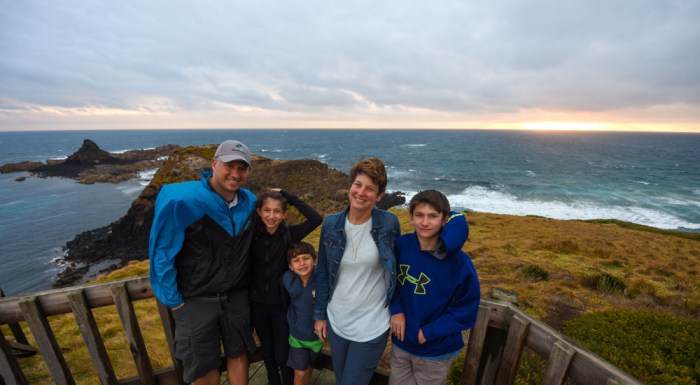
Known as Seabird Gardens, the carpeted bluffs of the Nobbies on Australia’s Phillip Island overlook the deep waters of Bass Straight. Consisting of Bower Spinach, Noon Flower, and Poa Tussock, this colorful vegetation provides an essential habitat and resource for local wildlife. Indigenous to the region, the edible leaves of the creeper, Bower Spinach, proved to be an important food source by both the Aboriginals and Europeans as a deterrent to scurvy.
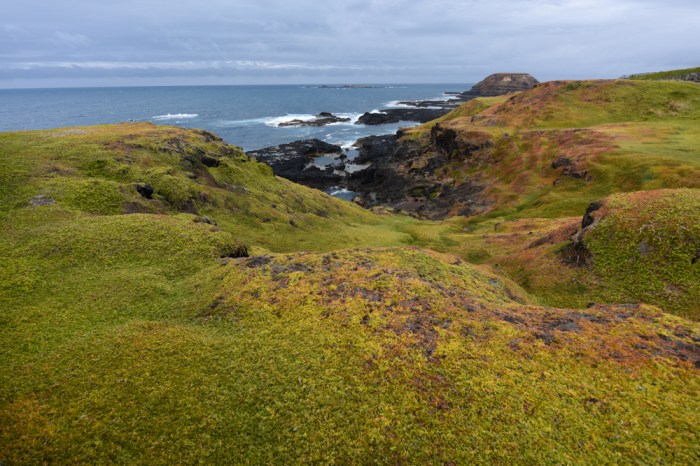
The Nobbies on Phillip’s Island are home to Australian fur seals and the largest colony of Little Penguins which parade onto shore every sunset.
And Luna Park:
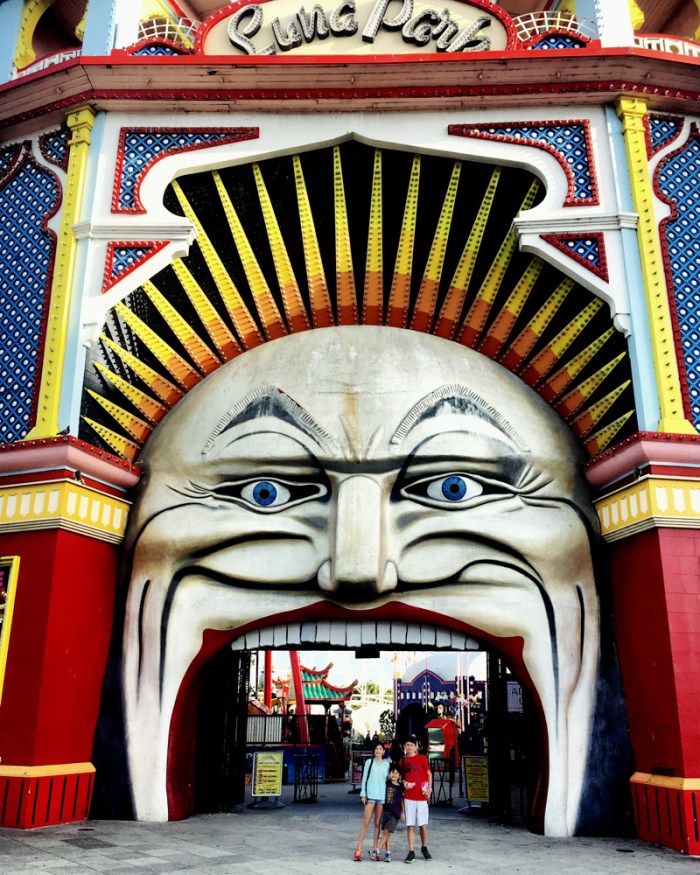
Built in 1912, 9 years after the Luna Park in Coney Island, this amusement park is home to the Great Scenic Railway; the only operational rollercoaster from this period and the only remaining example of the brakeman operated carriage.
Our final destination took us to Australia’s opposite coast. The tropical, far-north Queensland town of Port Douglas offered plenty of rainfall as we visited its biodiverse rainforest and an abundance of marine life in the world’s largest reef ecosystem:
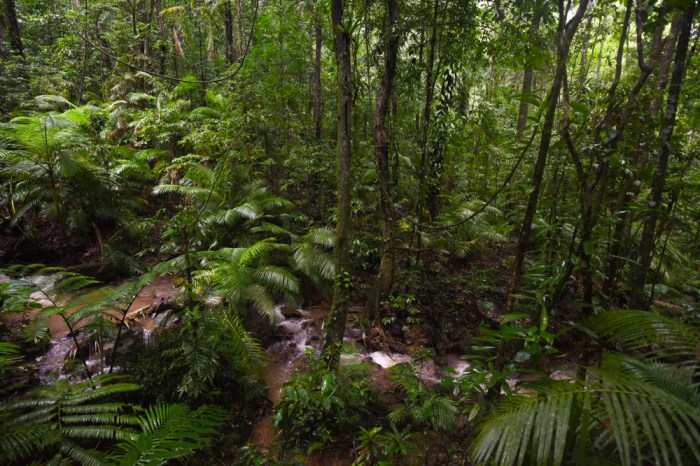
Over 135 million years old and home to the earth’s most diverse range of plants and animals, the Daintree Rainforest is the oldest surviving rainforest in the world.
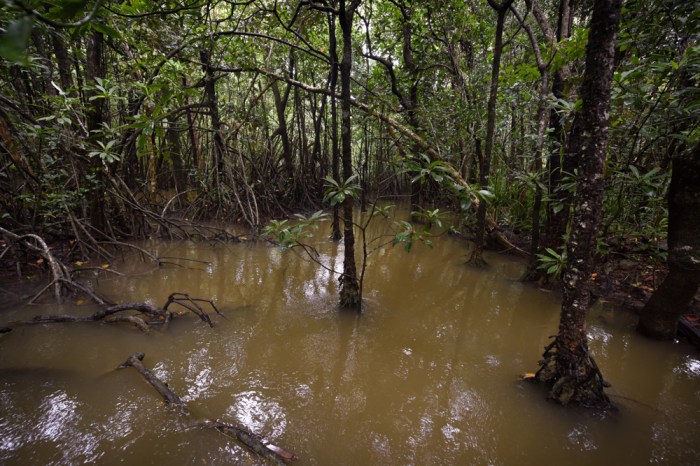
Along the mangrove-lined Daintree River, we searched for (and kept a watchful eye out for) crocodiles…
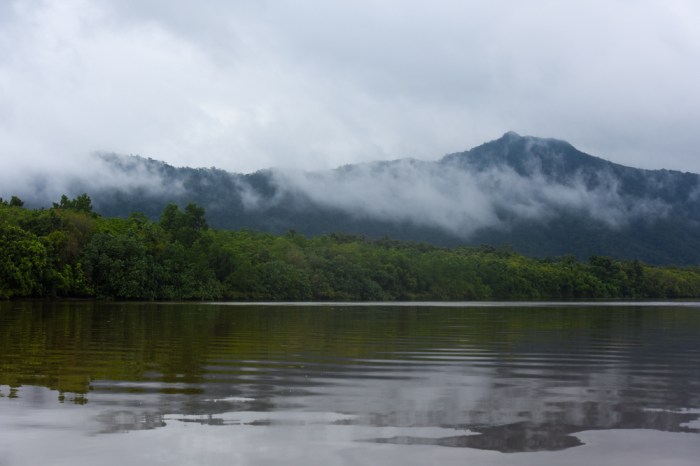
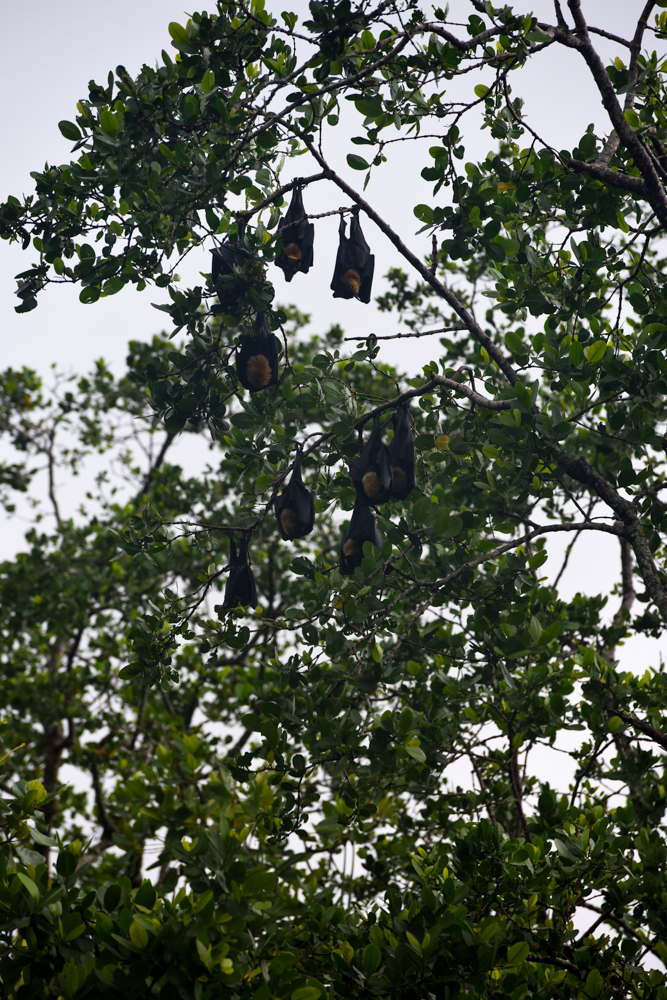
and spied sleeping grey-headed flying foxes.
As we entered the wet rainforest, we were surrounded in lush greenery and our senses were filled with the sounds of birds calling, rainfall hitting the canopy above, and rushing water escaping the hills…

Amongst it’s mangrove forests, we spotted mud crabs…
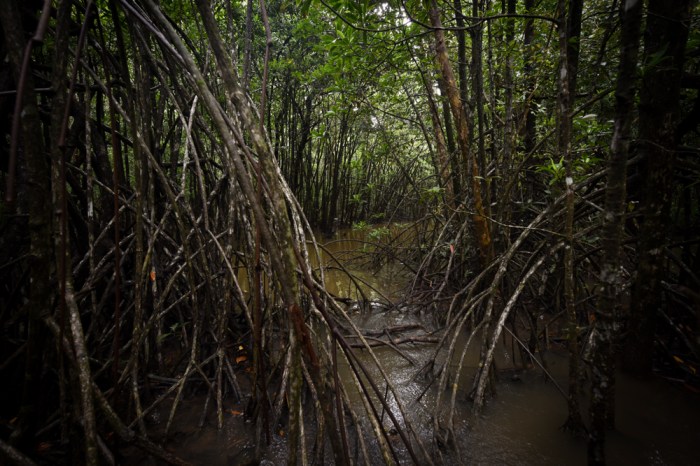
Along the Dubuji path, we searched for the elusive cassowary and dodged feral pigs…

walked under spectacular canopies of fan palms…
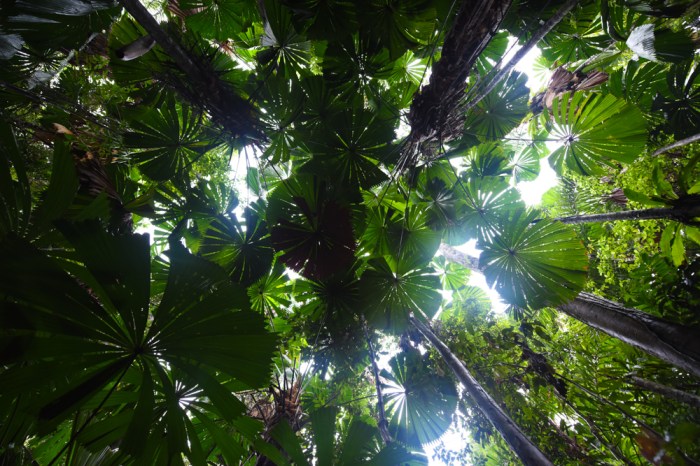
kept our distance from the GIANT Golden Orb Weaving Spiders…
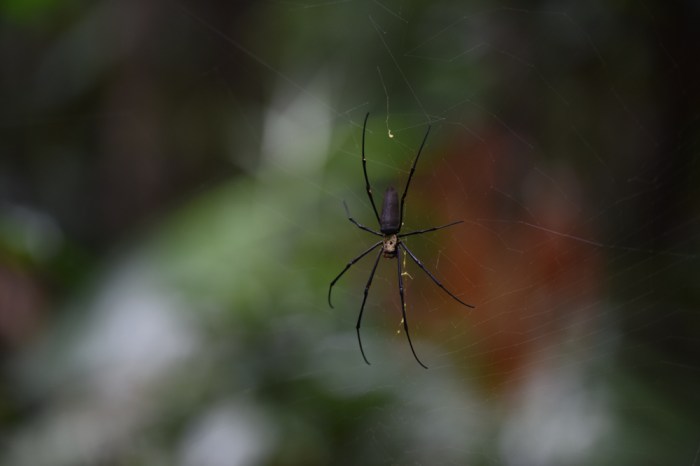
With it’s abdomen growing up to 1.5 inches in size, a female Golden Orb Weaving Spider will remain in her large, well-shaped web day and night waiting for prey to fall victim to her strong, golden silk. She dwarfs the tiny 5mm males which await on the perimeter of her domain. Suspended in openings between trees and shrubs, these spiders live on large insects along with small birds and bats that become caught in its intricate orb web.
and discovered where the rainforest meets the Great Barrier Reef…
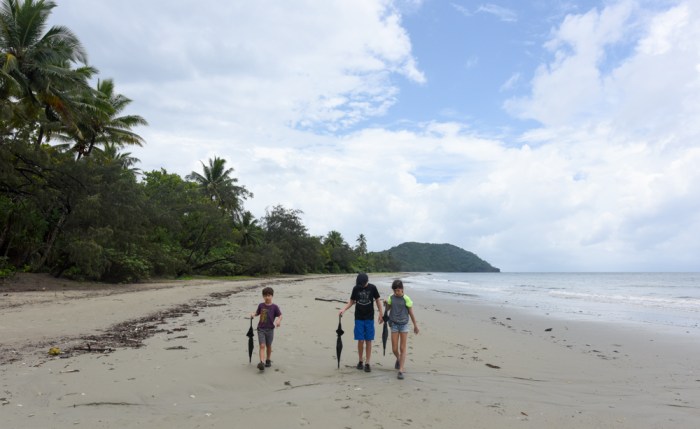
Cape Tribulation
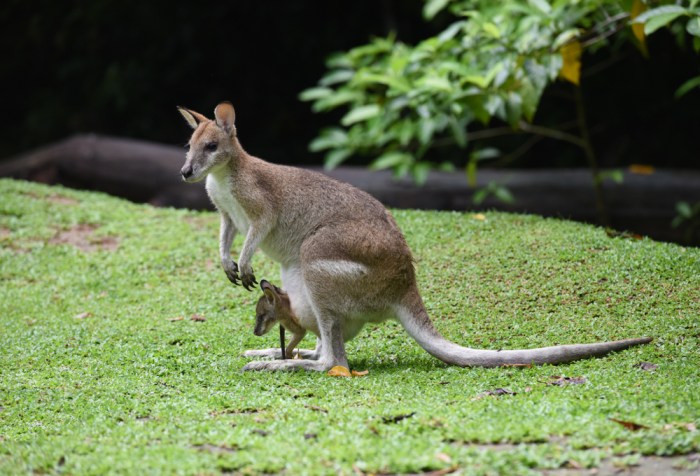
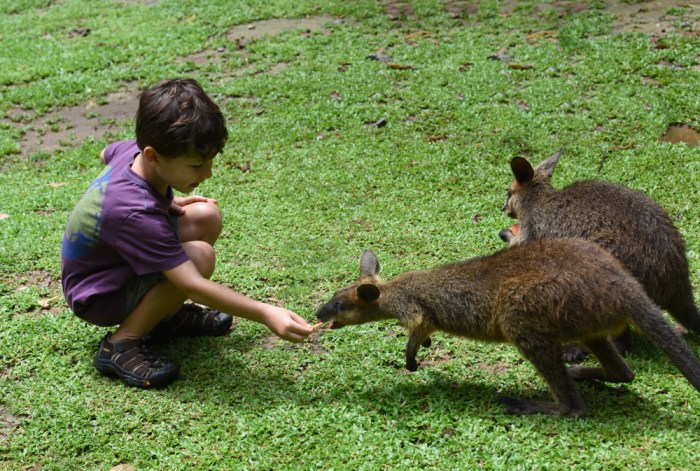
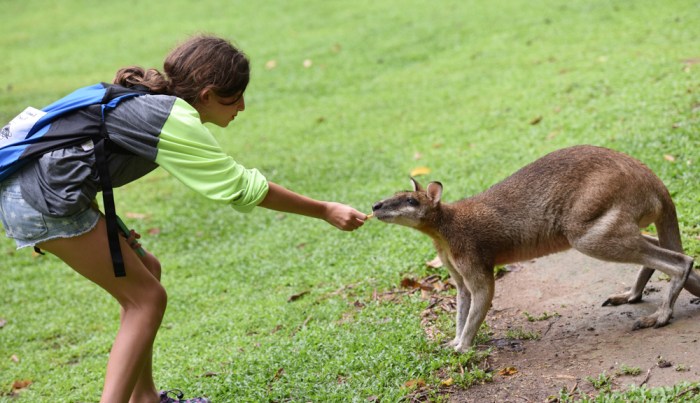
At lunch we were graced by the electric blue wings of the Ulysses Butterfly and fed a few hungry wallabies…
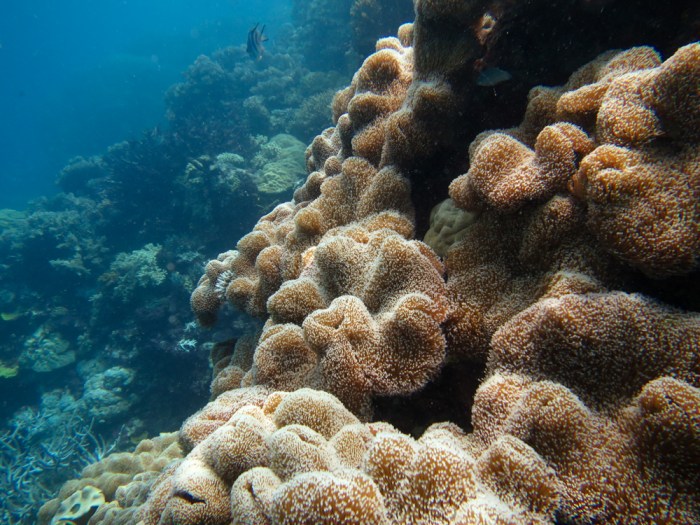
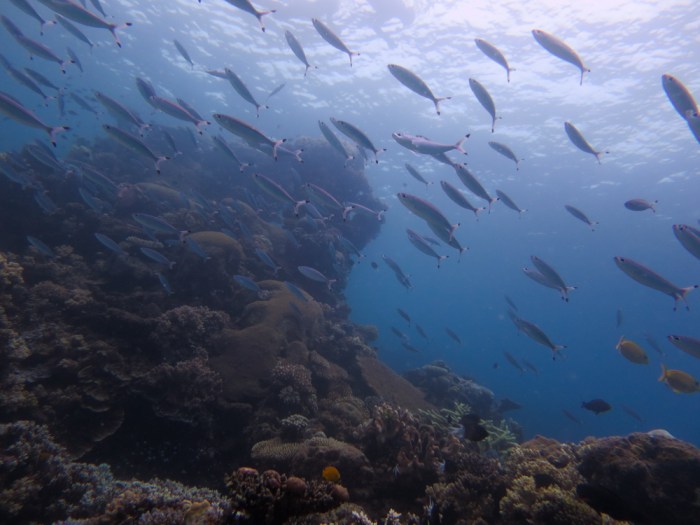
Our final day in Australia was spent sailing out into the Coral Sea to explore the Great Barrier Reef. One of the seven wonders of the world, it’s larger than the Great Wall of China and is the largest living thing on earth; An 1800 mile-long ecosystem including over 3000 reef systems, 100 islands, and 1500 species of tropical fish. Here we snorkeled and dove amongst graceful green sea turtles, 4 ft reef sharks, 100 year old giant clams, and endless miles of swaying coral reef.


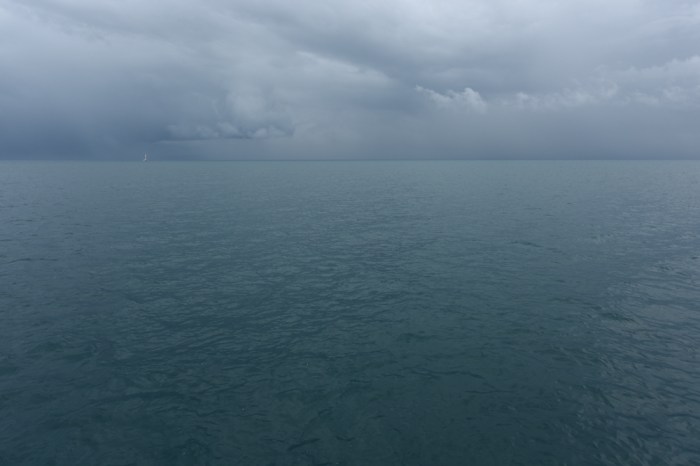
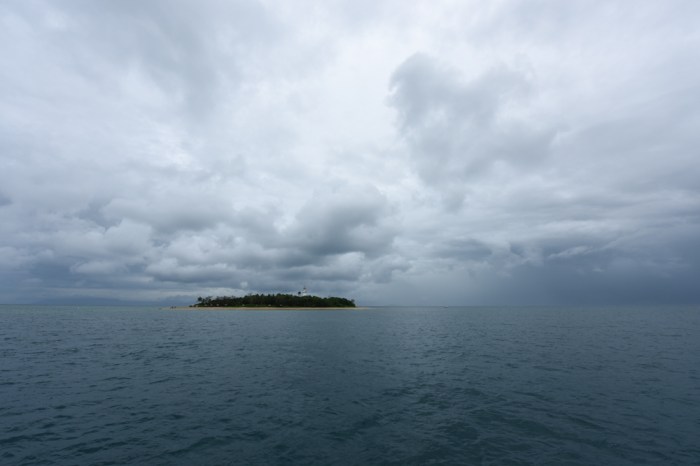
The Low Isles : Our haven for the day

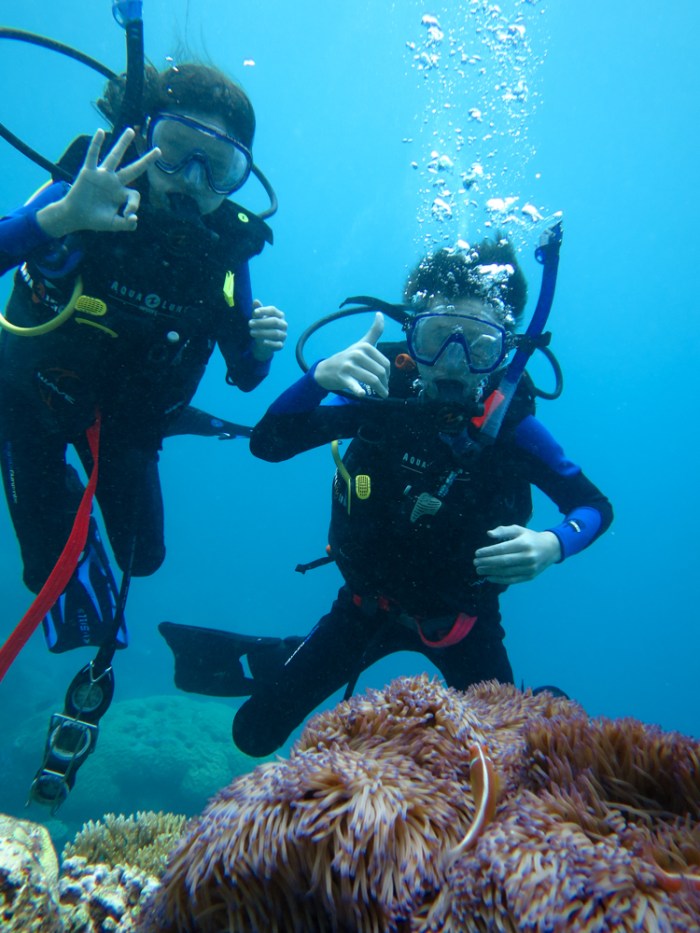
Kate, John, and Jack diving within the Great Barrier Reef.

Although the water was bath-like, it was essential to wear a protective stinger suit due to the seasonal mass influx of box jellyfish whose tentacles are transparent but painful and deadly.
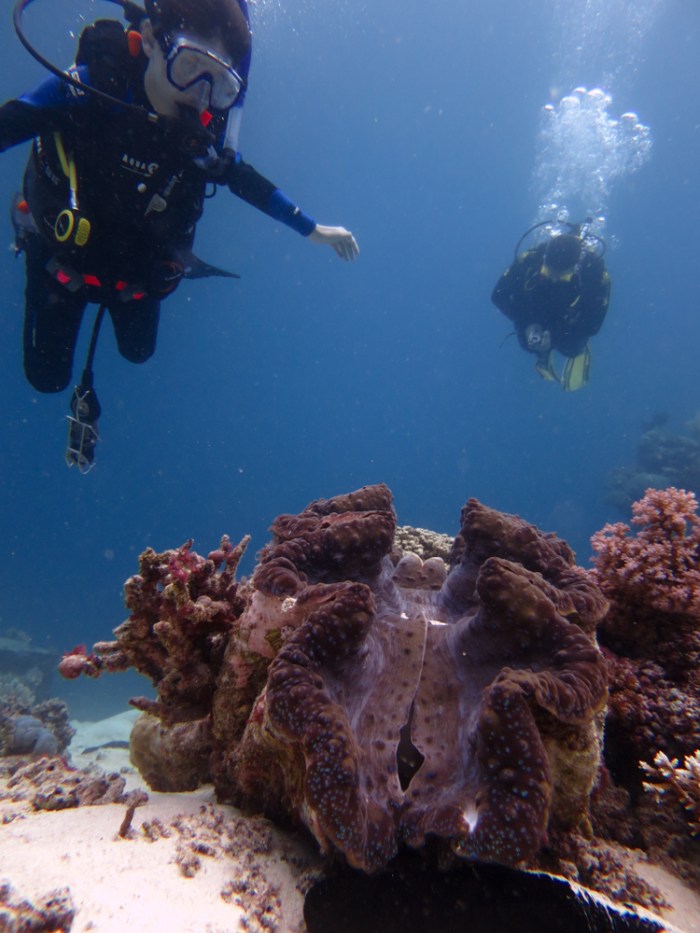
Jack and a 100 year-old clam.
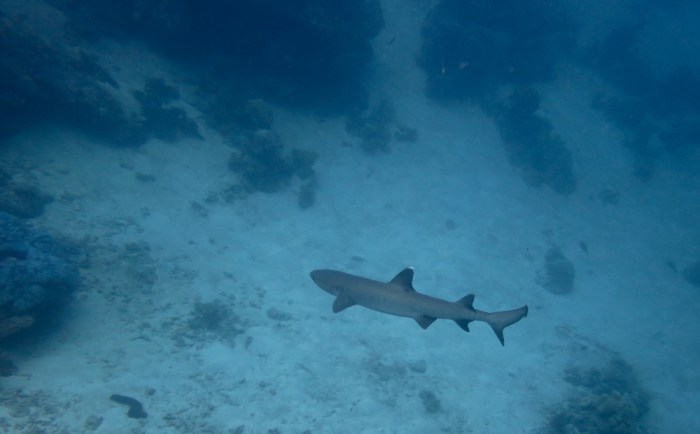
Whitetip Reef Shark
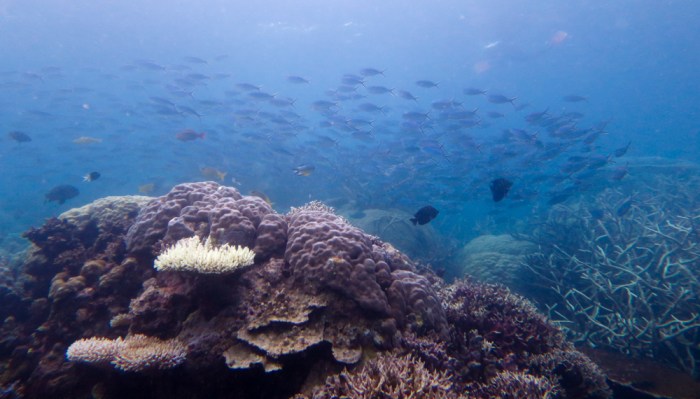
It’s impossible to adequately describe Australia’s unique beauty, but it’s truly unforgettable. We will return.
 ourshanghaidays
Awesome pictures. Wonderful trip!!! Love mom
Sent from my iPad